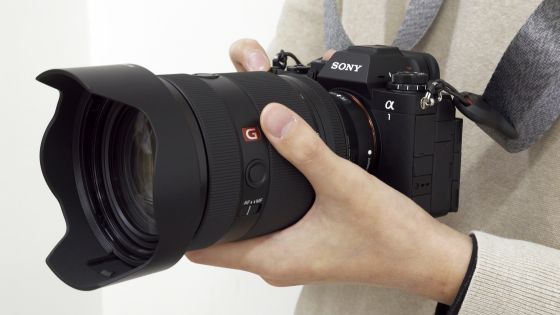
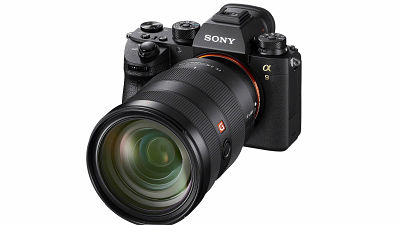
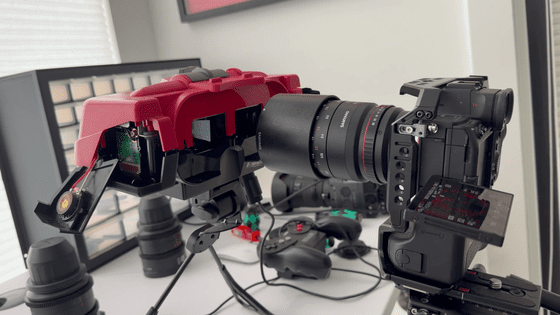
The mechanism of a camera shutter, which operates at an incredibly fast speed of a few thousandths of a second, can be easily understood by filming it in super slow motion.
SLR and mirrorless cameras allow for precise adjustment of shutter speed, and some cameras even support ultra-high-speed shooting at
Camera Shutters are Extremely Fast - The Slow Mo Guys - YouTube
First, we checked the shutter release action of Canon's SLR camera, the 'EOS 7D,' in super slow motion.
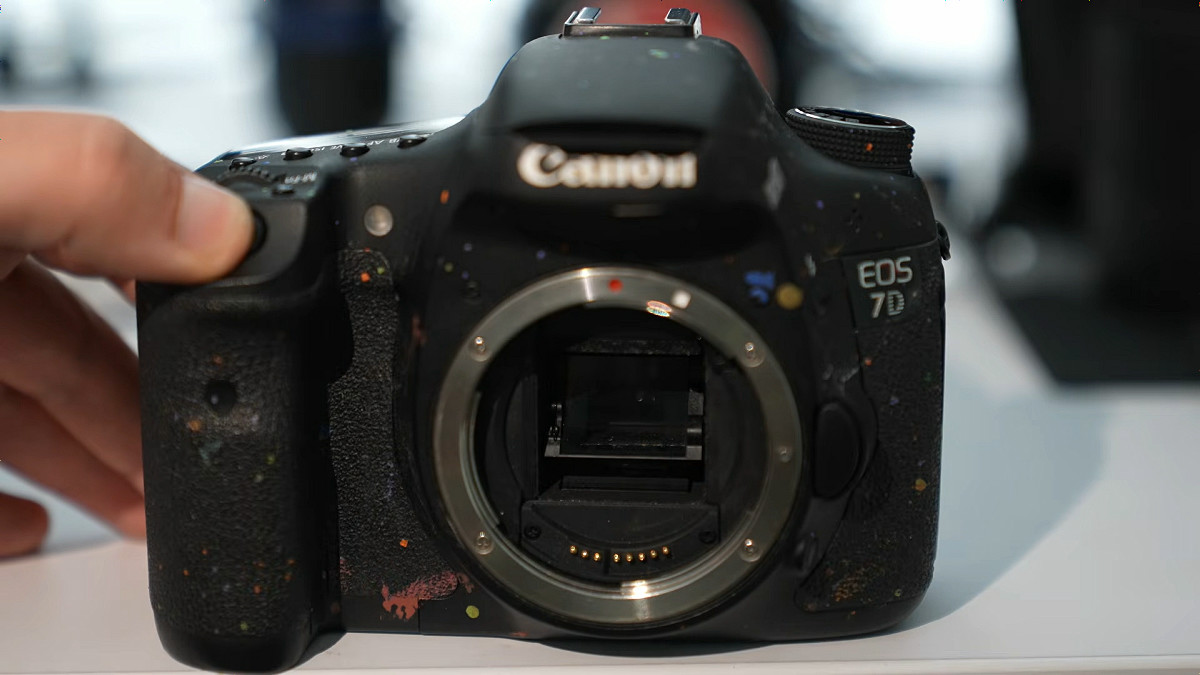
SLR and mirrorless cameras take pictures by 'transmitting light through the lens to the sensor.' In the case of an SLR camera, a mirror is placed between the lens and the sensor, and under normal circumstances, light passes through the mirror and pentaprism so that it can be seen through the viewfinder. When the shutter button is pressed, the mirror flips up and the shutter curtain operates.
The mirror remains in its original position the moment the shutter button is pressed.
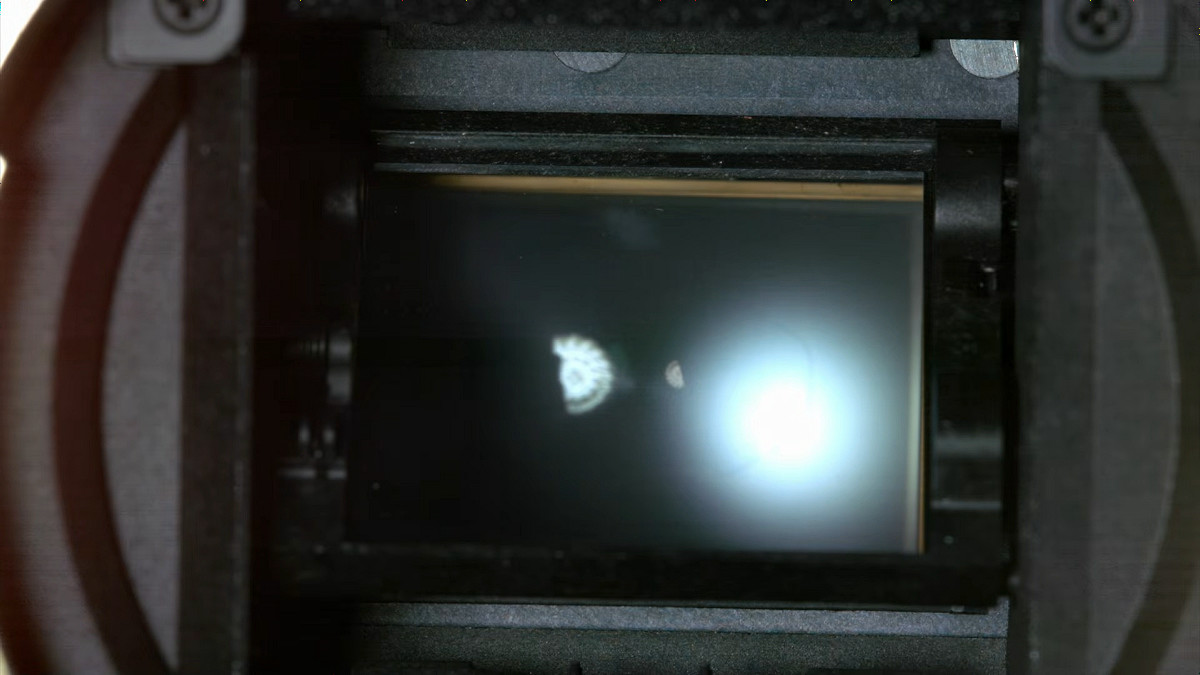
The mirror is in the process of flipping up.
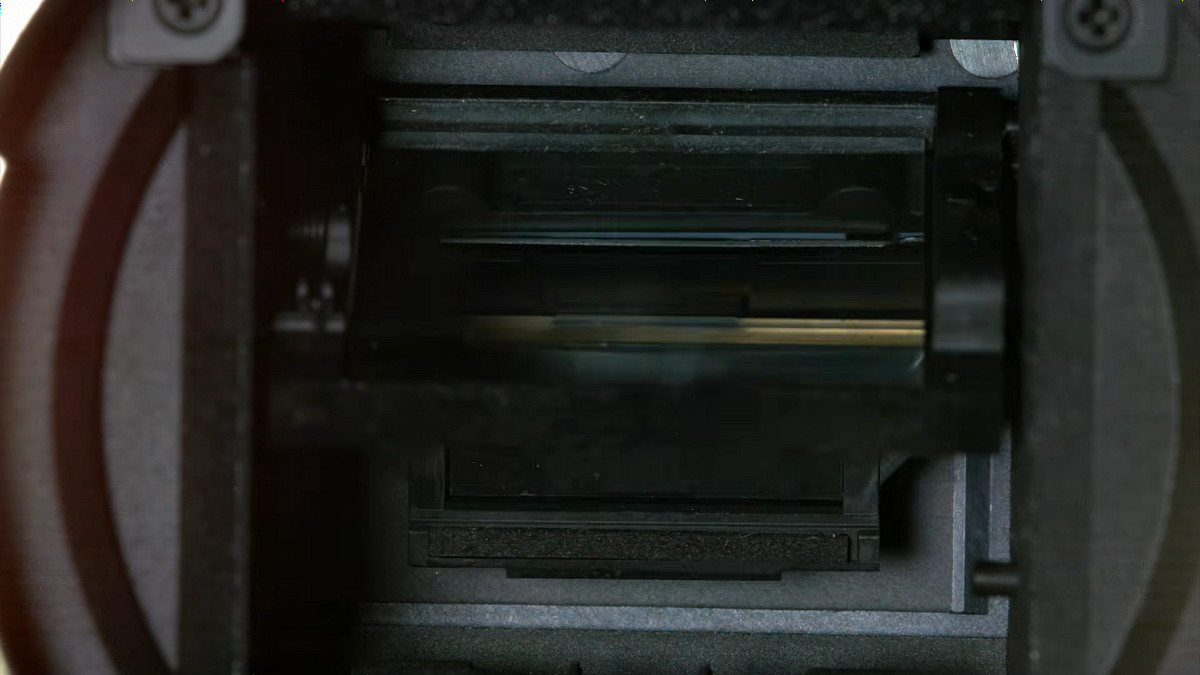
Once the mirror was fully raised, the shutter curtain appeared.

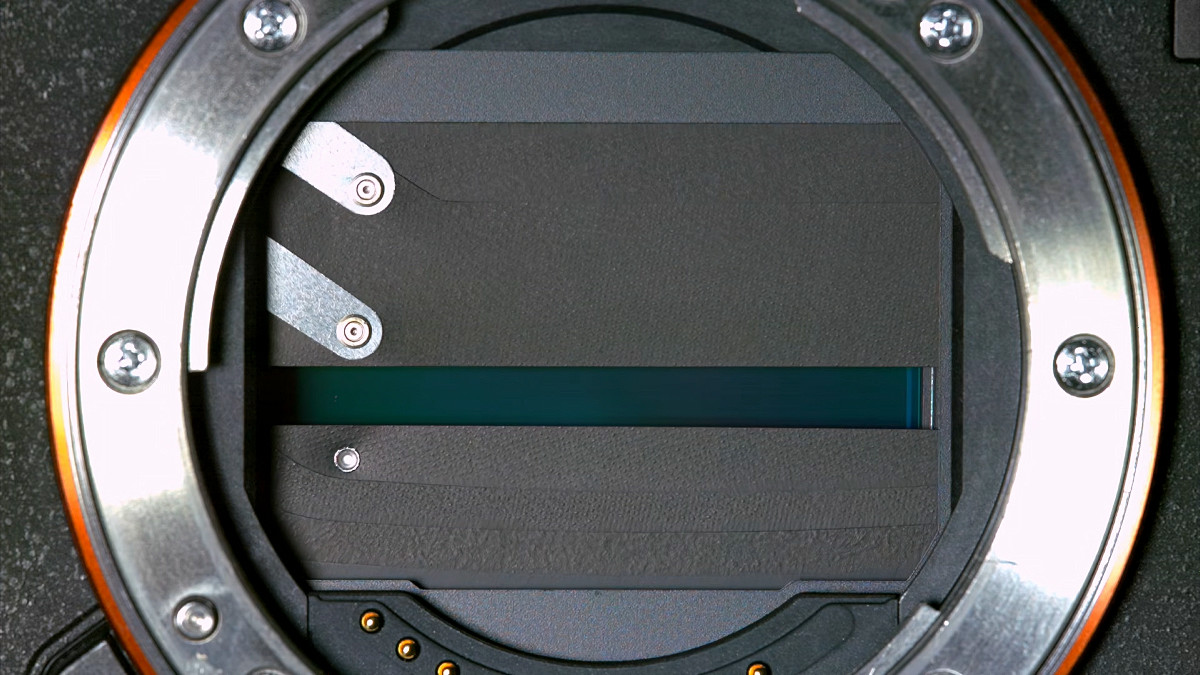
Then, the shutter curtain slides down. The shutter curtain consists of two parts, a 'front curtain' and a 'rear curtain,' and the second rear curtain is also coming down with a small gap between it and the front curtain.
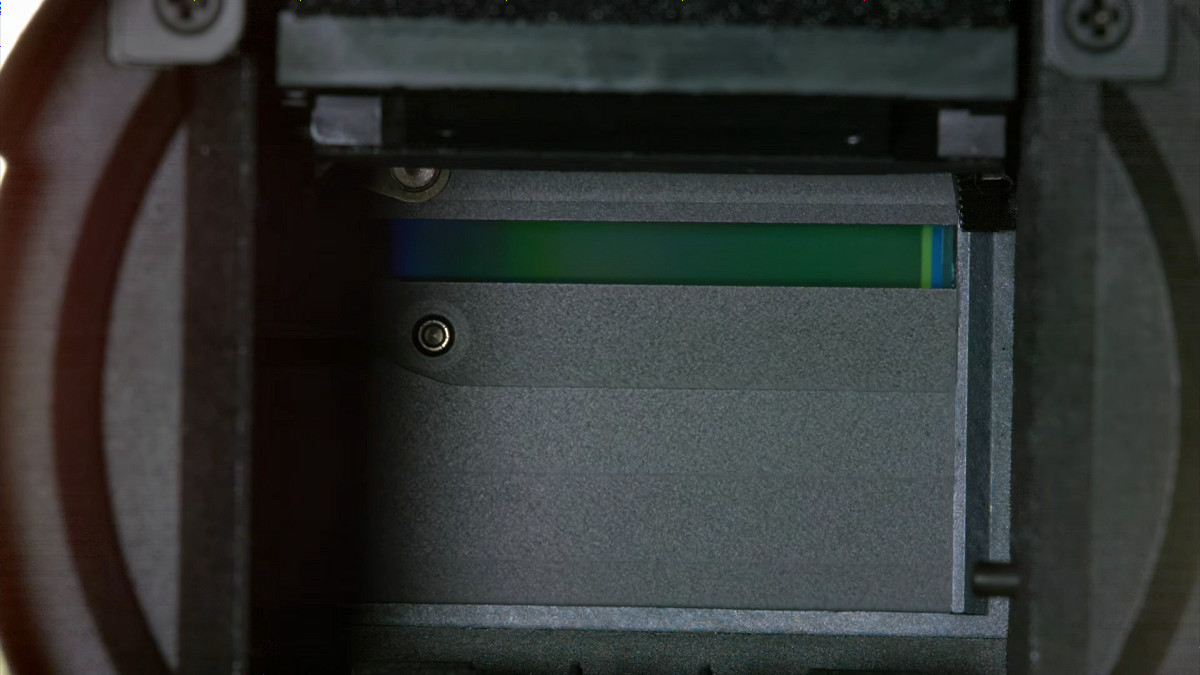
The gaps between the shutter curtains increase as you move downwards. Apparently, these subtle differences in gap size ensure that the same amount of light hits all the elements of the sensor.
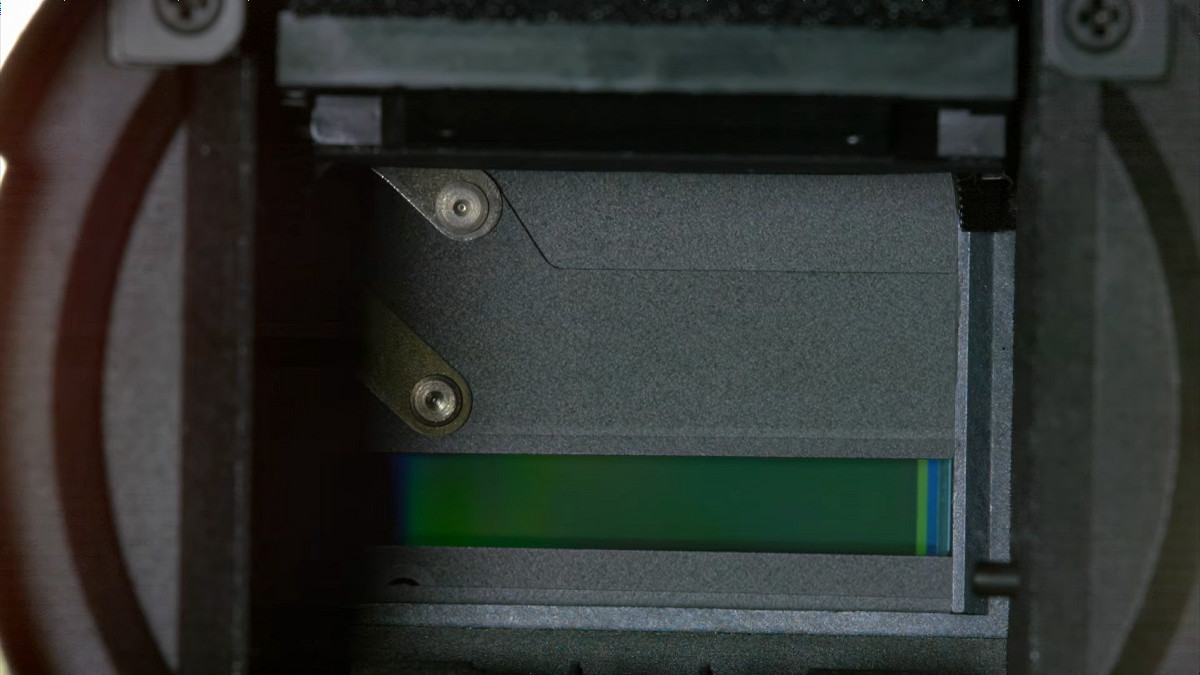
Once the shutter curtain has moved all the way down, the mirror will descend. This completes the process of taking one photograph.
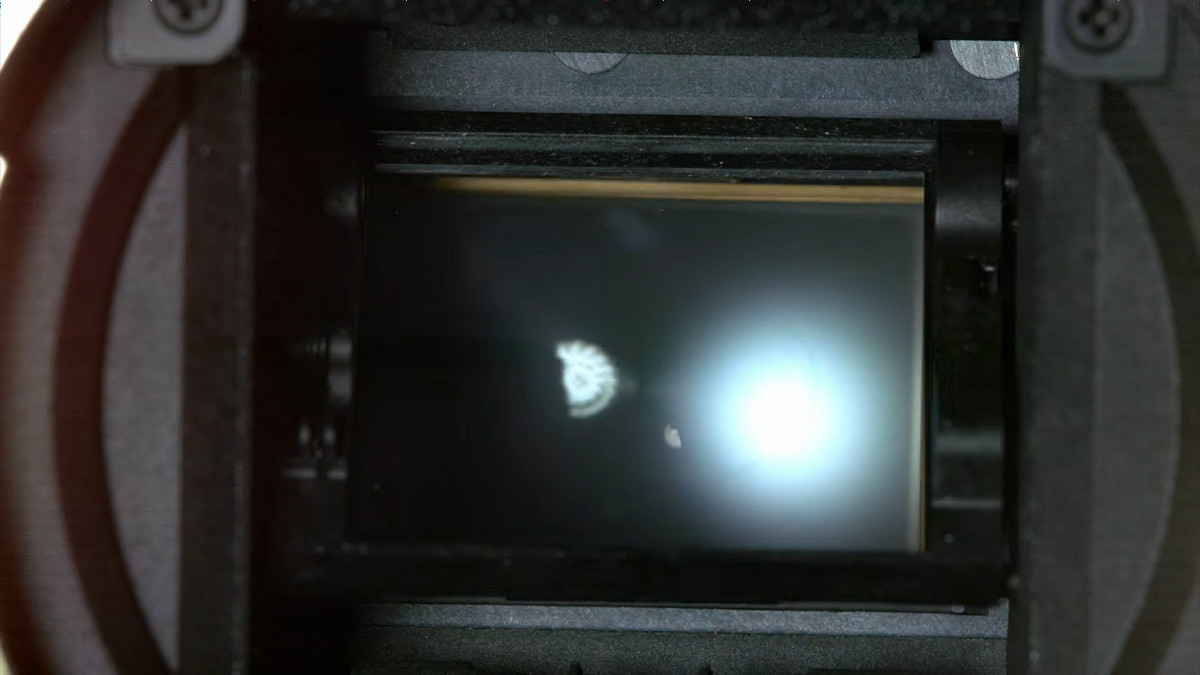
The coordination between the lens aperture mechanism (left) and the shutter mechanism (right) was also confirmed.
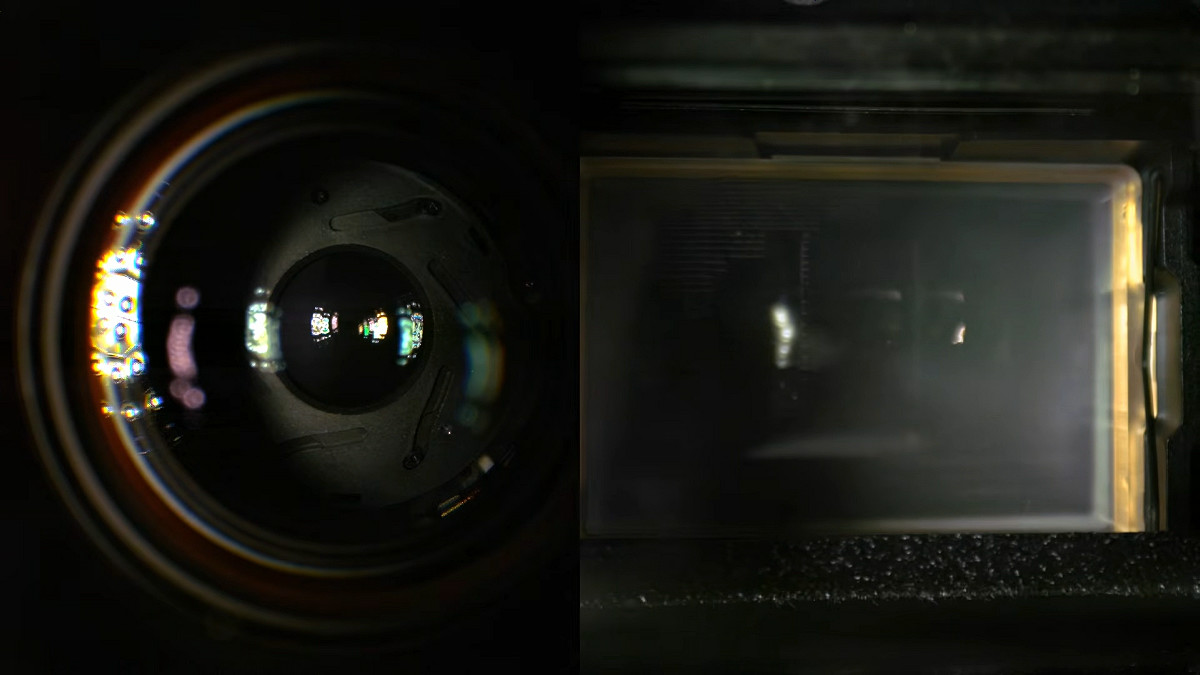
When you press the shutter button and the mirror flips up, the aperture hasn't moved yet.
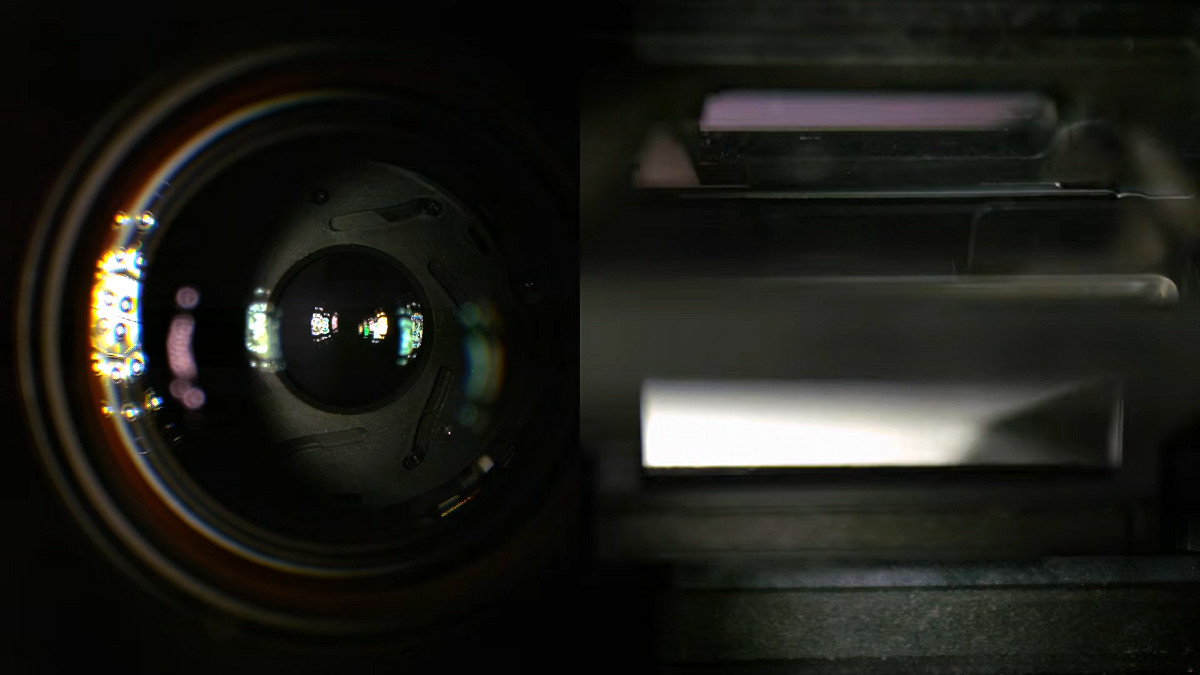
The aperture starts working the moment the shutter curtain appears.
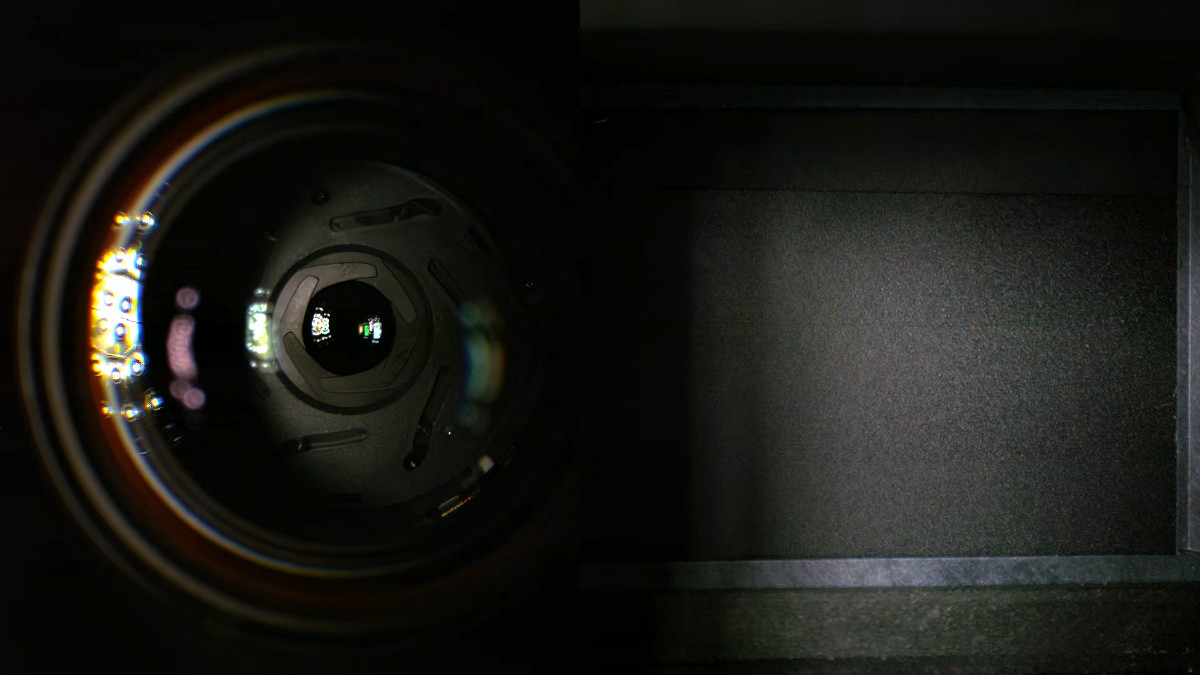
The aperture was narrowed down to F13 in an instant.
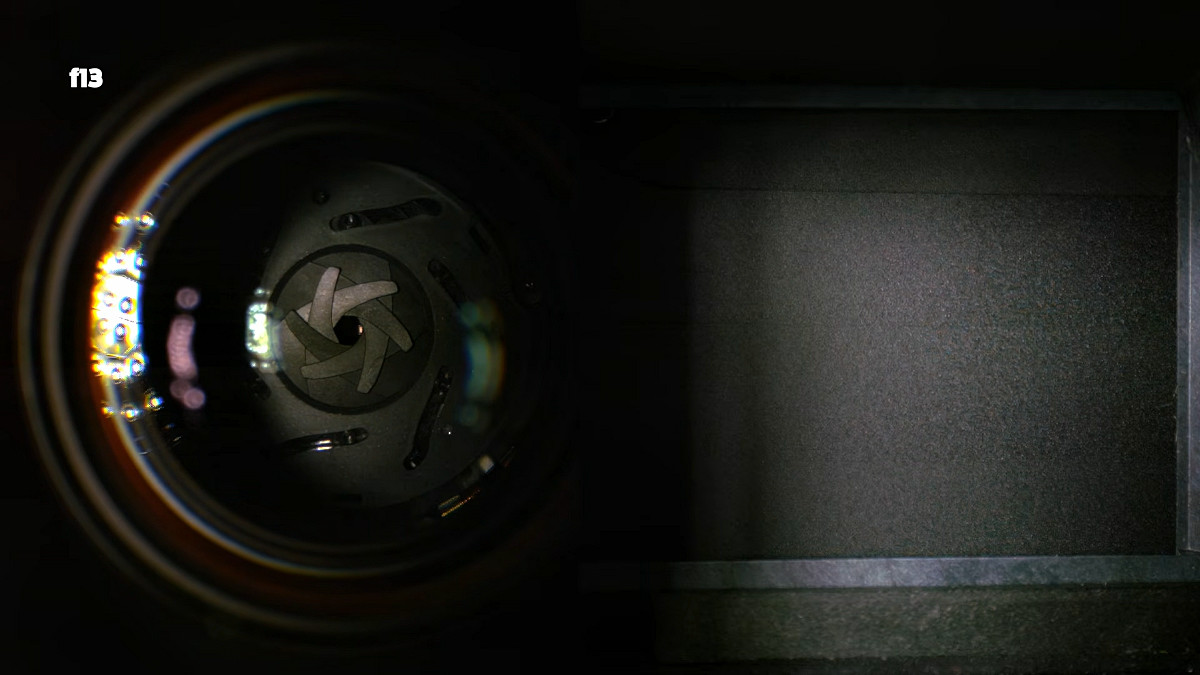
And then exposure.
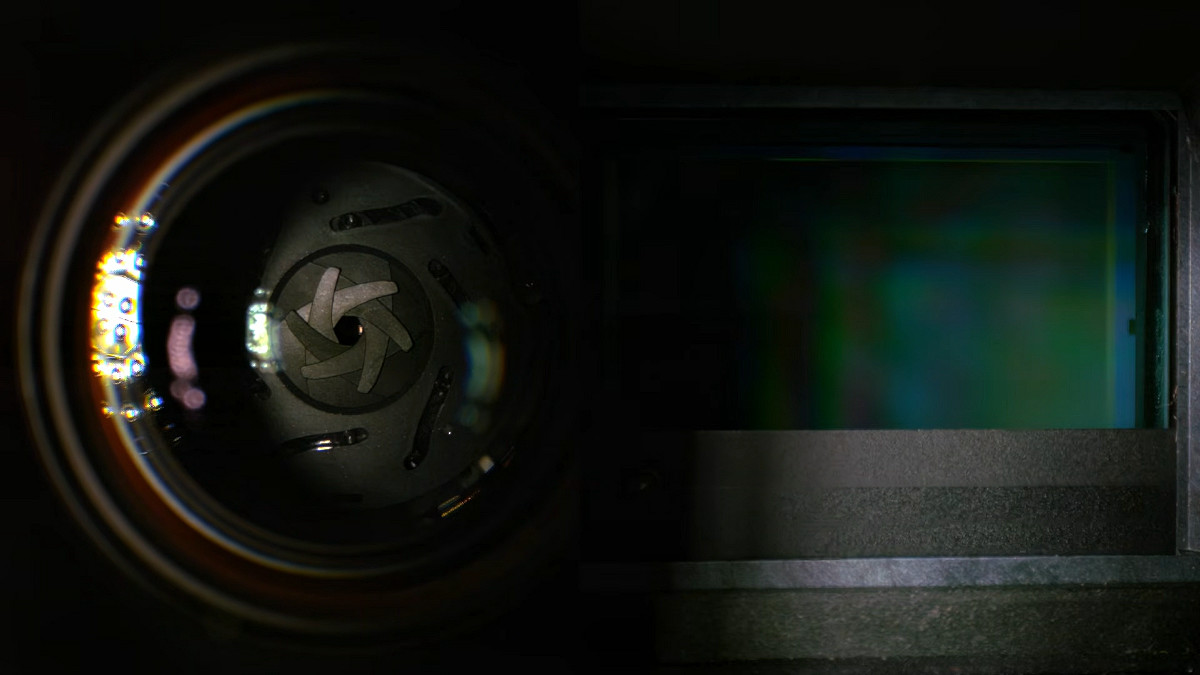
After exposure is complete, the aperture returns to its original position as the mirror descends.
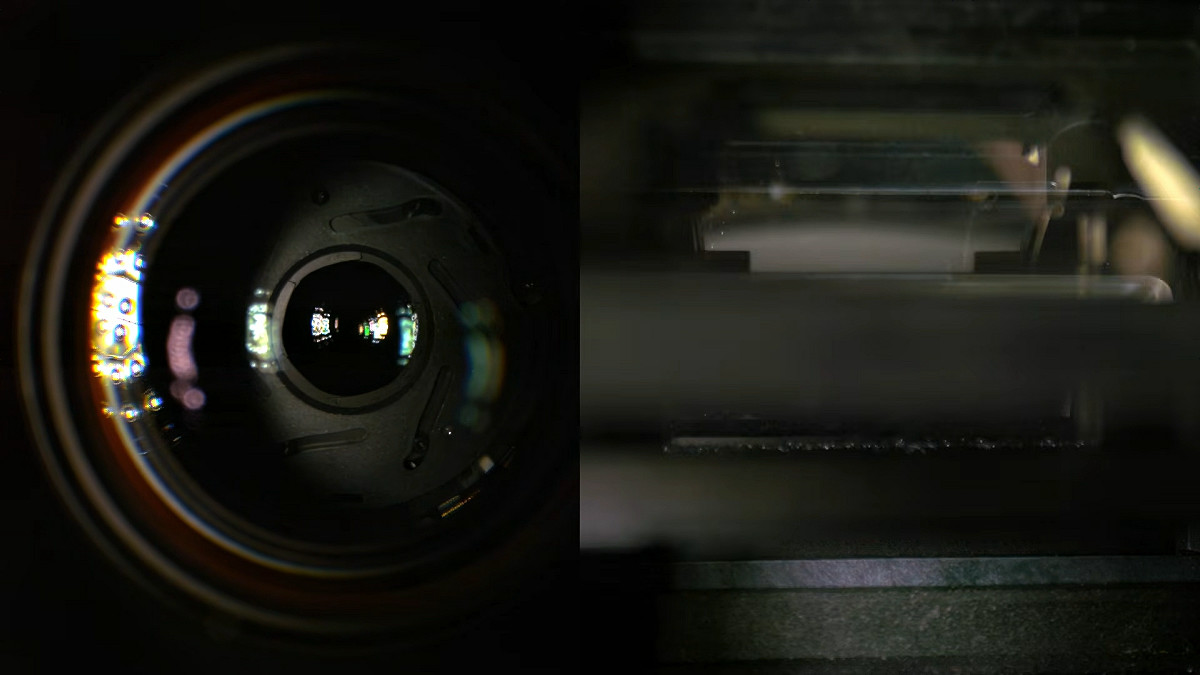
The mechanical shutter of a single-lens reflex (SLR) camera requires the action of 'flipping up the mirror,' which results in problems such as 'significant vibration when the shutter is released' and 'a long time lag between pressing the shutter button and actually being able to take a picture.' On the other hand, mirrorless cameras, as the name suggests, do not have a mirror, so they can avoid problems caused by the mirror.
As an example of mirrorless camera operation, we will examine the operation of the electronic front curtain shutter of Sony's 'α7R IV' in super slow motion.
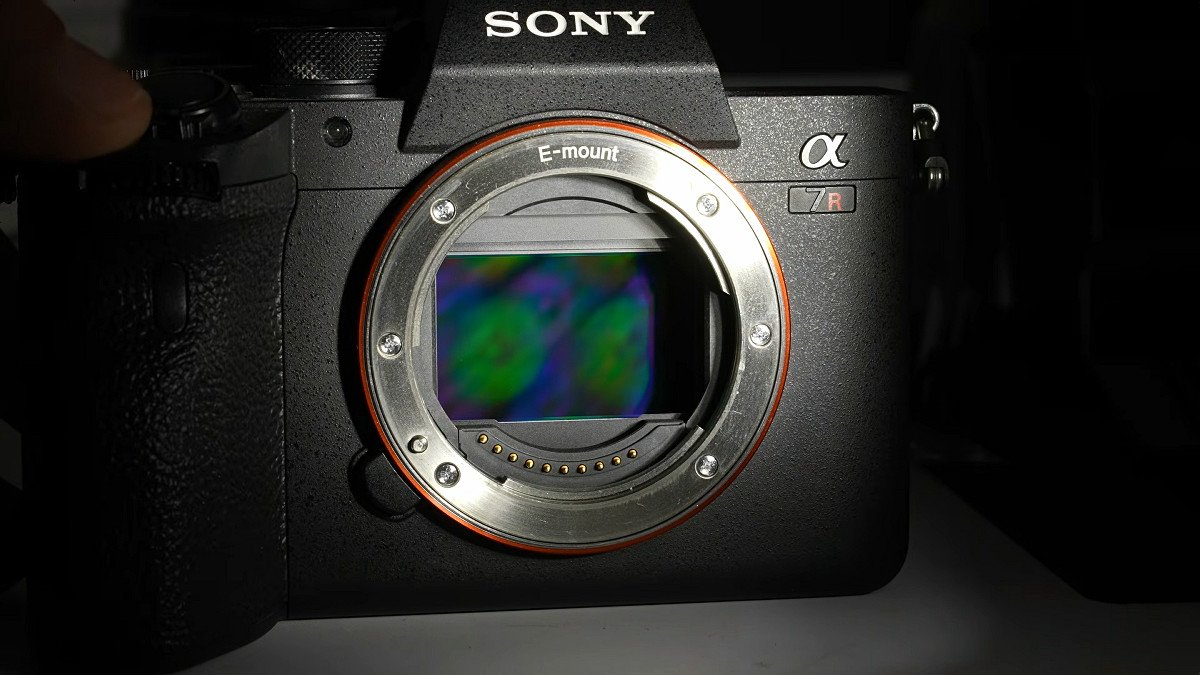
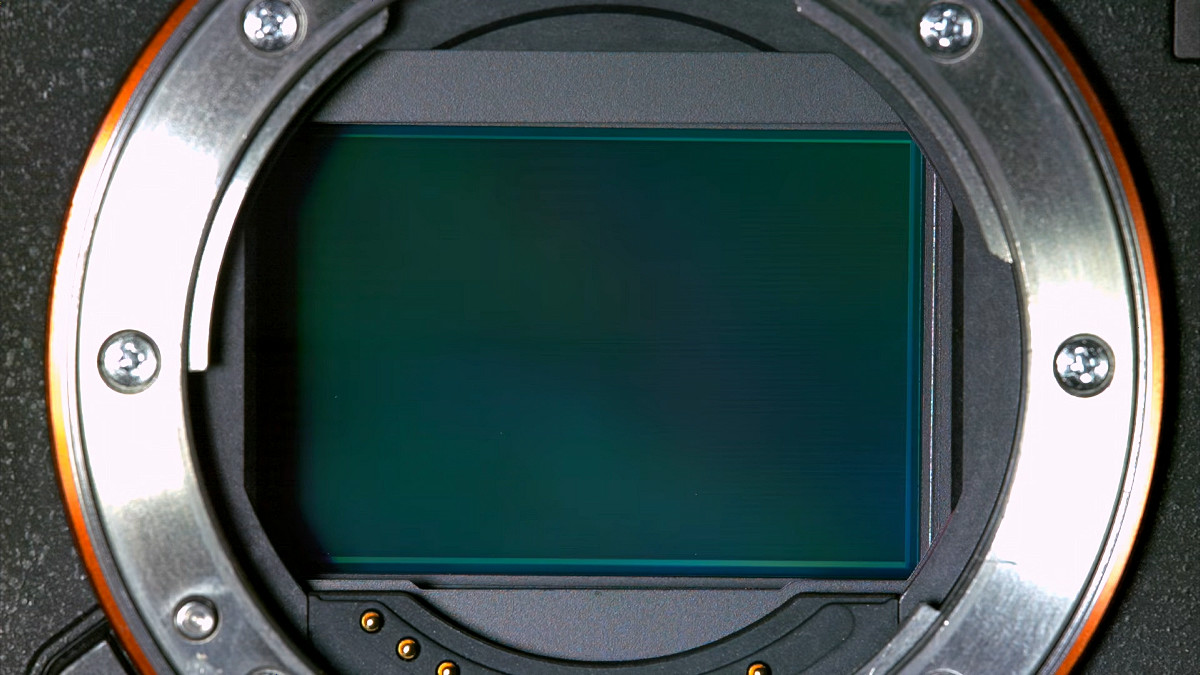
First, here's the state before pressing the shutter button. Unlike a single-lens reflex camera, the sensor is always visible.
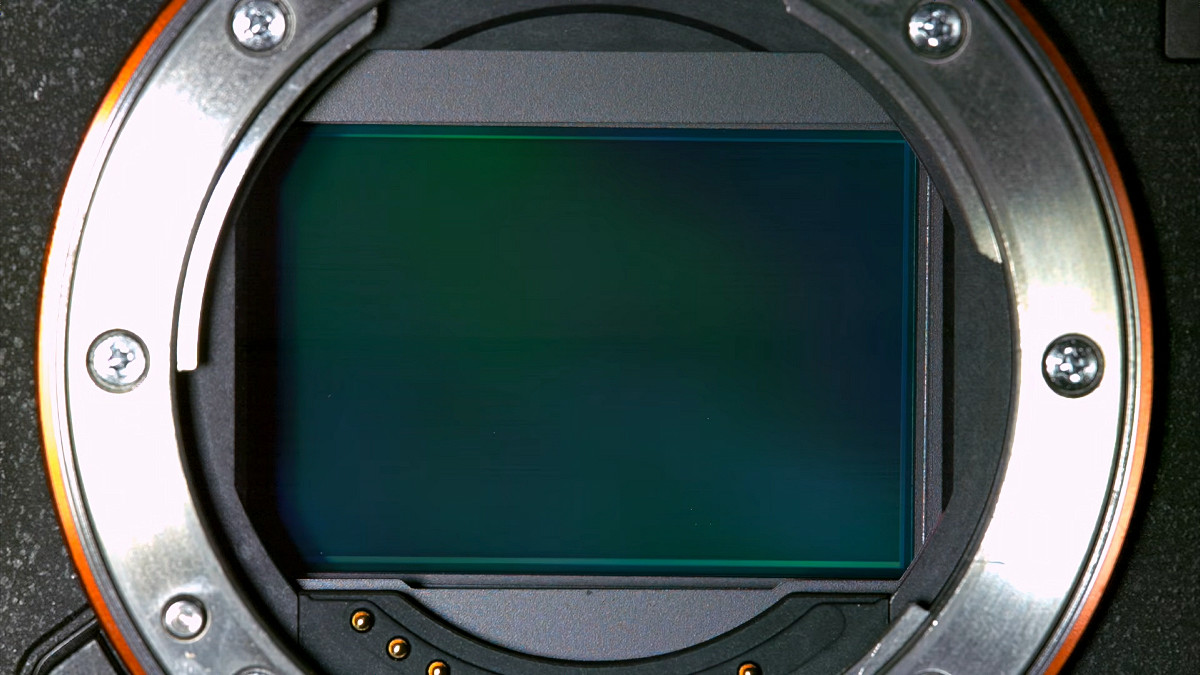
When you press the shutter button, the shutter curtain rises from the bottom.
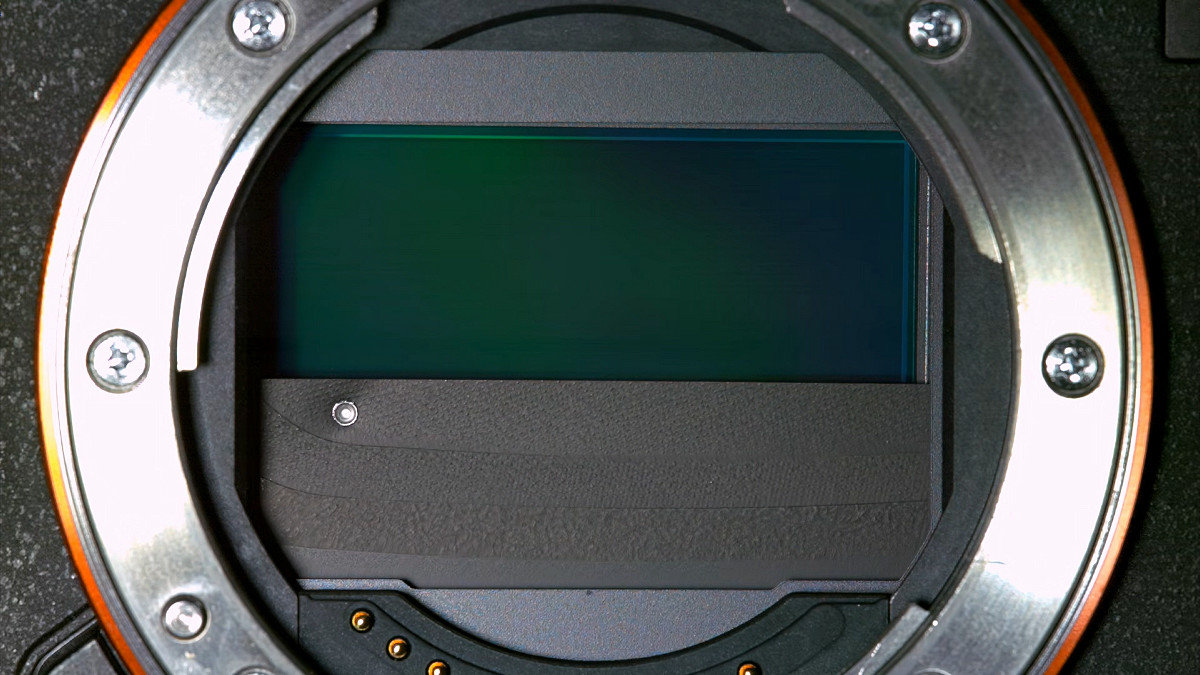
Exposure is complete when the shutter curtain is fully raised. In an electronic front curtain shutter, the 'start of exposure' process, which is normally performed by the front curtain, is electronically controlled, allowing exposure to be completed with just one shutter curtain.
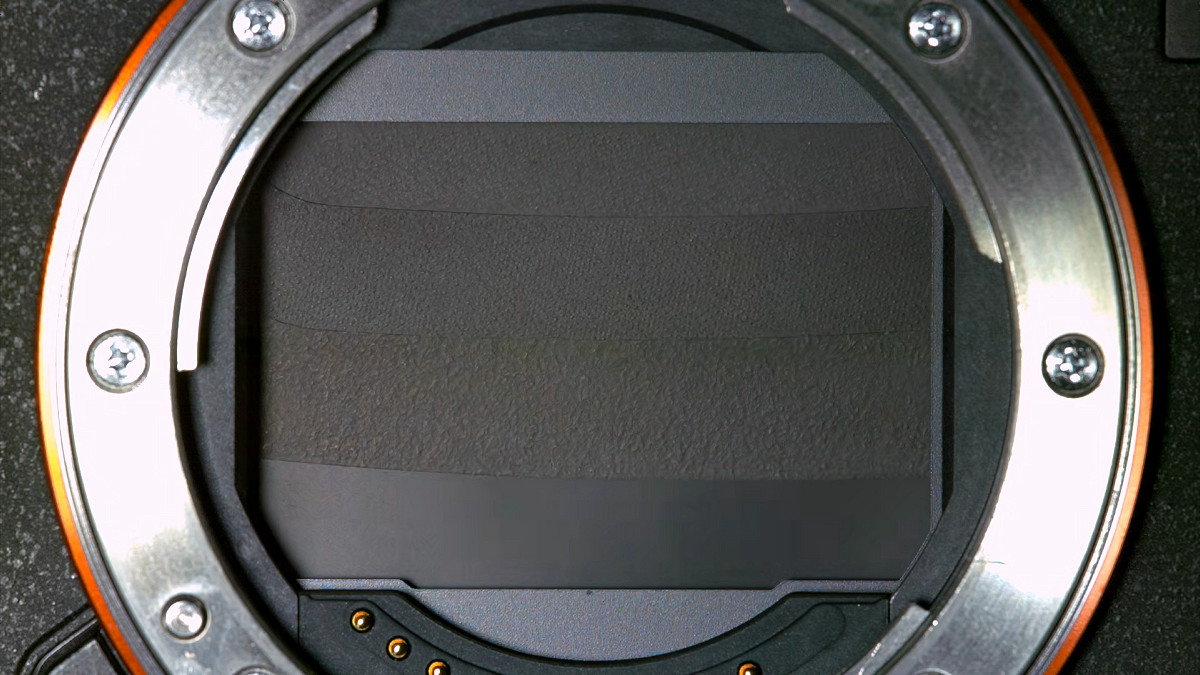
After the exposure is complete, the second shutter curtain, which was not used for the exposure, comes down.
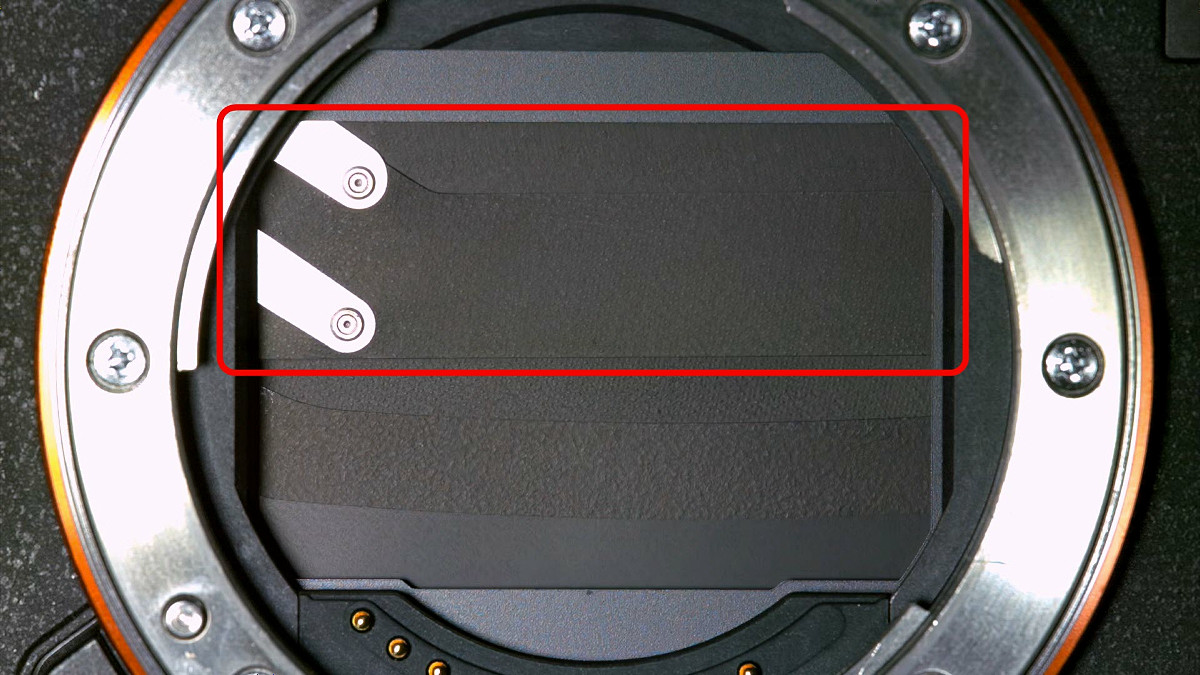
While the second shutter curtain is lowering, the first shutter curtain returns to the bottom of the camera body.
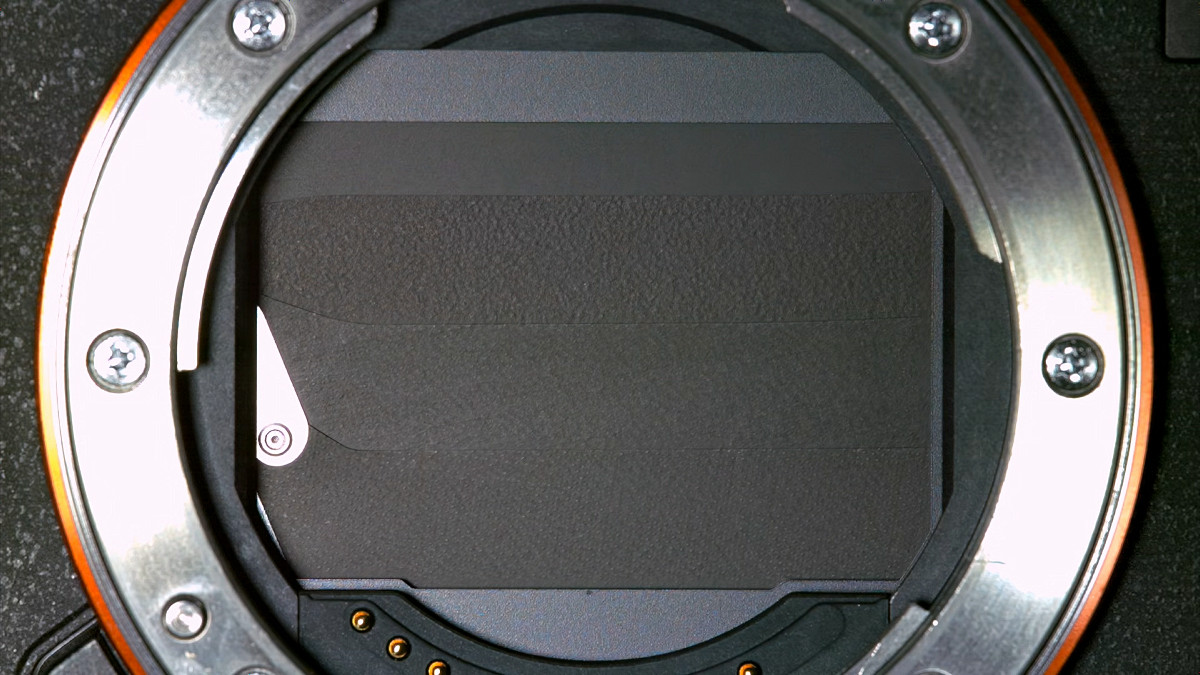
And then the second shutter curtain also rises.
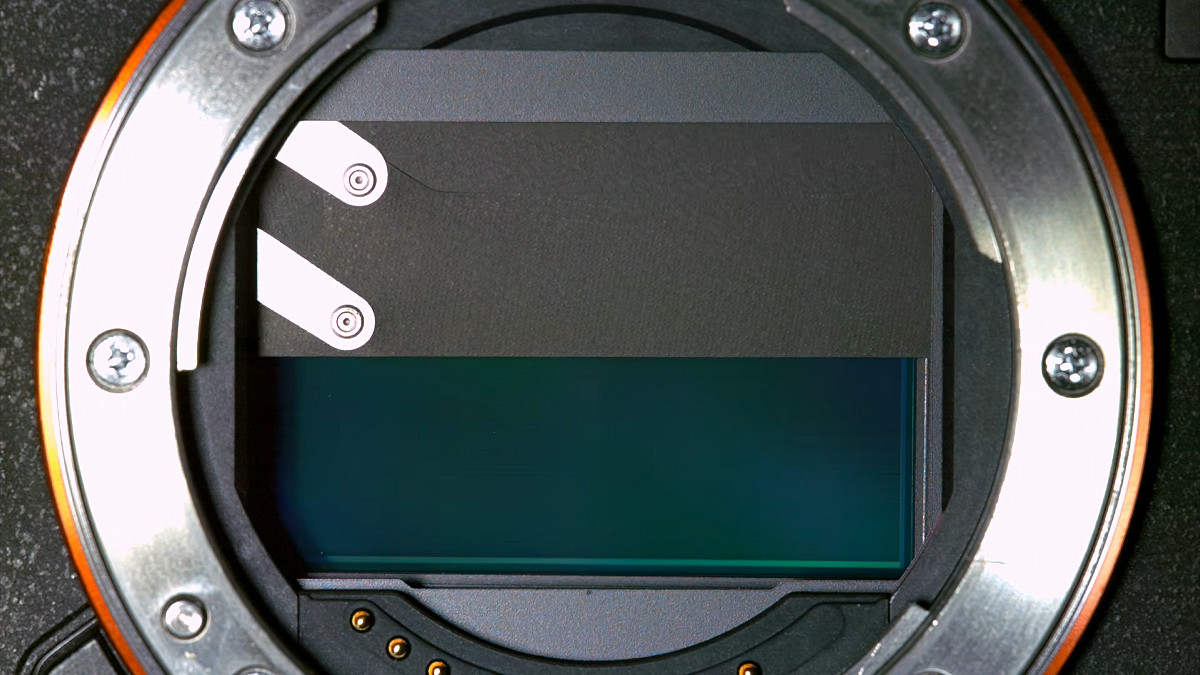
The sequence of operations is complete once the second shutter curtain has fully risen.
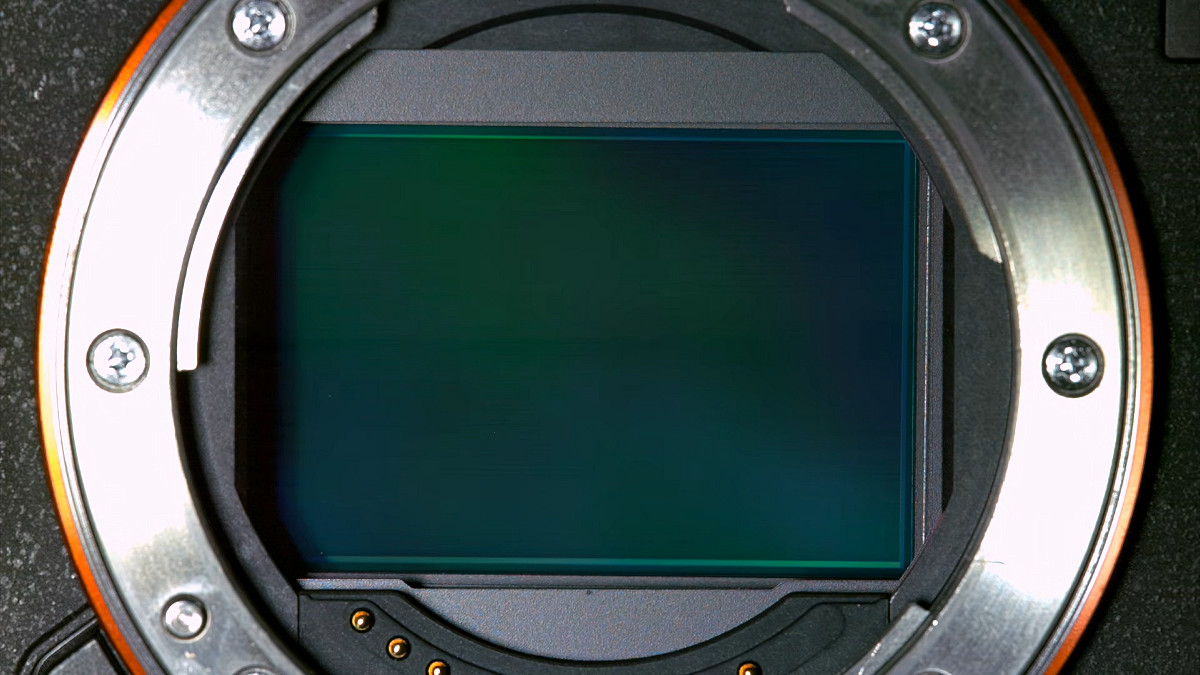
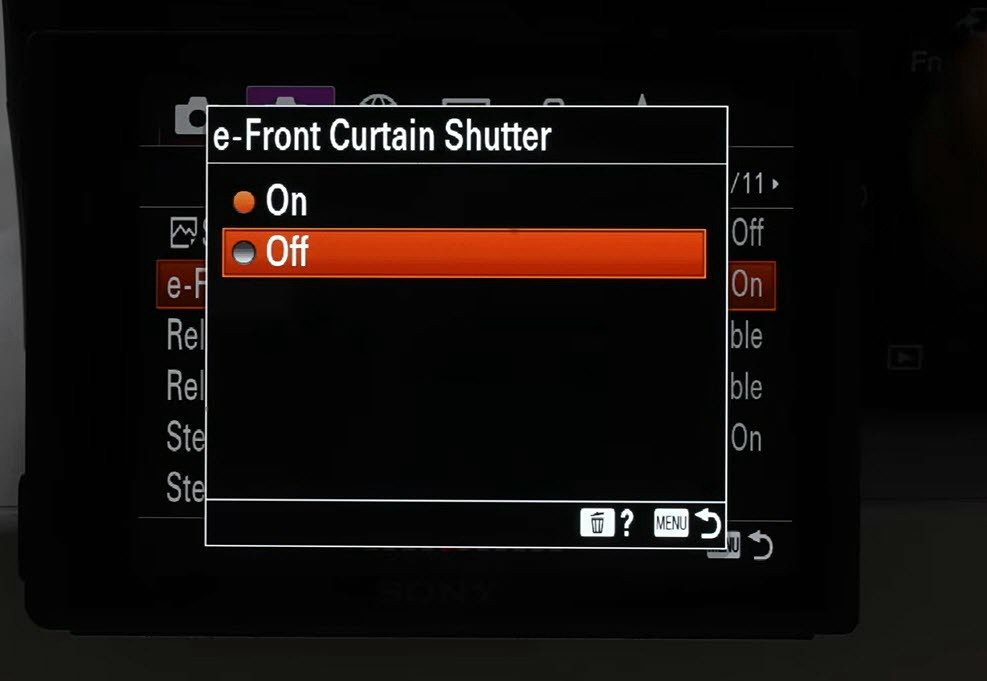
Next, we'll turn off the electronic front curtain shutter and check the operation of the mirrorless camera's mechanical shutter.
The process starts with the sensor visible before pressing the shutter button.
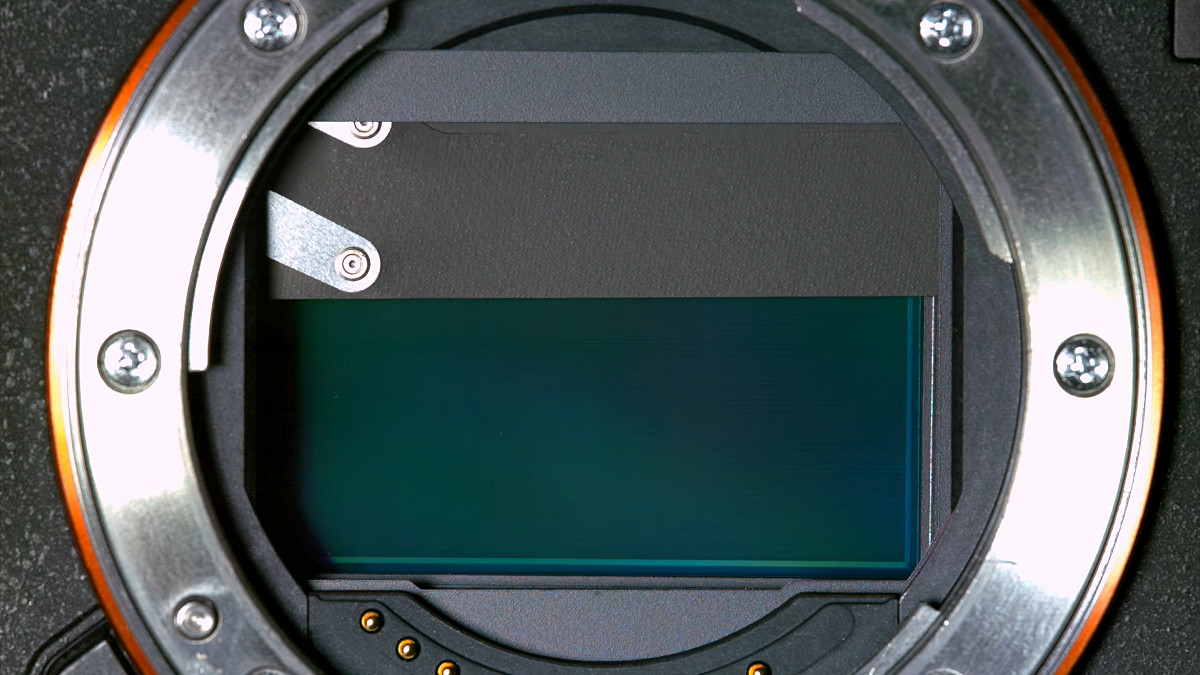
With a mechanical shutter, the front curtain descends from above.
The front curtain has come down completely.
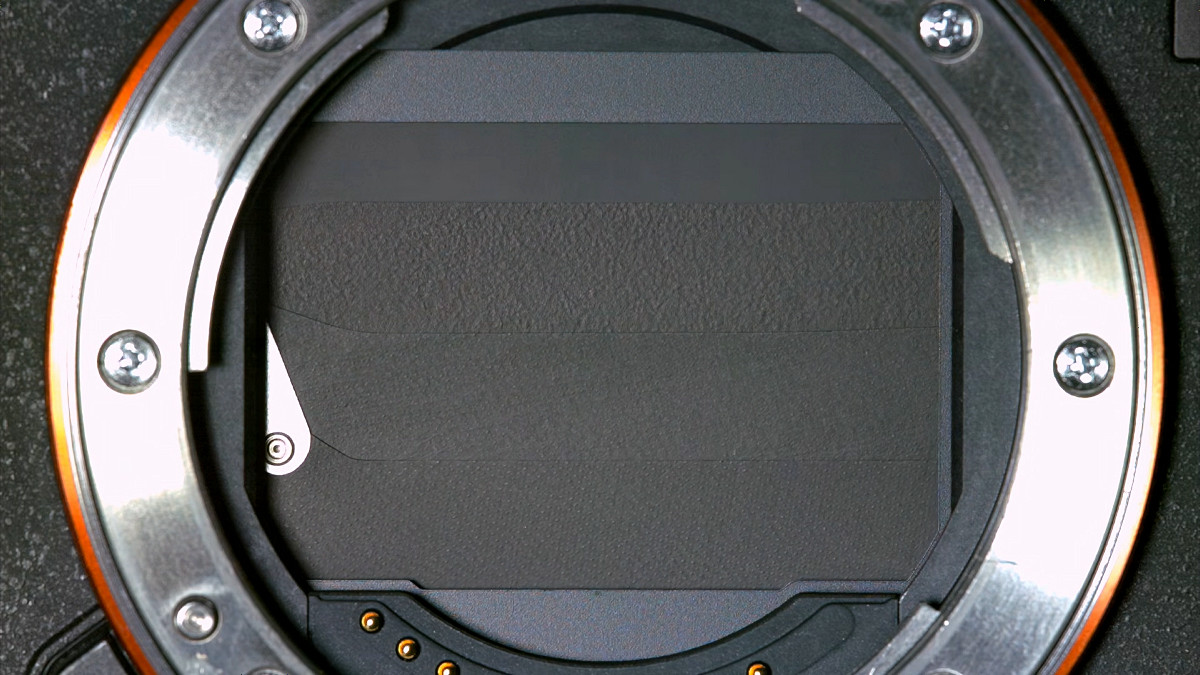
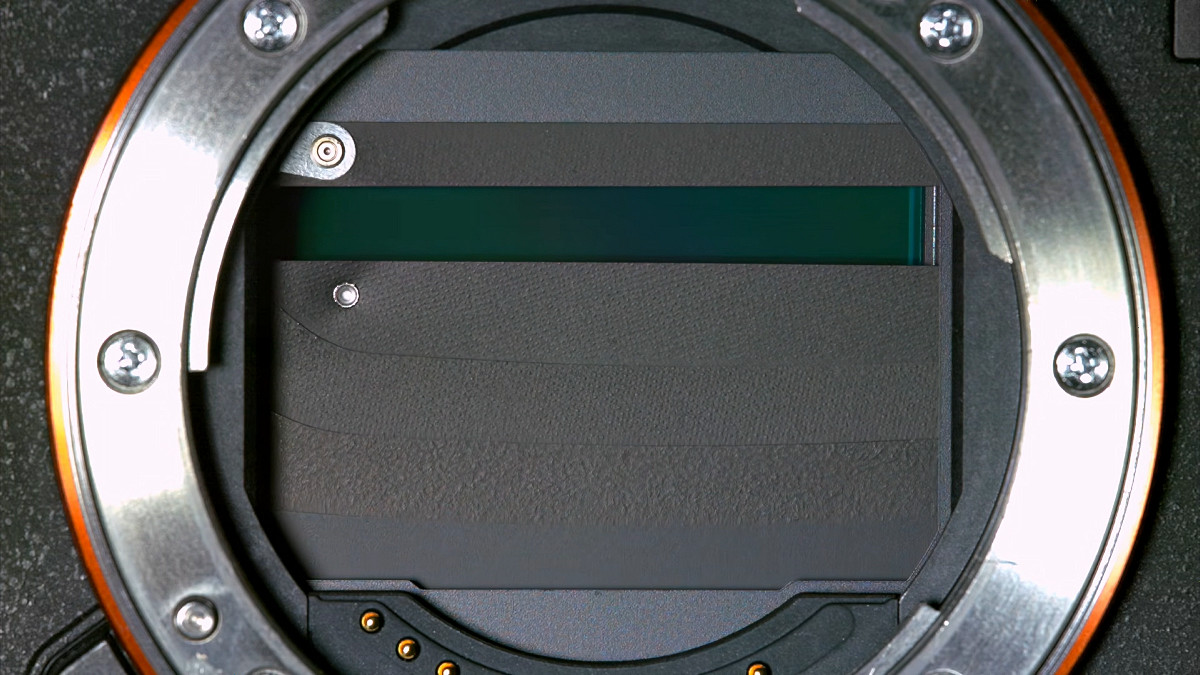
Next, the front and rear curtains move upwards, leaving a gap between them.
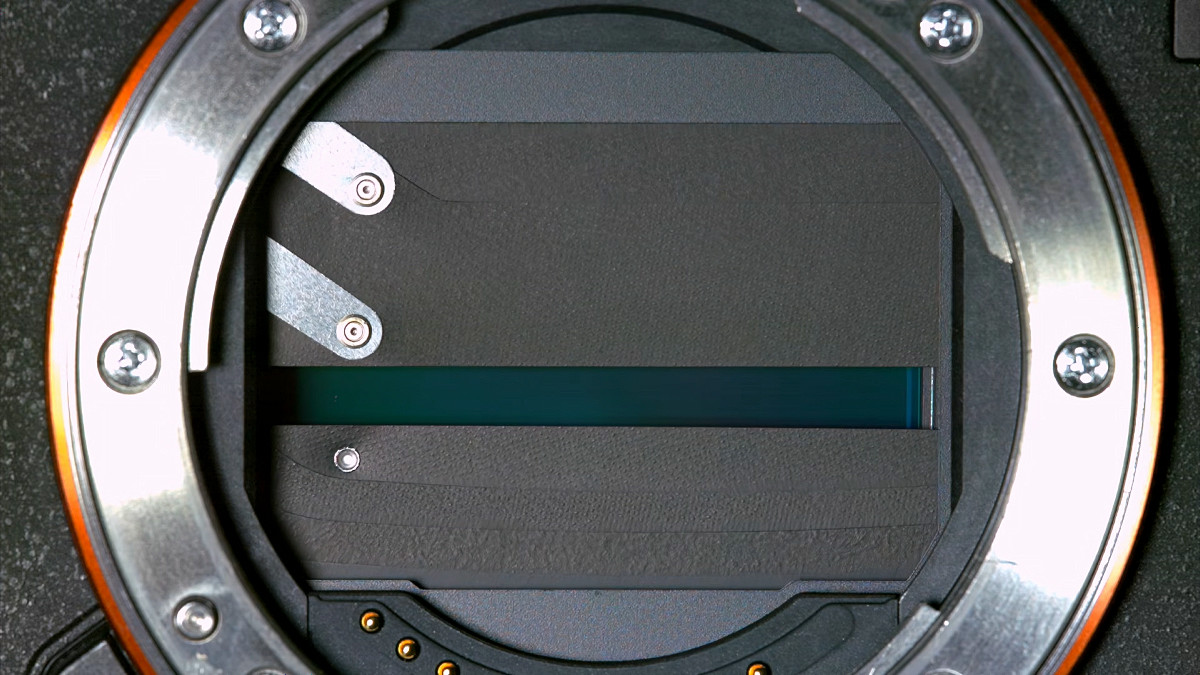
Similar to SLR cameras, the gap size increases towards the end of the operation.
The Slow Mo Guys' video also explains how the lens shutter works and how it operates during flash photography, so if you're interested, check out the video.
Mirrorless cameras also offer a feature called 'electronic shutter,' which controls exposure solely through electronic means. Electronic shutters have advantages such as 'completely eliminating physical blur caused by the movement of the shutter curtain' and 'extremely high continuous shooting speeds,' but they suffer from a problem called 'rolling shutter distortion,' where the shape of fast-moving subjects is distorted because the sensor elements are read one row at a time. In recent years, mirrorless cameras that support 'global shutters,' which read all rows of the sensor simultaneously, have appeared, and the disadvantages of electronic shutters are gradually being avoided. For example, Sony's 'α9 III,' released in 2024, uses a global shutter to capture 'moving trains' and other subjects without distortion.
Sony's full-frame mirrorless camera 'α9 III' shooting review: Packed with advanced features such as 'global shutter,' '120 frames per second continuous shooting,' and '8 stops of image stabilization' - GIGAZINE
Related Posts: