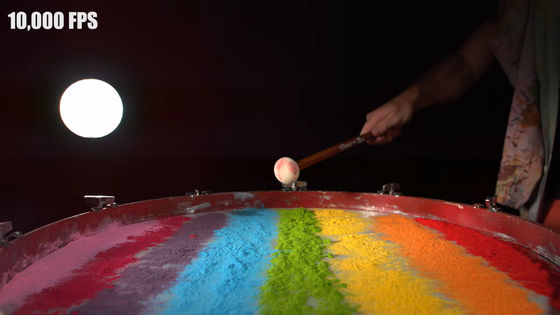
450,000 fps super slow-motion footage reveals the mechanics of Nintendo's premature game console, the Virtual Boy
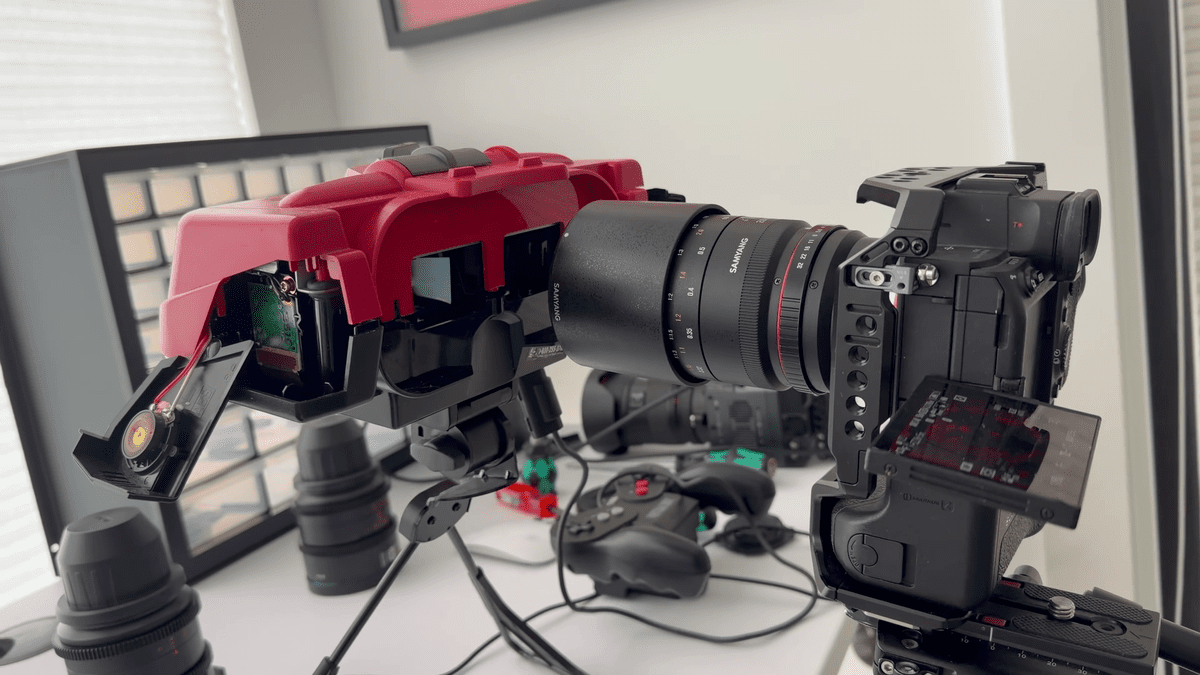
The YouTube channel The Slow Mo Guys, which takes pictures of various things with an ultra-high speed camera, has released a video of the Virtual Boy, a stationary game console released by Nintendo in 1995 that uses stereoscopic (3D) vision, disassembling it and capturing the light inside at an ultra-high frame rate of 450,000 fps.
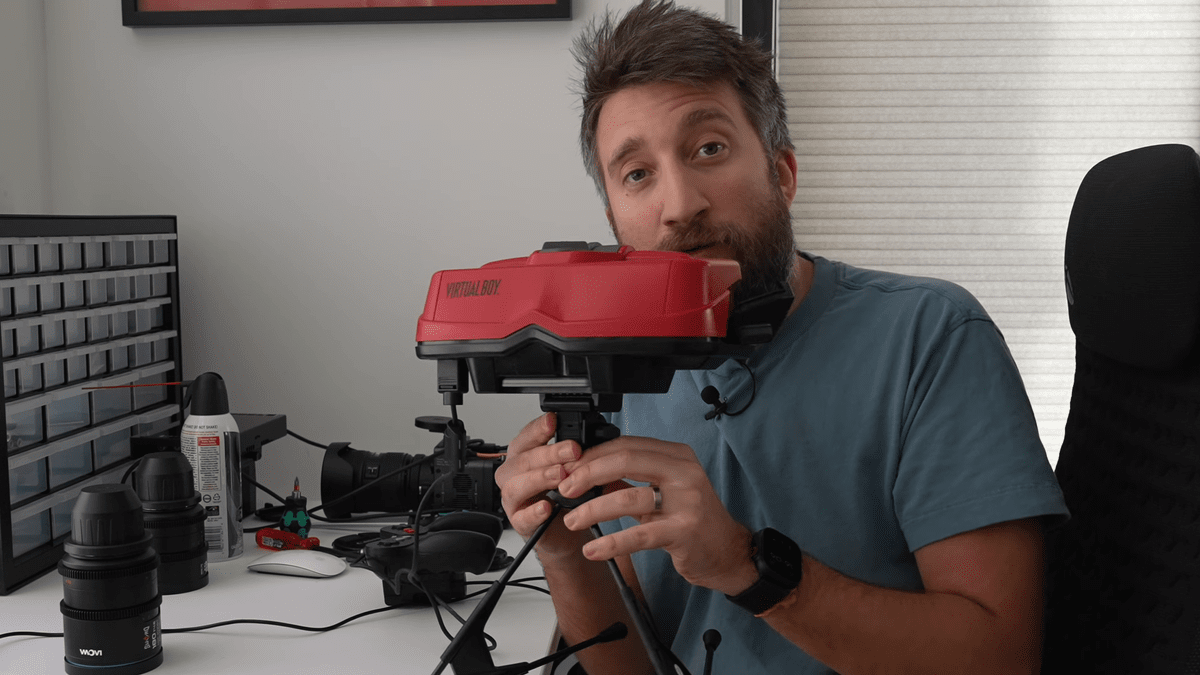
The host is Dan from The Slow Mo Guys, who disassembles a Virtual Boy and removes the chip inside.
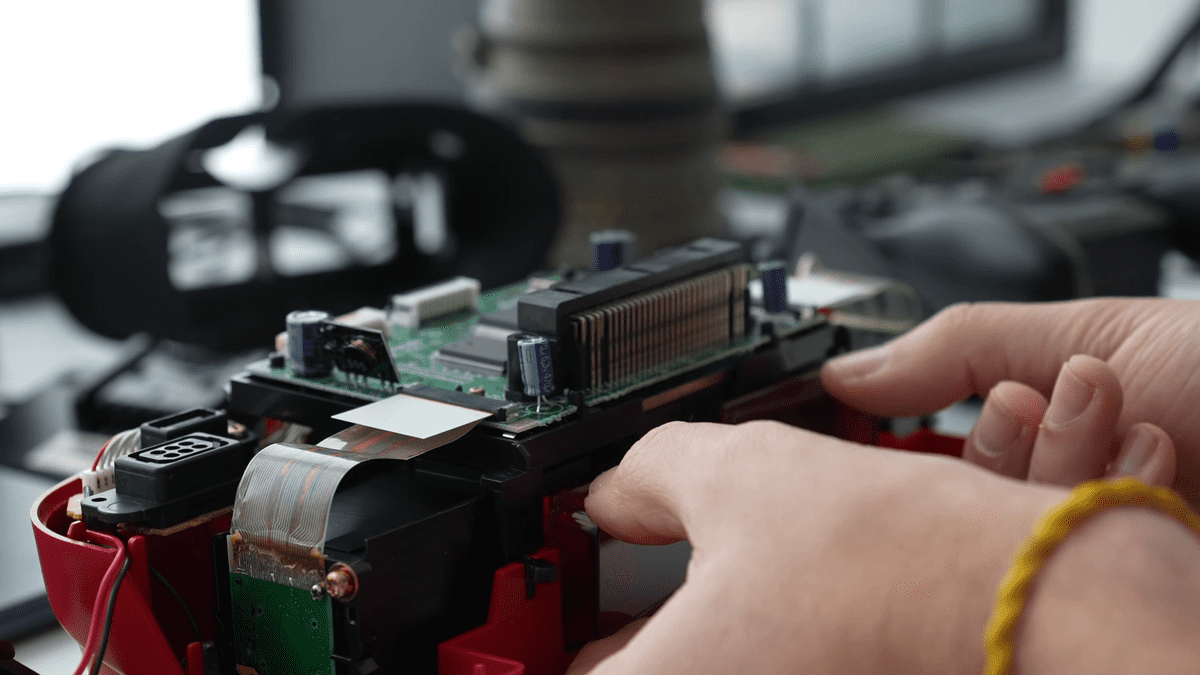
This chip is one of the displays. The Virtual Boy has one chip for each eye. They are positioned inward, and light passes through a bulging lens in the middle. The image is magnified here, then reflected by a mirror positioned at a 45-degree angle, before finally reaching the player's eyeball.
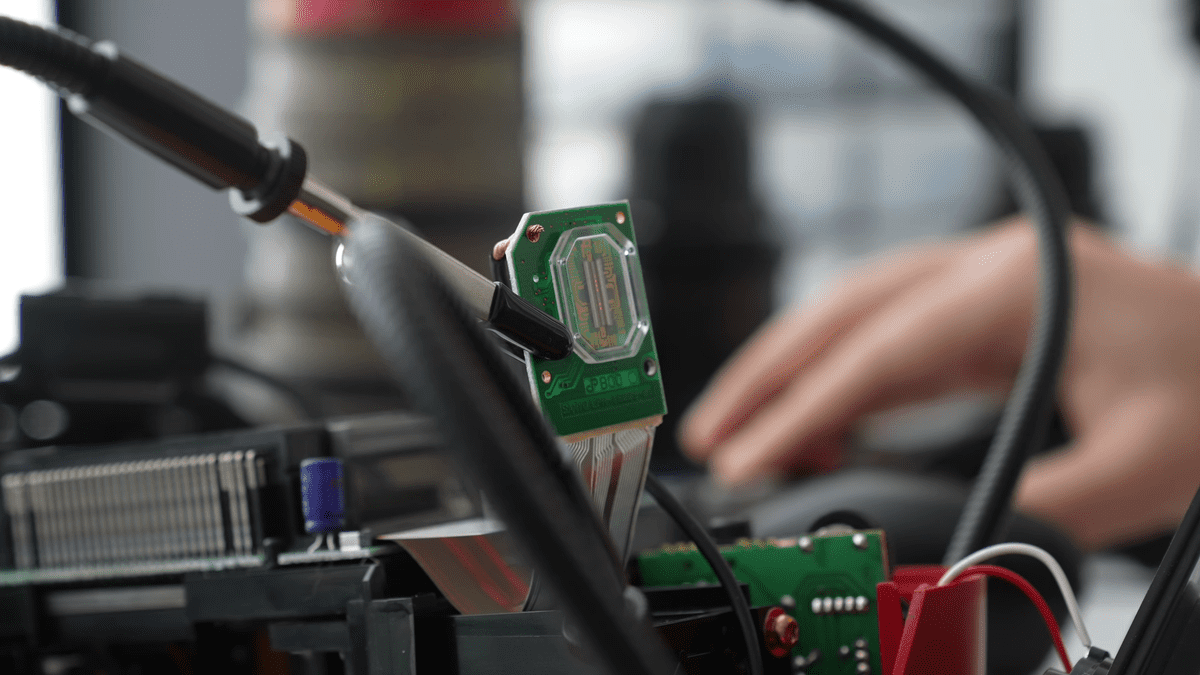
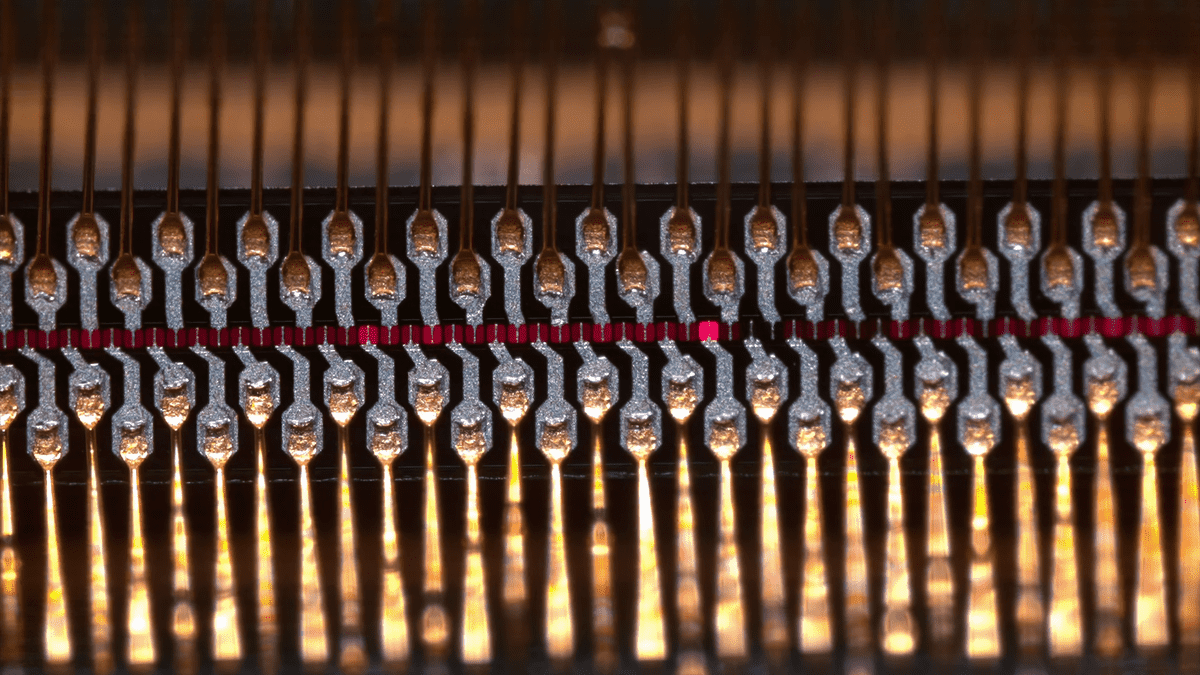
Unlike a normal display, the Virtual Boy's display consists of 224 red LEDs arranged in a vertical row. The resolution is 1x224.
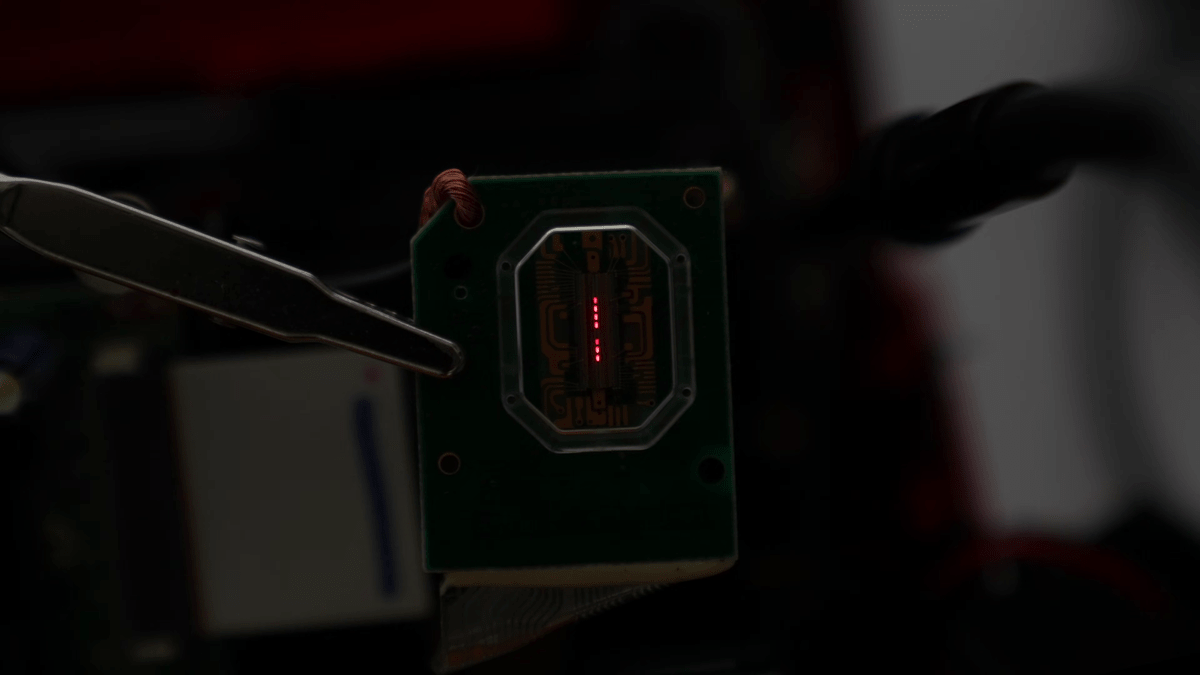
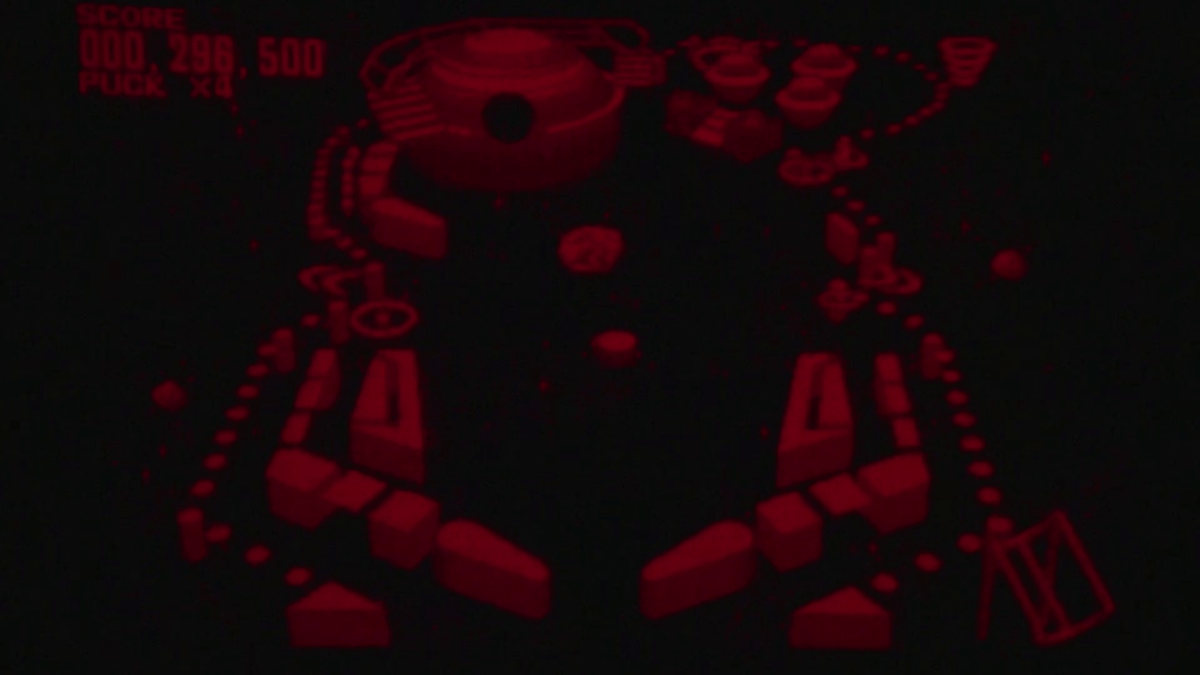
However, when you look through the eyepiece, you actually see an incredibly detailed 384x224 image.
The light from the display appears almost stationary in real time, but when captured with a slow-motion camera, it can be seen to be flowing from top to bottom.
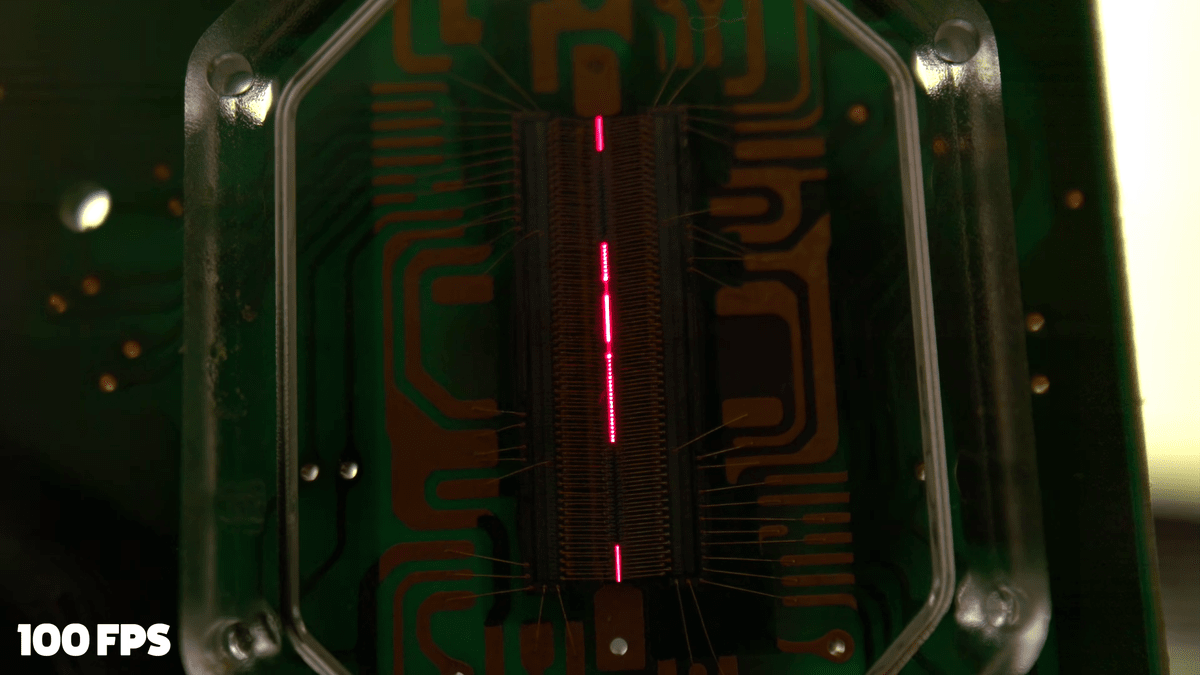
This single beam of light is reflected by the mirror and moves back and forth, creating multiple beams. These beams remain in your eye like an afterimage, allowing you to see the image.

The mirror vibrates 50 times per second in perfect sync with the display's refresh rate.
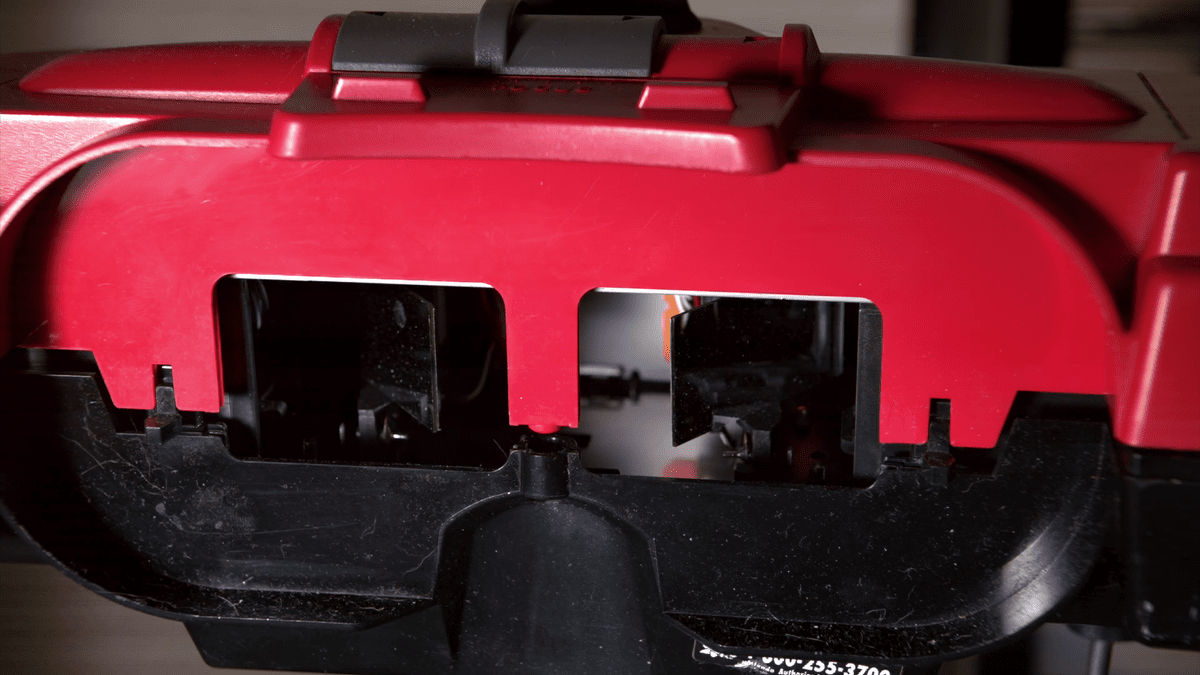
What's interesting is that, just like on television, the frames are always drawn from the same direction: starting from the left edge, ending on the right edge, and the next frame again starting from the left. Also, parallax is used to present the image to each eye from slightly different perspectives, creating a sense of depth.
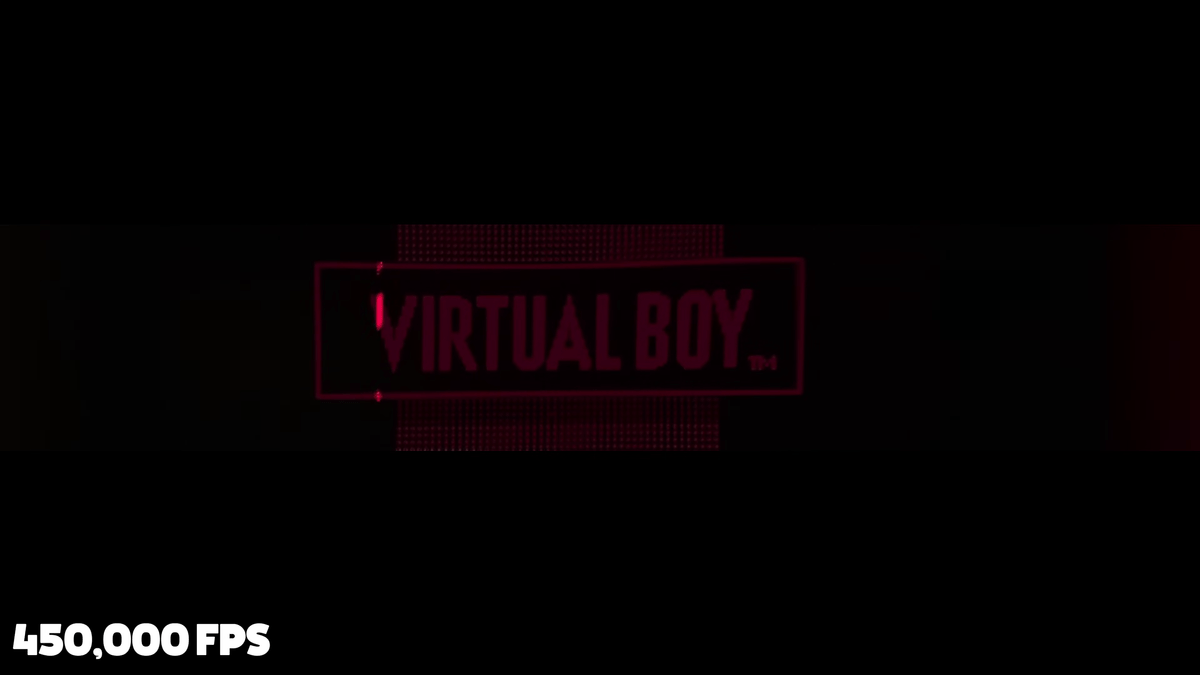
The LEDs flash 384 times per frame, which is 19,200 times per second for each eye. When viewed at 1000fps, it is possible to see the differences in brightness within the LED row, with three on-levels and one off-level, resulting in a total of four levels of brightness.
Dan said, 'This technology was truly amazing for the time. There was no backlight and the image was projected directly onto the eye, so it looked incredibly sharp and high resolution.'
Related Posts: