What is a diet that significantly increases the amount of food you eat while reducing your daily calorie intake by more than 300 kcal?

When people think about 'reducing calorie intake for health reasons,' some people reduce the amount of food they eat or practice fasting, but this carries the risk of nutritional deficiencies and worsening health. However, new research has found that there is a diet that significantly reduces calorie intake while increasing the amount of food itself and meeting the necessary nutrients.
Consuming an unprocessed diet reduces energy intake: a post-hoc analysis of a randomized controlled trial reveals a role for human nutritional intelligence - ScienceDirect
January: Sticking to a wholefood diet means you really can eat much more | News and features | University of Bristol
https://www.bristol.ac.uk/news/2026/january/sticking-to-a-wholefood-diet-means-you-really-can-eat-much-more-.html
This Diet Change Cuts Over 300 Calories a Day, Without Decreasing Meal Size : ScienceAlert
https://www.sciencealert.com/this-diet-change-cuts-over-300-calories-a-day-without-decreasing-meal-size
In recent years, ultra-processed foods, such as carbonated drinks, processed meats, sweet breads, snacks, retort pouch foods, and instant noodles, have become popular. However, many of these foods are high in calories, raising concerns that they may have a negative impact on health .
This time, a research team from the University of Bristol in the UK and other institutions reanalyzed the results of a 2019 experiment that examined the differences between a group that ate a free range of ultra-processed foods and a group that ate a free range of unprocessed, whole foods.
The month-long study involved 20 participants who were randomly assigned to either a group that ate an unlimited amount of ultra-processed foods or a group that ate an unlimited amount of whole, unprocessed foods. Participants were free to combine foods from each food pool to create the meals they wanted. The groups were swapped midway through the study, with each participant participating in both diets.
The analysis revealed that the 'unprocessed whole food' group ate 57% more food by weight than the 'ultra-processed food' group, but consumed an average of 330 fewer calories per day than the ultra-processed food group.
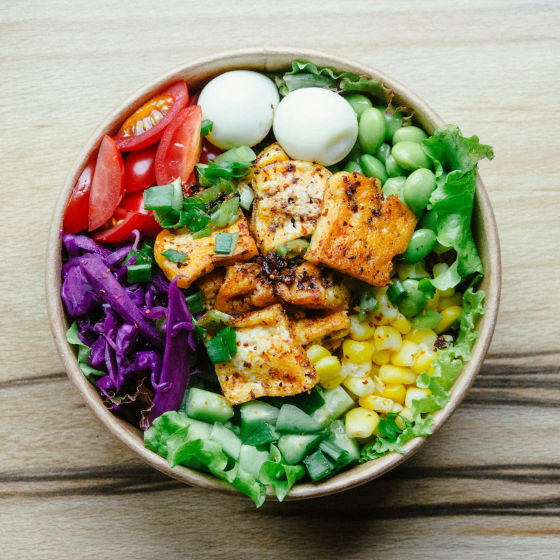
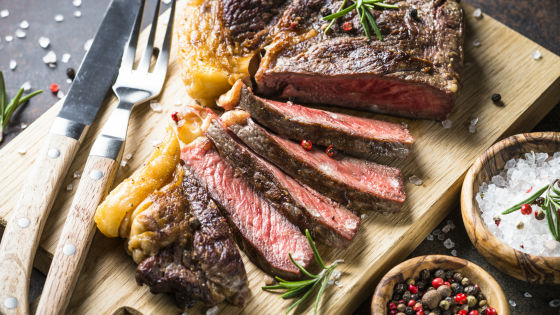
The participants who ate whole, unprocessed foods didn't eat the whole thing, and they could choose high-calorie foods like steak, pasta, and cream. However, instead of filling up on high-calorie foods, they tended to choose more vegetables and fruits and eat a more balanced diet.
Lead author
'Our results show that when participants ate only high-calorie foods, they were deficient in several essential vitamins and minerals, ultimately leading to micronutrient deficiencies,' said study co-author Mark Schacker, a nutrition journalist. 'These micronutrient deficiencies were compensated for by the low-calorie fruits and vegetables they ate.'
On the other hand, the ultra-processed food group also showed that, contrary to the idea that 'ultra-processed foods are empty calories with little nutritional value despite their high calorie content,' it was likely that they were able to obtain the necessary nutrients through vitamin fortification, etc. However, it was suggested that the calories required to ingest the same nutrients were overwhelmingly higher, resulting in increased calorie intake.
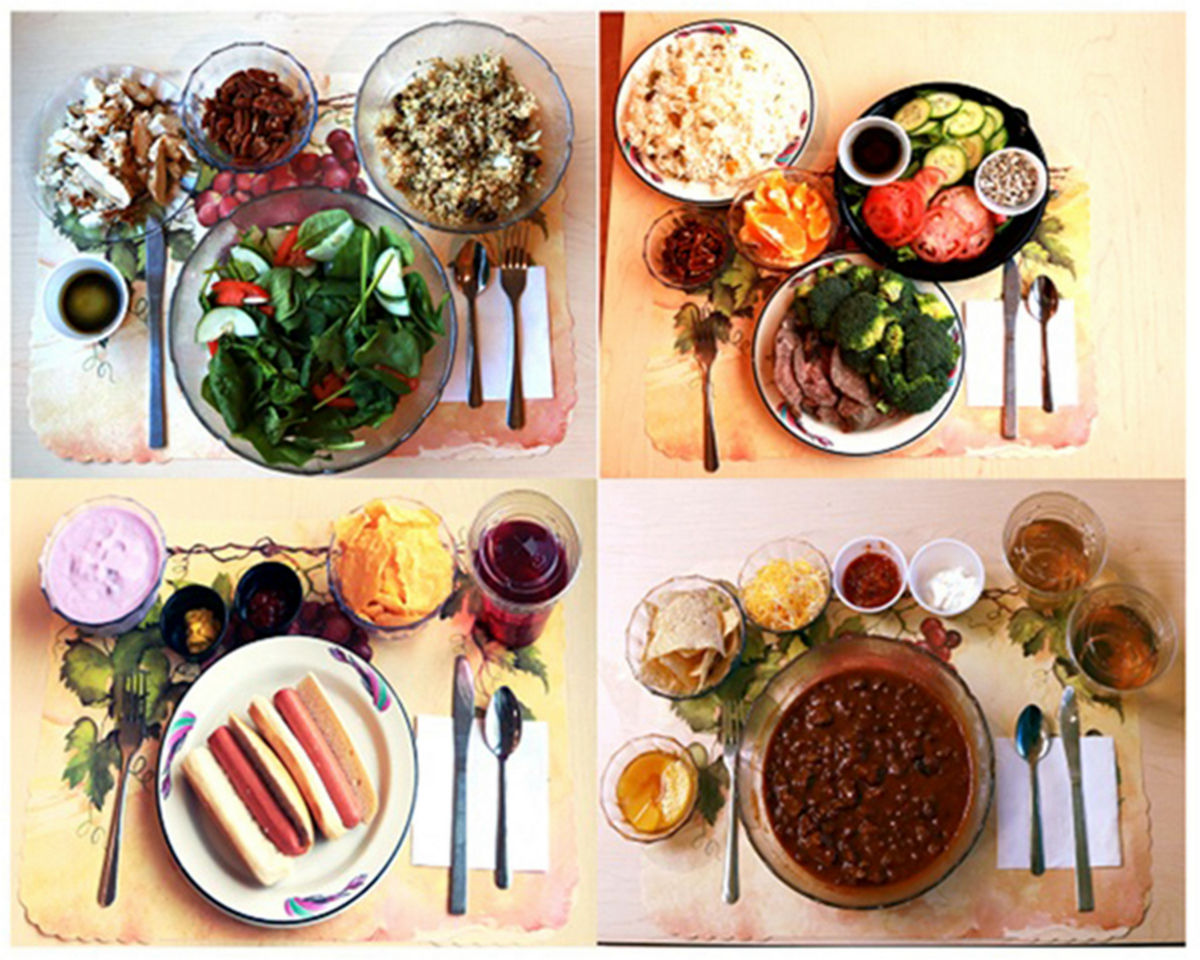
The photos below show an example of a lunch (left) and dinner (right) made with unprocessed foods on the top row, and an example of a lunch (left) and dinner (right) made with ultra-processed foods on the bottom row. From the looks of it, the unprocessed meals appear to be larger in portion size, rich in both meat and vegetables, and appear to be more nutritionally balanced.
The results of this study suggest that humans have a 'nutritional intelligence' that prioritizes nutritious vegetables and fruits at the expense of energy-dense foods. However, the presence of ultra-processed foods that are high in calories but enriched with nutrients may impair nutritional intelligence, resulting in excessive calorie intake. The research team believes that this may be due to the existence of such foods.
'Overeating is not necessarily the problem - in fact, our study found that people on a whole foods diet ate significantly more than those on a processed foods diet,' said Branstrom. 'However, the nutritional composition of food influences choices, and ultra-processed foods appear to be steering people towards higher-calorie options. This could lead to excess energy intake, even at much lower portions, which is likely to contribute to obesity.'
Related Posts:






in Free Member, Science, Food, Posted by log1h_ik