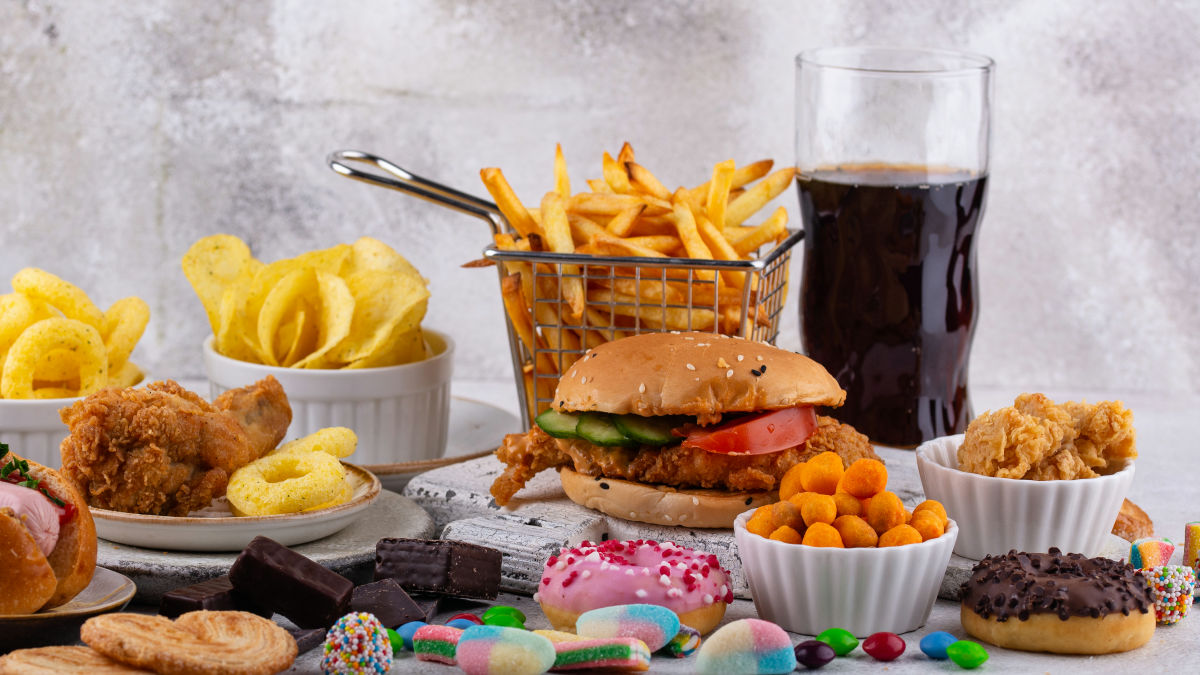
Ultra-processed foods not only increase weight even with the same calorie intake, but also reduce sperm quality, harming men's health.
Effect of ultra-processed food consumption on male reproductive and metabolic health - ScienceDirect
https://www.sciencedirect.com/science/article/pii/S1550413125003602
Not all calories are equal: Ultra-processed foods harm men's health – University of Copenhagen
https://cbmr.ku.dk/news/2025/not-all-calories-are-equal-ultra-processed-foods-harm-mens-health/
Ultra-Processed Food Is Harming Men's Health in Three Key Ways : ScienceAlert
https://www.sciencealert.com/ultra-processed-food-is-harming-mens-health-in-three-key-ways
Numerous studies have shown that ultra-processed foods have a negative impact on people's health, but it is not clear whether this is due to the processing of the food, the nutritional imbalance, or simply eating too many ultra-processed foods.
So a team led by researchers at the University of Copenhagen in Denmark conducted an experiment to see if the proportion of ultra-processed foods in a diet has different health effects when the overall calories and nutrients are the same.
For the study, 43 male subjects aged 20-35 were recruited and asked to follow two diets for three weeks: one with 77% of calories from ultra-processed foods and the other with 66% of calories from non-processed foods . The diets differed only in the proportion of ultra-processed and non-processed foods, but the calorie, protein, carbohydrate, and fat content was the same. A three-month rest period was included between the three-week diets to prevent any carryover effects from the previous diet.
Half of the participants were given a standard calorie diet appropriate for their body type, age, and physical activity level, while the other half were given a diet 500 kcal higher than the standard. The participants were not told which diet they were receiving.
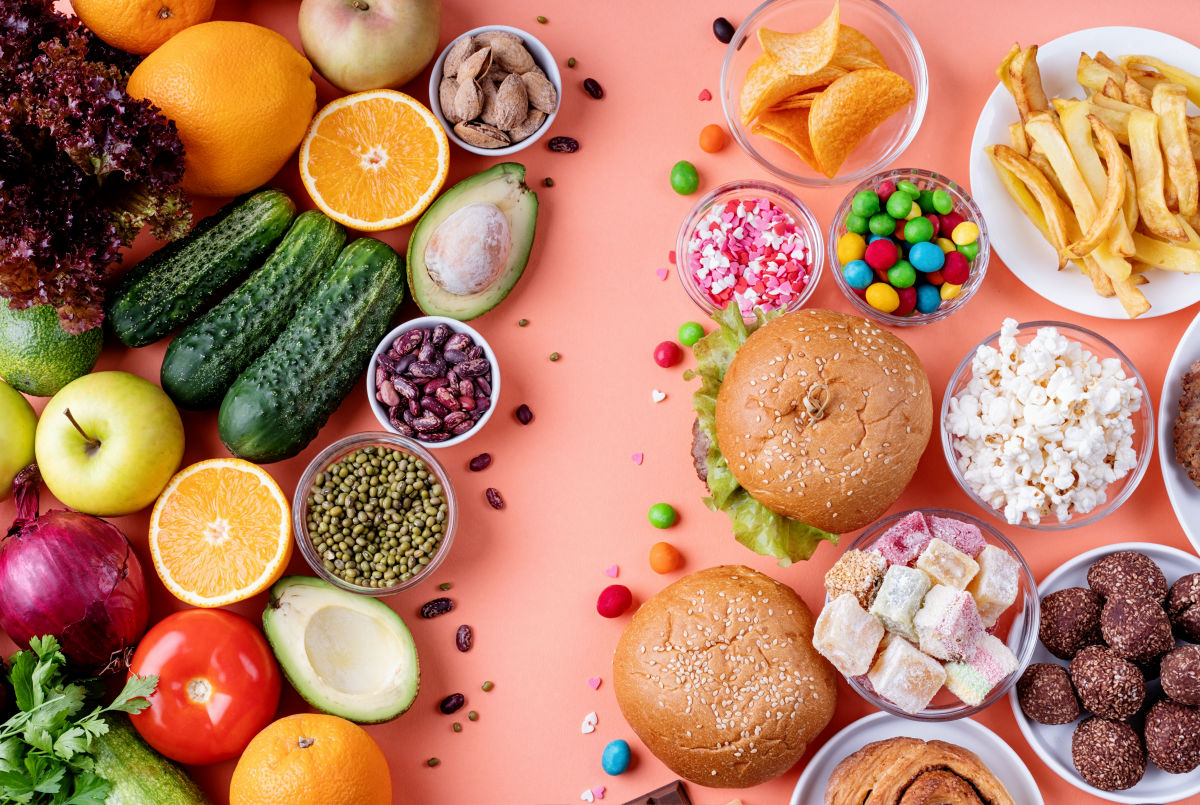
The study found that participants gained an average of 1kg more fat and had worse cardiovascular health during the period when they ate a diet high in ultra-processed foods, and also had worryingly elevated levels of a chemical called
Furthermore, the group that consumed a diet high in ultra-processed foods also had lower levels of testosterone and follicle-stimulating hormone , which are essential for sperm production. This is concerning, as sperm count in men has been declining worldwide in recent years.
'Our results suggest that consumption of ultra-processed foods has adverse effects on cardiovascular metabolic and reproductive health. Furthermore, a diet high in ultra-processed foods is associated with differences in the accumulation of pollutants in blood and semen,' the research team wrote in their paper.

Jessica Preston, lead author of the study and a PhD student at the NNF Centre for Basic Metabolic Research at the University of Copenhagen, said: 'Our findings demonstrate that ultra-processed foods, even when not consumed in excess, can have a negative impact on reproductive and metabolic health. This suggests that it is the processed nature of ultra-processed foods that makes them harmful.'
Professor Roman Barres, co-author of the paper and director of the NNF Centre for Basic Metabolic Research at the University of Copenhagen, said: 'We were shocked to see how many bodily functions ultra-processed foods disrupt, even in healthy young men. This is concerning for long-term health and highlights the need for a revision of nutritional guidelines to effectively protect against chronic disease.'
Related Posts:






in Free Member, Science, Food, Posted by log1h_ik