Elderly people who vote in elections live longer than elderly people who do not vote.
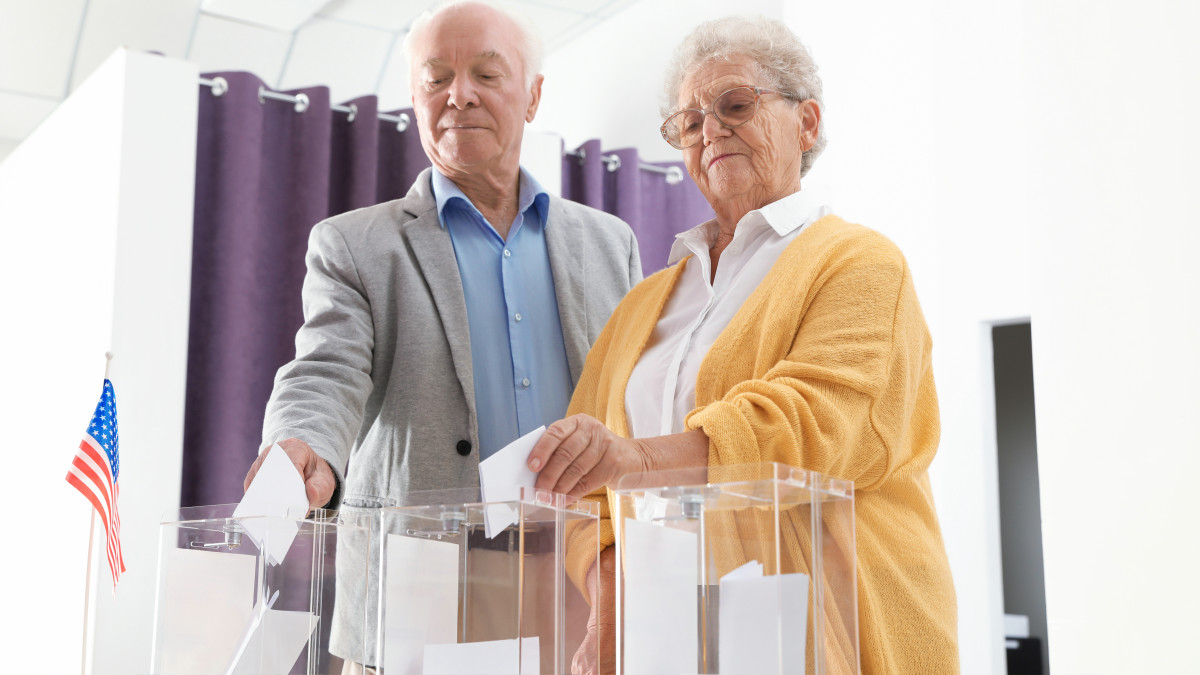
Things that are considered necessary for a long life include 'eating plenty of vegetables,' 'exercising regularly,' 'getting enough sleep,' 'maintaining social connections,' and 'avoiding alcohol and smoking.' New research has also found that 'voting in elections' may be related to whether or not you live longer.
Voting behavior and mortality risk in older adults: Evidence from the Wisconsin Longitudinal Study | The Journals of Gerontology: Series B | Oxford Academic
Older Americans who vote live longer than those who don't – new research
https://theconversation.com/older-americans-who-vote-live-longer-than-those-who-dont-new-research-279933
A research team led by Associate Professor Sarah Conlas, who studies philanthropy at Indiana University in the United States, hypothesized that not only healthy lifestyle habits such as diet and exercise, but also civic activities such as voting, might have some influence on longevity.
The research team analyzed data from the Wisconsin Longitudinal Study , which has been randomly tracking high school graduates in Wisconsin since 1957, to examine whether voting has a positive impact on health. In the United States, voter turnout is generally higher among older adults than younger adults, and in Wisconsin, this trend is even more pronounced among older adults.
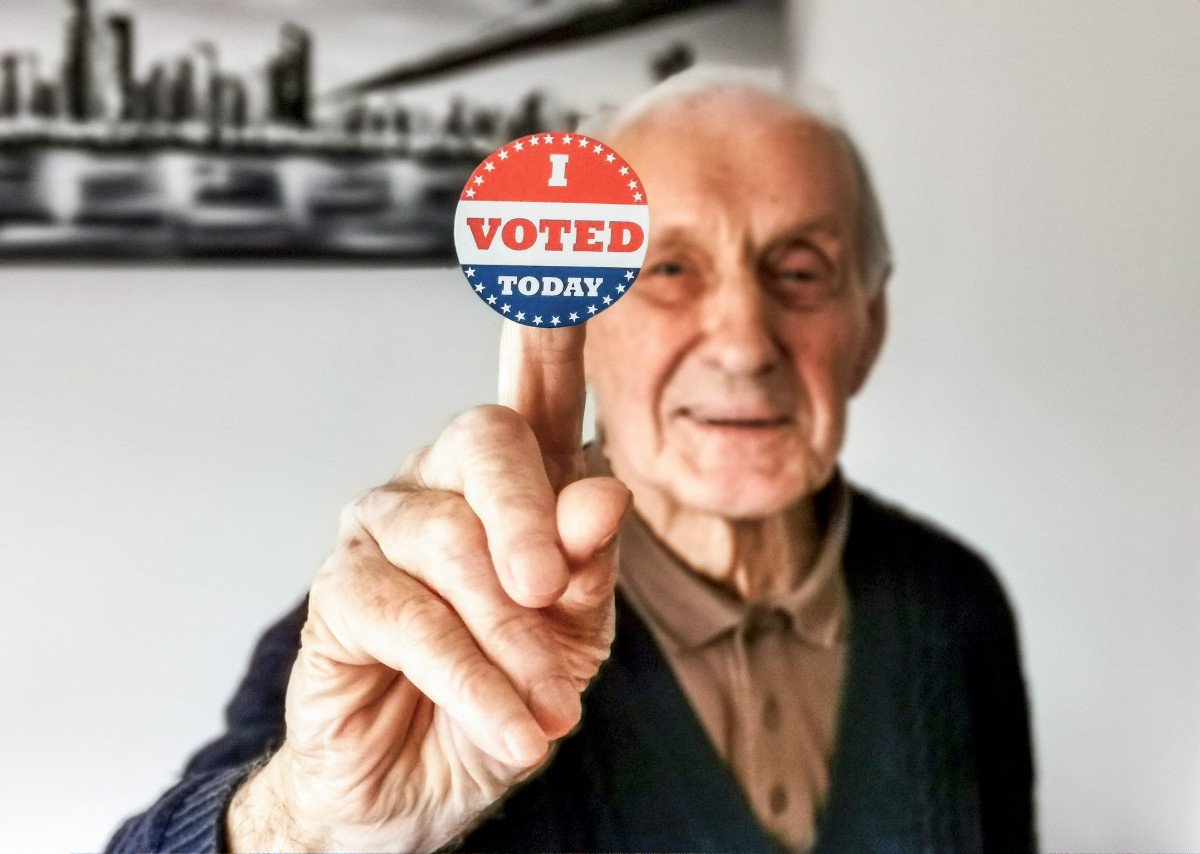
The research team compared the long-term health status of older adults who voted and those who did not in the 2008 US presidential election. They used data from
The analysis revealed that those who voted in the 2008 US presidential election were 45% less likely to die within 5 years of voting, 37% less likely to die 10 years later, and 29% less likely to die 15 years later compared to those who did not vote. Similar effects were observed in the 2004 and 2012 US presidential elections, but the trend was stronger in the 2008 and 2012 elections than in the 2004 election.
Some might argue that these results simply mean that healthy people are more likely to vote, resulting in a lower mortality rate among those who did vote. However, even after considering factors such as pre-voting health, gender, marital status, income, and participation in other civic activities like volunteering, the mortality risk for those who voted remained low. Furthermore, the study showed that those with poorer health before voting experienced a greater improvement in their mortality rate 15 years later as a result of voting.
One of the findings of this study is that there is no relationship between voting method and mortality rate. When comparing elderly people who voted in person at a polling station with those who voted by mail for any reason, both groups reportedly had similarly low mortality rates over 15 years.
Furthermore, whether the candidate voted for by older adults won or lost was not correlated with subsequent mortality rates. While it's natural to feel stressed if your preferred candidate loses, older adults surveyed, regardless of their political affiliation, benefited from a long-term reduction in mortality rates through voting.
Previous research has shown evidence that volunteering activates the brain's reward system , reduces stress , and delays several stages of aging . Voting, being an altruistic and collaborative act in some ways, may also foster a sense of self-efficacy and social connection, potentially leading to benefits such as a lower mortality rate.
Related Posts:


in Science, Posted by log1h_ik