The concept of 'fairness' in gambling gave rise to the concept of 'expected value' in probability theory.
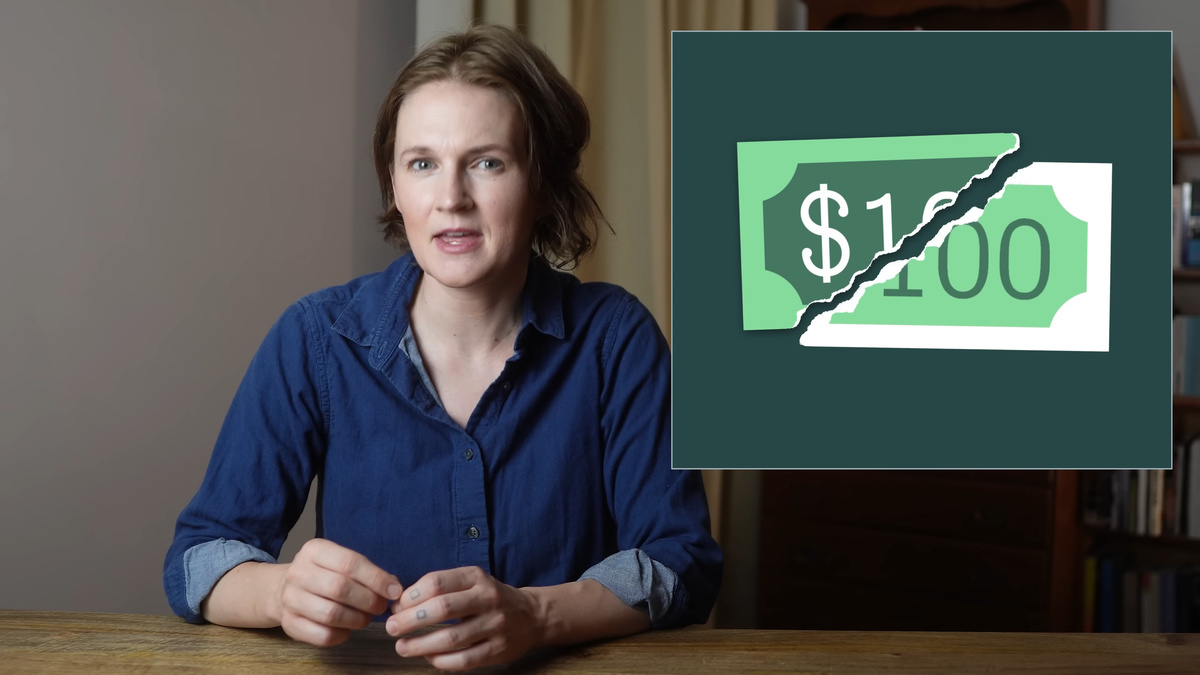
Probability theory is the mathematical description and discussion of the likelihood of events occurring. The YouTube channel Chalk Talk explains how probability theory originated from discussions about fairness in gambling.
The video begins with the question, 'If the game is interrupted before a winner is determined, how should the $100 prize be divided fairly?' In other words, the question of 'what is fair' comes first, and probability becomes necessary to arrive at the answer.
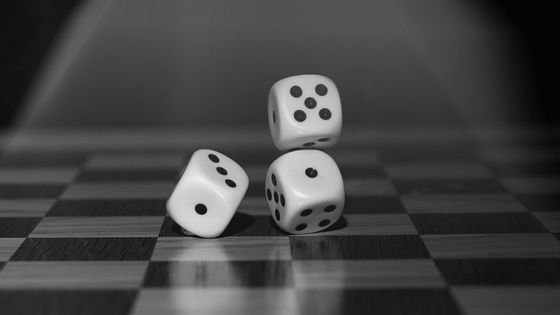
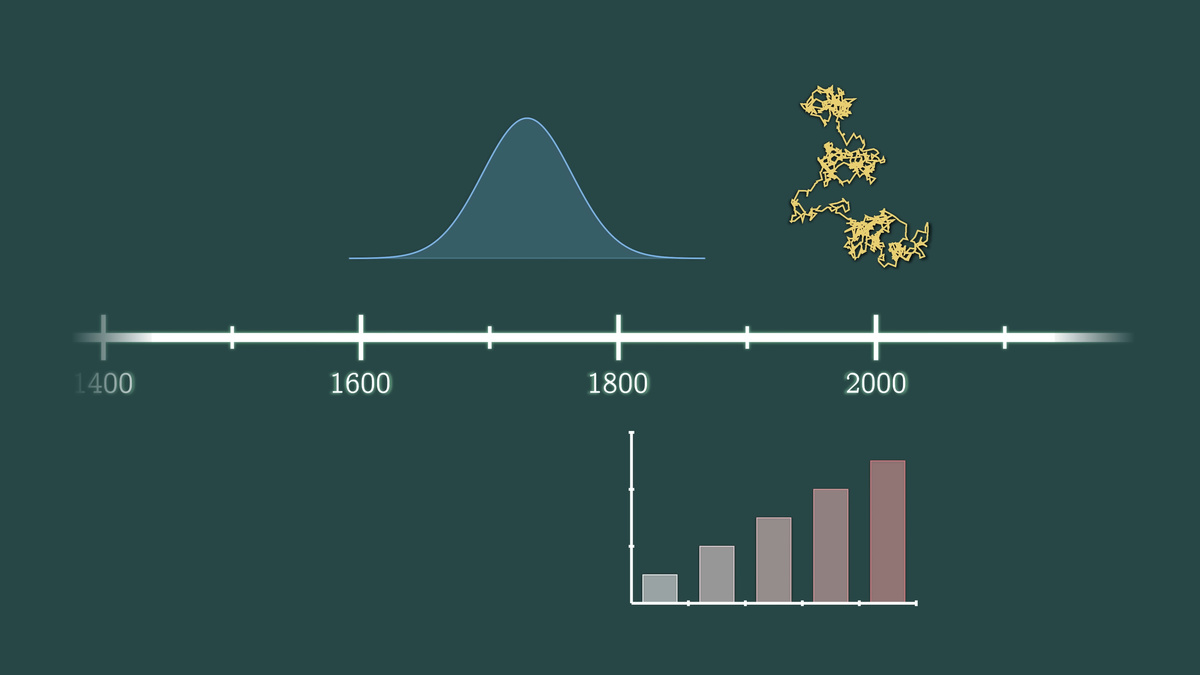
Randomness itself has been used since ancient times in gambling, fortune-telling, resolving disputes, making political decisions, and predicting the future. However, probability theory, which formally organizes randomness as a mathematical concept, is relatively new, with discussions beginning in the 16th and 17th centuries.
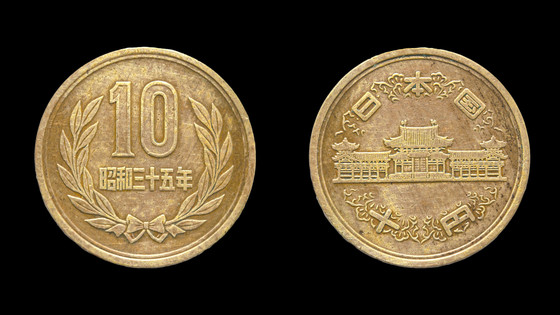
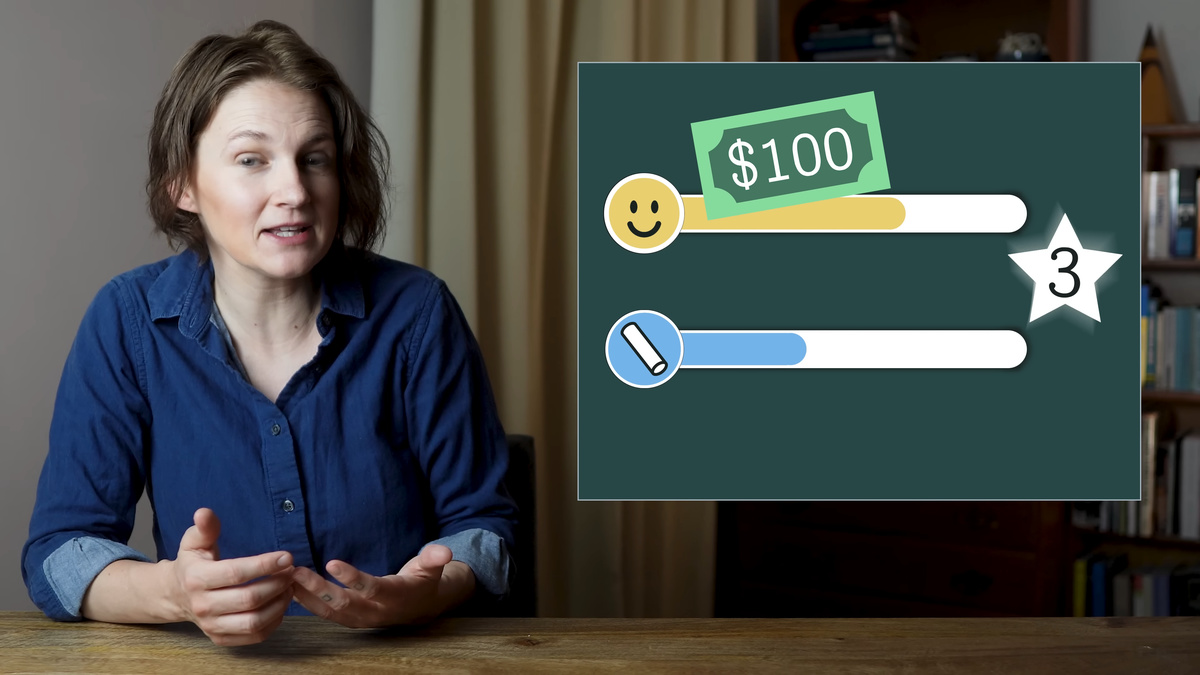
For example, consider a coin toss game where the first person to reach 3 points wins, and the winner receives $100. The problem then becomes how to divide the $100 if the game is stopped when one person has 2 points and the other has 1 point.
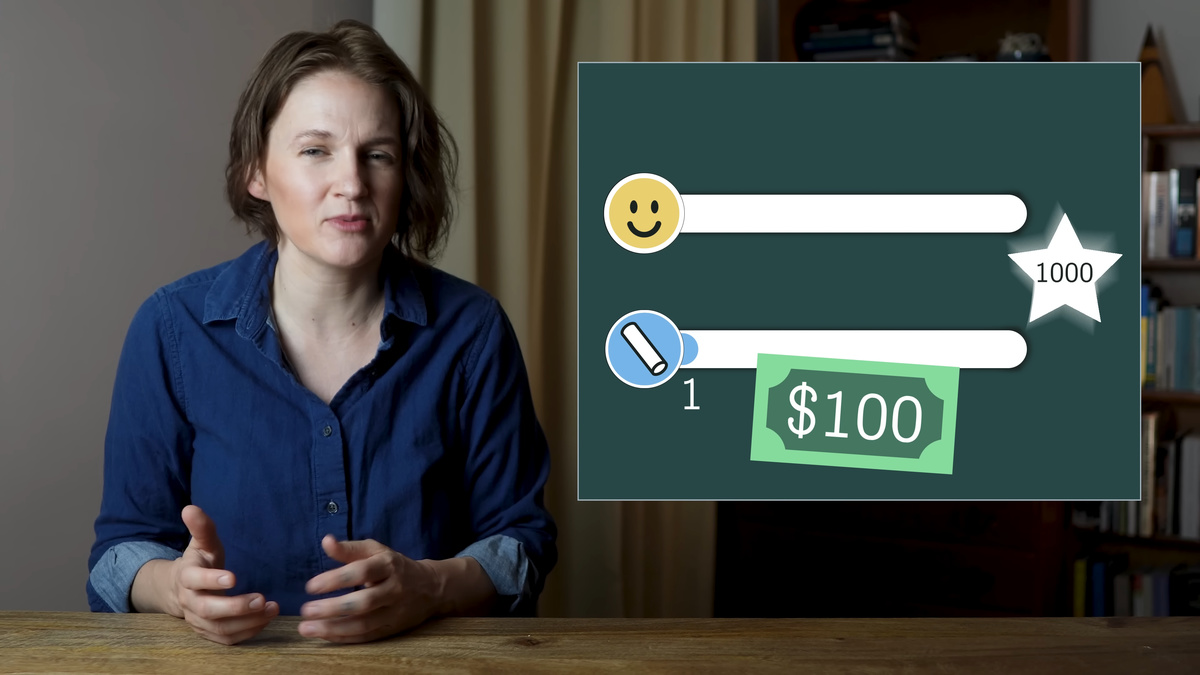
The first idea that comes to mind is to 'give the entire prize to the person currently leading in points.' However, if you consider a scenario in a game where the first player to reach 1000 points wins, where the person who scores the first point receives the entire prize, you realize that the distribution is extremely skewed and unfair, as the outcome of the game is still far from decided.
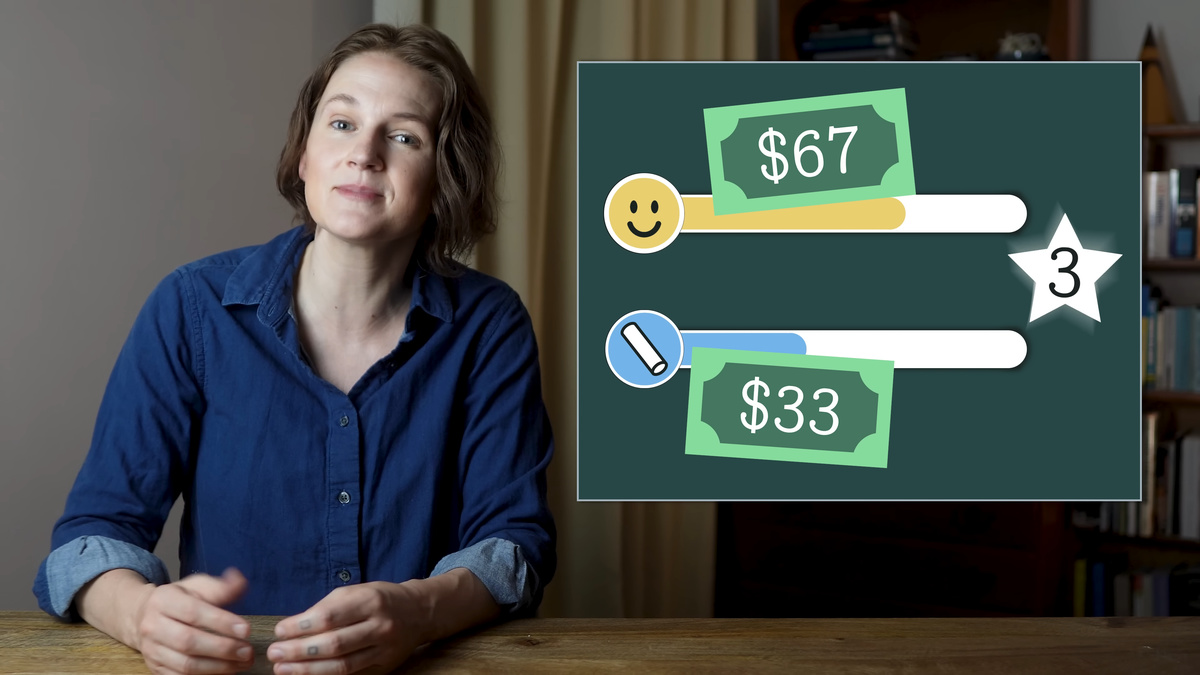
Next, the idea of 'dividing the winnings based on the ratio of the points earned so far' was proposed. If the ratio is 2 to 1, the winnings would be divided into approximately $67 and $33, which seems more reasonable than having one person take all.
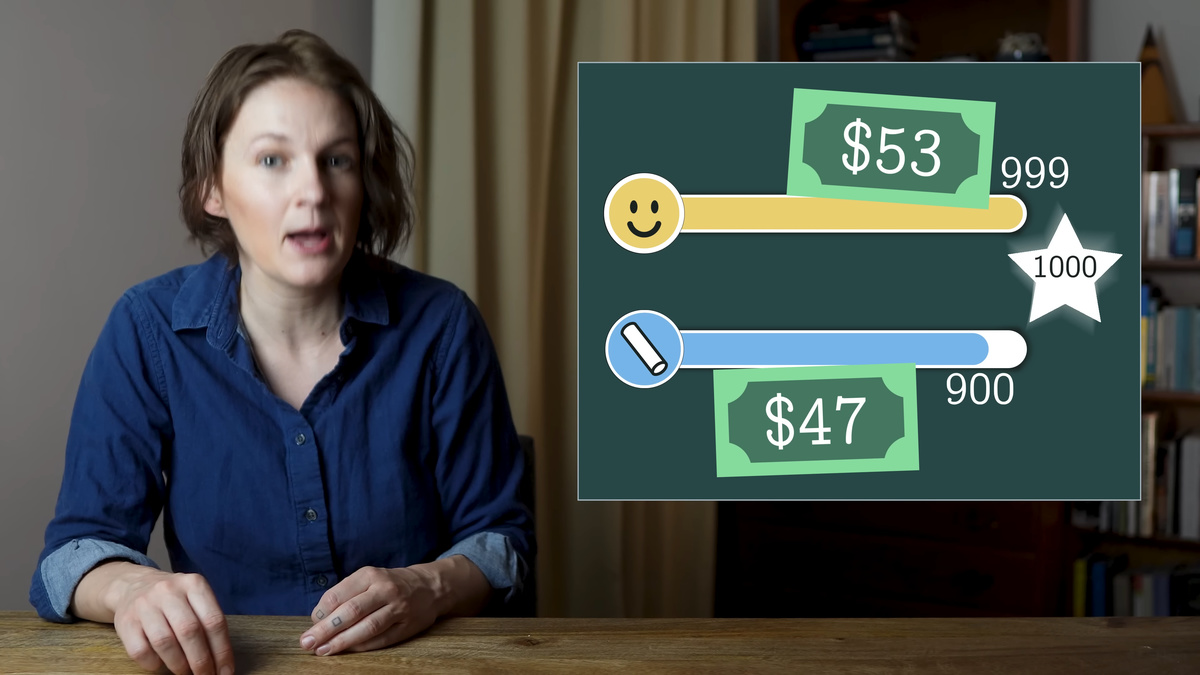
However, for example, in a game where the first to reach 1000 points wins, if the score is 999 to 900, the point ratio is almost 50/50, but in reality, the side with 999 points needs just one more point to win, and the side with 900 points needs to score 100 points in a row, so it doesn't really reflect the actual ease of winning.
The discussion then shifts to the idea that 'we should look at who is most likely to win going forward, rather than how many points have already been scored.' This line of reasoning was advanced by the 17th-century mathematicians
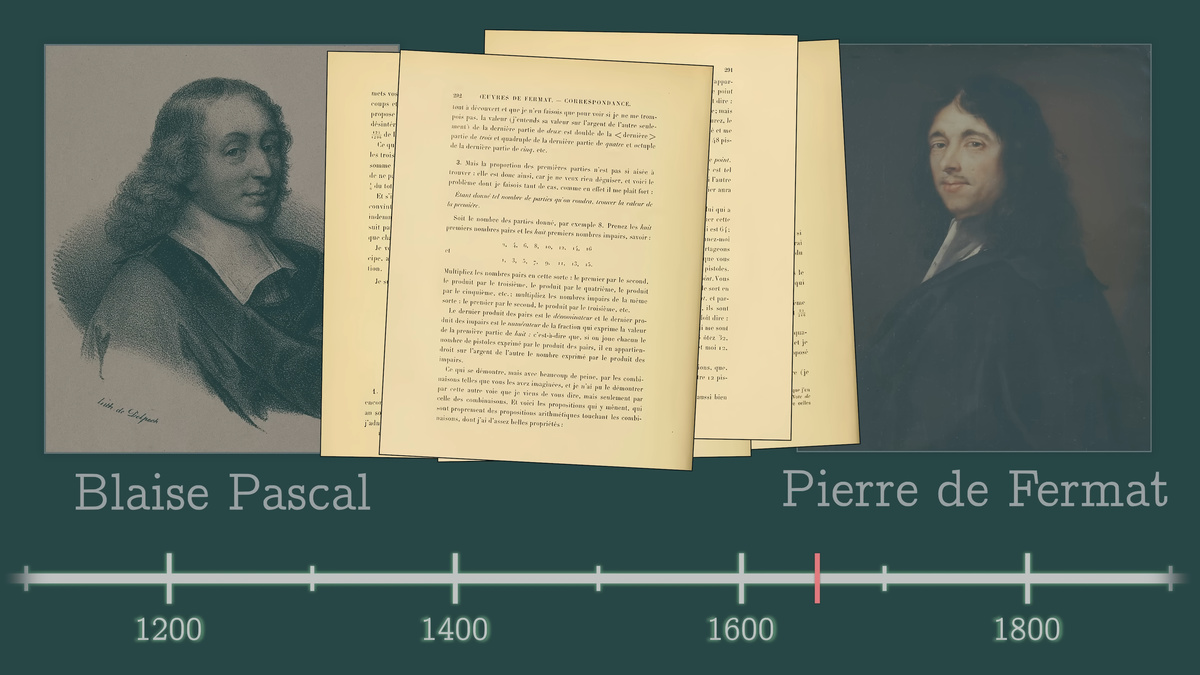
Fermat's method involves listing all possible future outcomes. In a game where the score is 2-1 and the first to reach 3 points wins, the remaining points are decided by a maximum of two coin tosses, resulting in 4 possible future outcomes. Of these, the 2-point side wins in 3 of the outcomes, and the 1-point side wins in 1, leading to the conclusion that a fair distribution is $75 to $25.
Pascal, on the other hand, arrives at the same conclusion in a more intuitive way. If he wins the next round, the entire $100 goes to his opponent, but if he loses the next round and it becomes a tie, then at that point, each of them gets $50. So, at least $50 is guaranteed to go to his opponent, and the remaining $50 is split 50/50 between them, so they each get $25, resulting in $75 to $25.
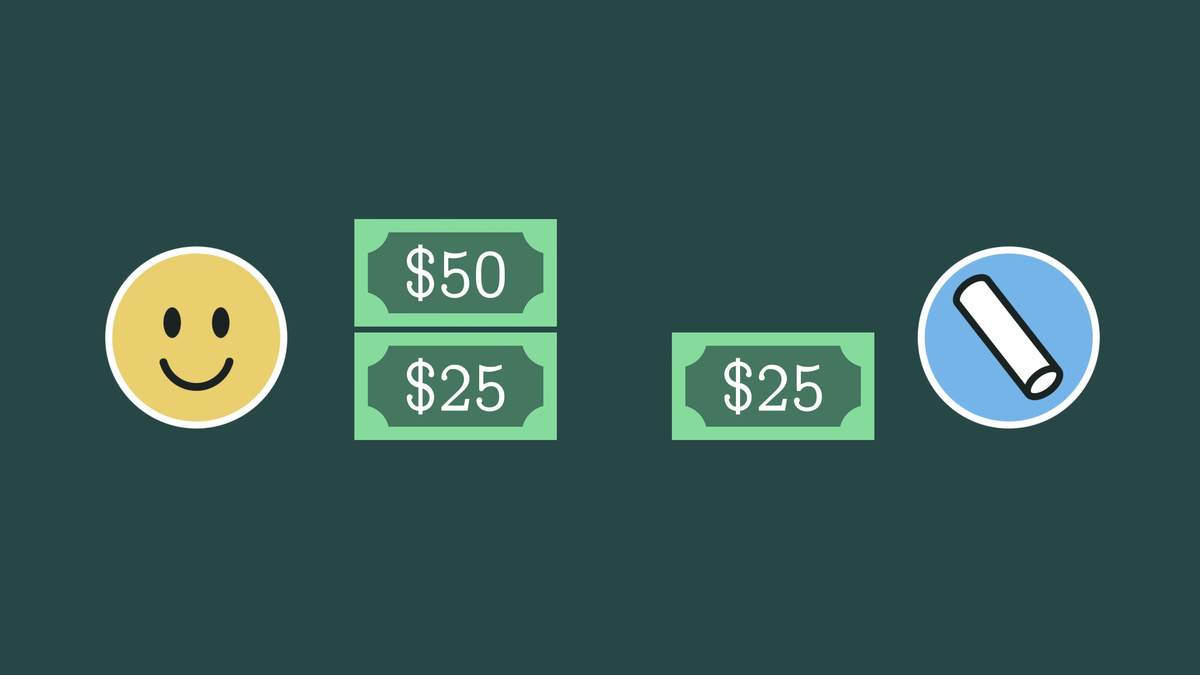
What's striking here is that instead of abstract formulas, the discussion proceeds with the feeling of how to actually divide a stack of bills, such as 'this $50 is definitely yours' and 'the remaining $50 is split 50/50.' Fairness remains the central theme throughout, and probability is merely a tool to express that fairness numerically.
Thus, Pascal and Fermat arrive at the same point, albeit from different perspectives. That point is 'expected value,' which later becomes a fundamental concept that extends to various everyday judgments.
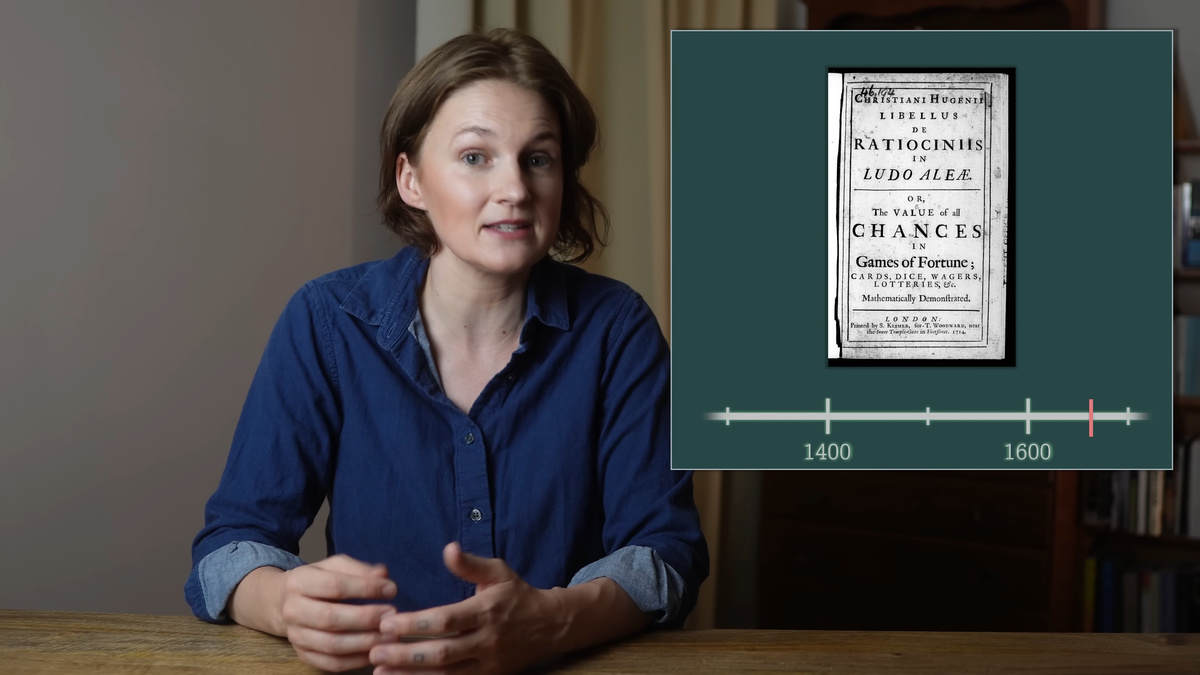
Expected value is calculated by multiplying the probability of each outcome by its value, and then summing them all up. For example, when spinning a roulette wheel with a chance to win a prize, the expected value represents 'how many dollars you will win on average.'
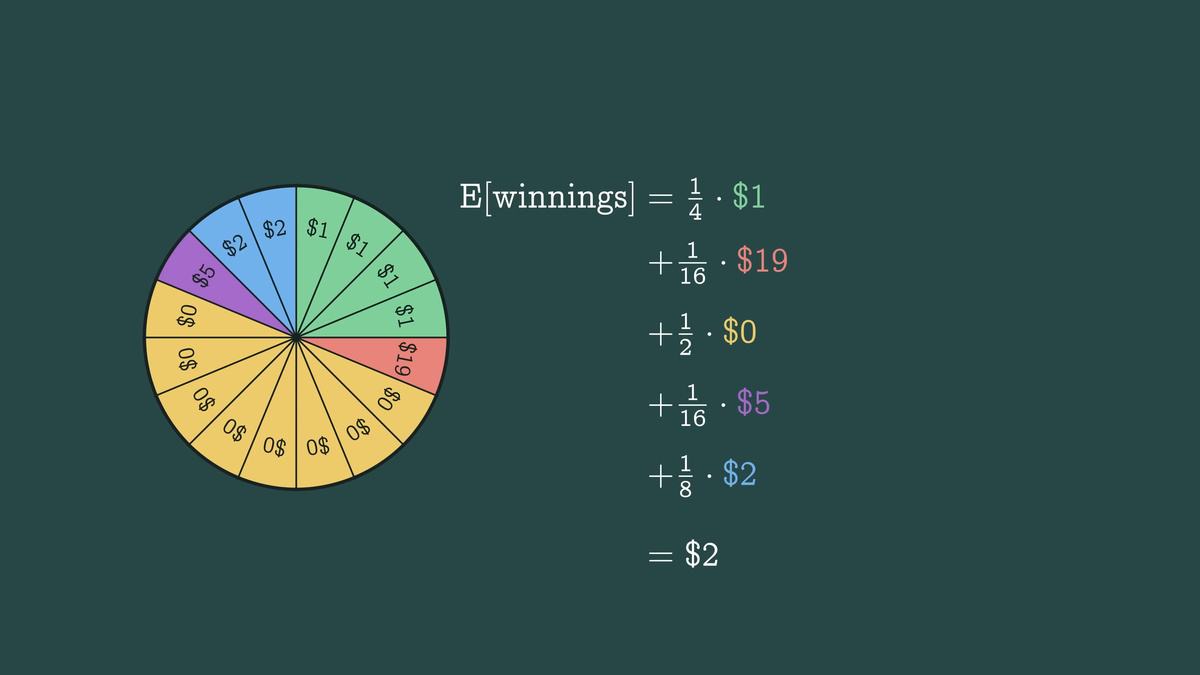
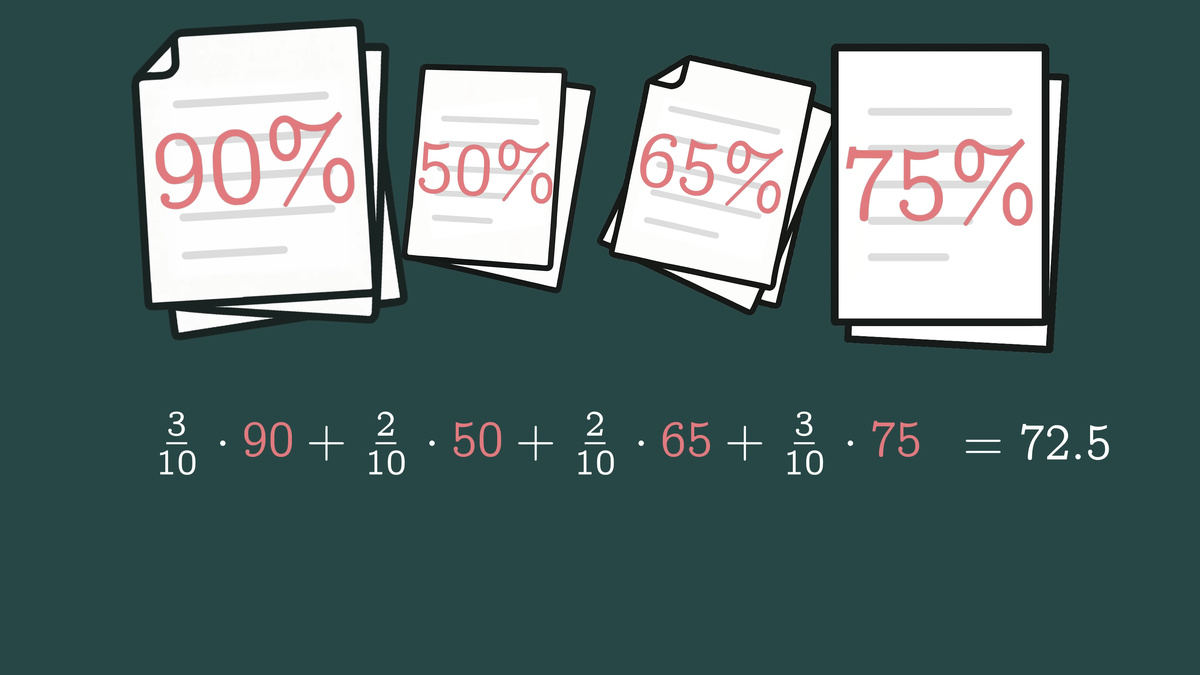
Expected value is not simply an average, but rather a 'weighted average.' Just as with the average score of an exam, if all scores have the same weight, it's a regular average, but if more important exams have greater weight, it becomes a weighted average, in expected value, those weights are 'probabilities.'
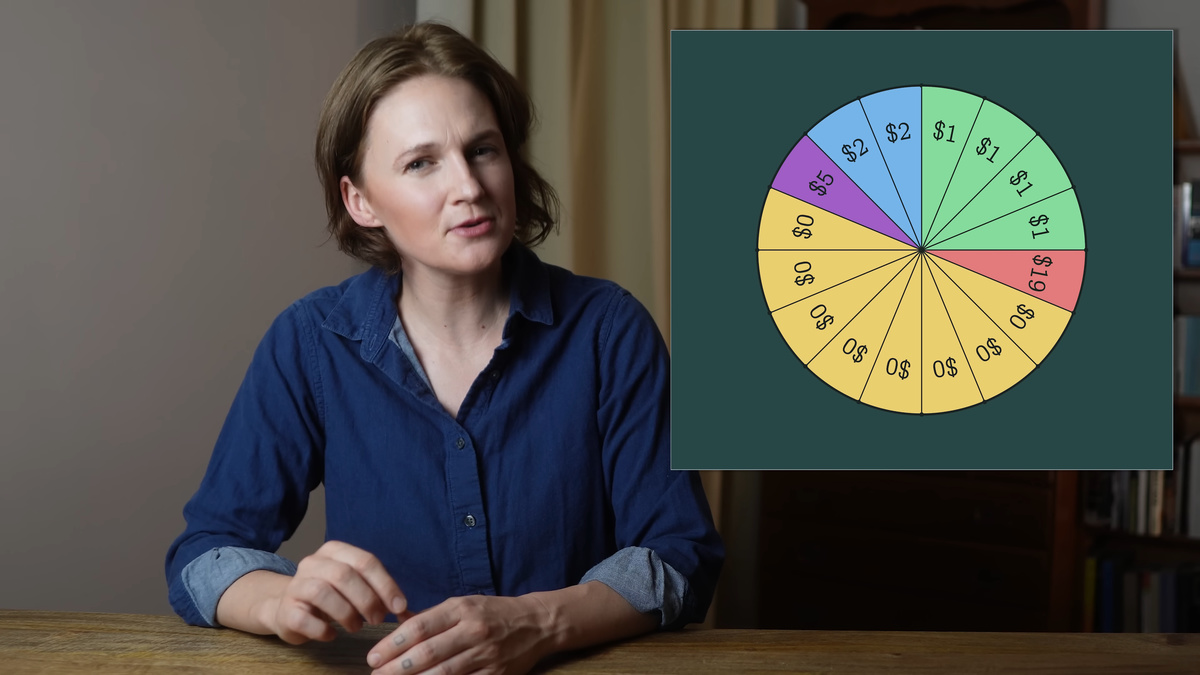
For example, if the expected value of one roulette spin is $2, then a $2 entry fee is a fair price. Similarly, in a suspended game, it is considered fair to divide the winnings according to how much each person is expected to receive on average in the future.
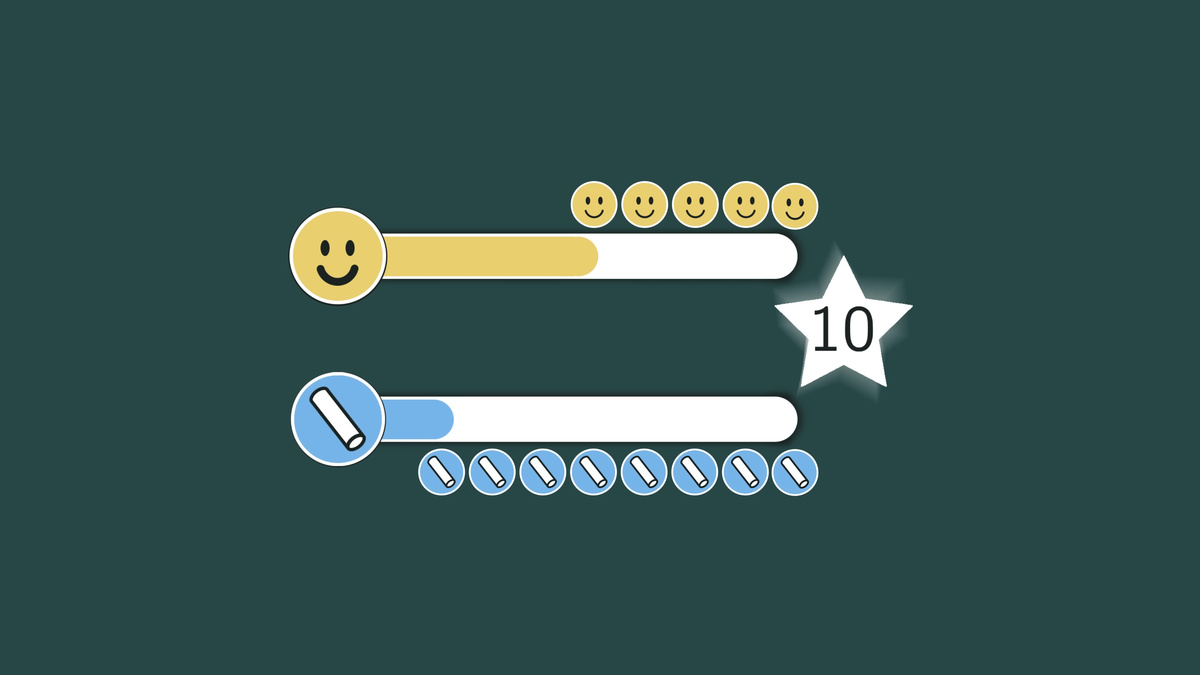
However, even if you understand the concept, the calculation is not simple. To find the expected value, you must first determine the probability of winning, and for that, combinatorial theory is necessary.
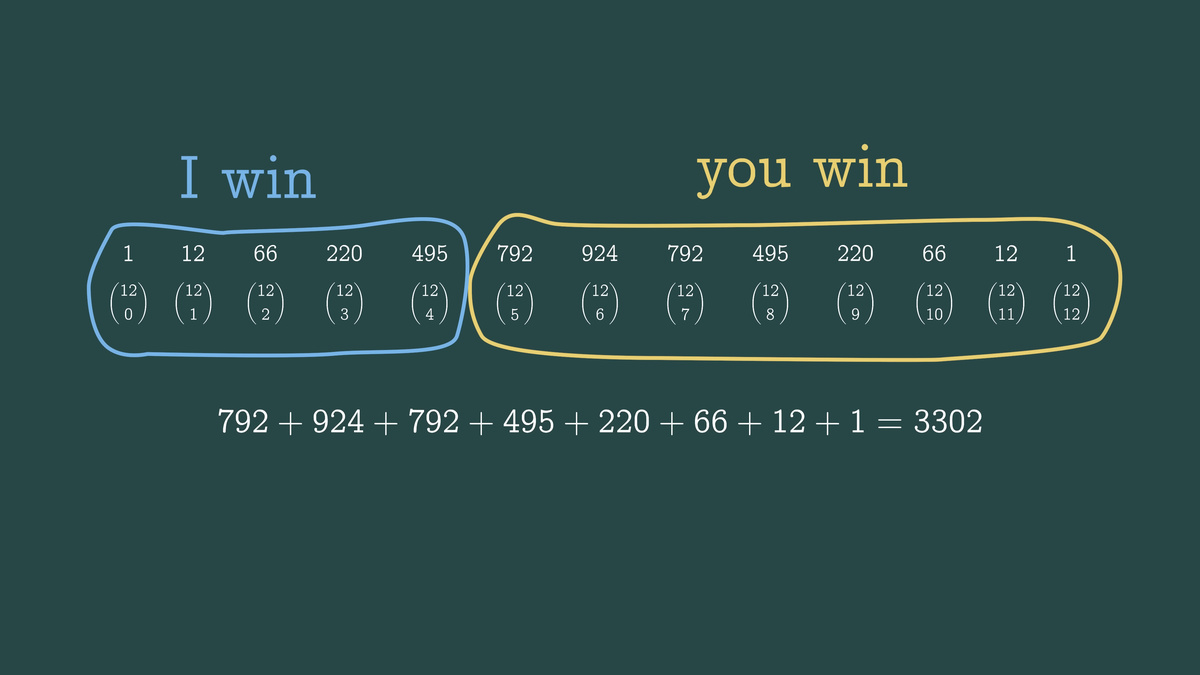
For example, imagine a game where one player has 5 points and the other has 2, and the first to reach 10 points wins. In this case, the opponent needs 5 more points and you need 8 more. Considering up to 12 coin tosses, one of you will always win, so by counting those 12 possible outcomes, you can calculate the winning percentage.
There are 2 to the power of 12, or 4096, possible outcomes in 12 coin tosses. Listing all of them would be tedious, so we'll move on to counting in groups: 'how many times do you win out of 12 tosses?'
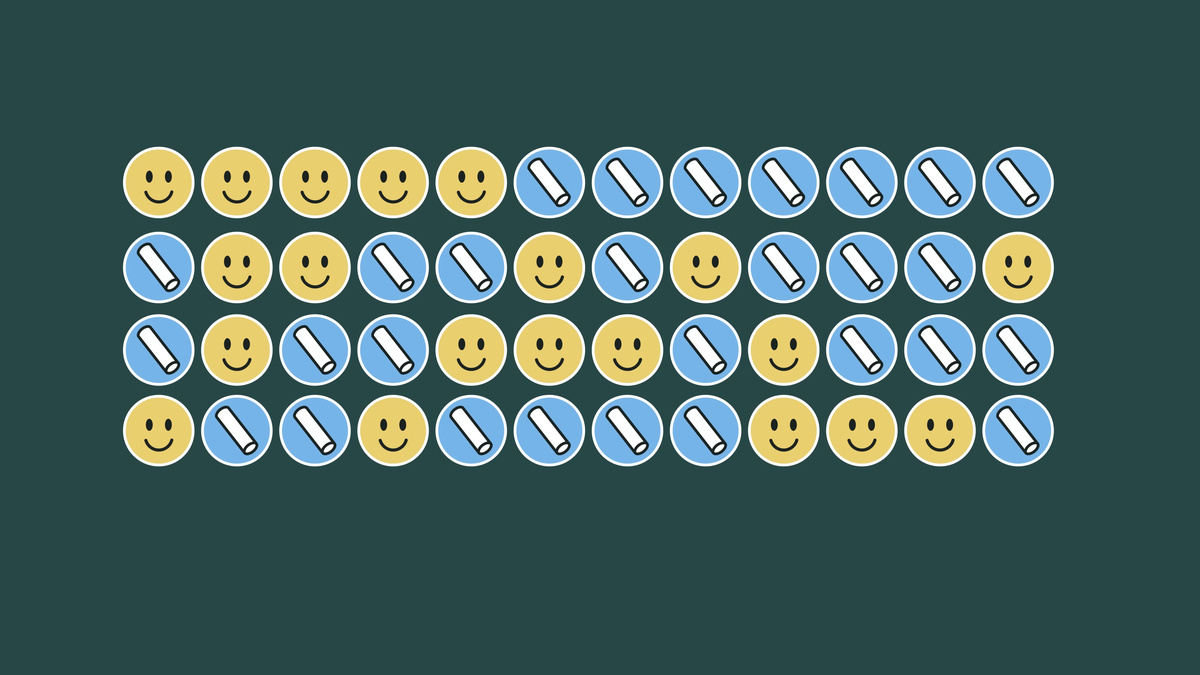
To count 'how many ways there are to win exactly 5 times out of 12' and 'how many ways there are to win 6 times,' we encounter
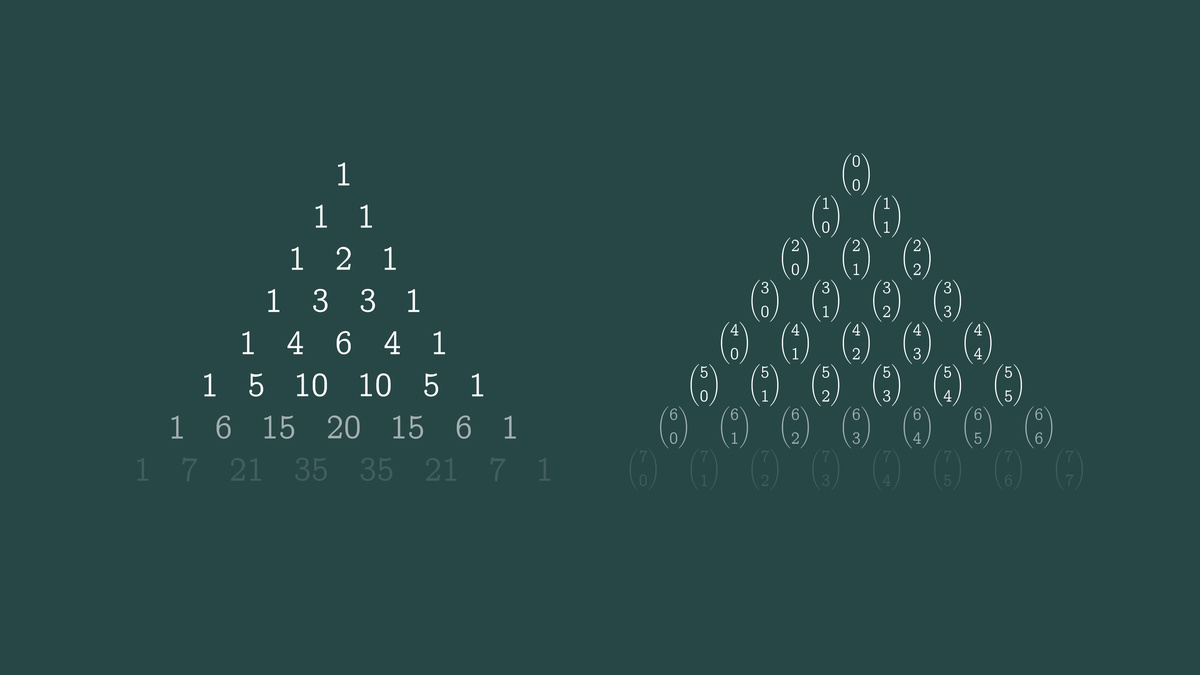
Since you need to win at least 5 out of 12 rounds to reach the required score, we add up the number of ways to win from 5 to 12 rounds. As a result, there are 3302 ways to win, which is about 80% of the total 4096 ways, so the expected payout is about $80.
Several years after their discussion on calculating expected value, Pascal and Fermat debated again on the topic of 'gambler's ruin.' This problem is characterized by the fact that the odds of winning each round are not 50/50, such as '5 out of 14 chance of winning and 9 out of 14 chance of losing.' At this time, Fermat had arrived at the correct answer for the player's final winning probability, but, as with the other problem , he did not write an explanation of how he arrived at it in his letter.
Related Posts: