Soil fungi may be playing a role in making it rain.

Even though natural environments and ecosystems may seem completely unrelated at first glance, they actually influence each other closely. New research has revealed that a type of fungus living in the soil may be producing a protein that helps to bring rain, thus contributing to rainfall.
A previously unrecognized class of fungal ice-nucleating proteins with bacterial ancestry | Science Advances
How hidden soil fungi 'steal' bacterial DNA to control the rain
https://theconversation.com/how-hidden-soil-fungi-steal-bacterial-dna-to-control-the-rain-279618
Diana Andrade-Linares, a postdoctoral researcher at the University of Limerick in Ireland, says that in order to explain examples of how microorganisms affect rain, it is necessary to first understand how clouds turn into rain.
Generally, water begins to freeze at 0 degrees Celsius, but in the upper atmosphere, water does not necessarily freeze even at temperatures far below 0 degrees, and can remain in its liquid state even at extremely low temperatures of -40 degrees Celsius. This state of water is called 'supercooled water,' and it will turn into ice if subjected to vibration or if it attaches to 'seeds' such as dust, but in the upper atmosphere, where there are few such impurities, it is difficult for ice to form and the water continues to exist in its liquid state.
For clouds to turn into rain or snow, they need something to act as a 'seed' to turn this supercooled water into ice. When water molecules attach to these and form ice crystals, they eventually become too heavy for the updrafts to support, causing them to fall and either fall as snow or melt along the way and fall as rain.
Things that act as 'seeds' to bring rain include dust, soot, and salt, which are carried to the clouds by the wind. However, Andrade-Linares says that the temperature needs to be very low for these particles to start working, and therefore the effect is not very strong.
Scientists have known for decades that some bacteria, including
Ice nucleation-activating proteins act as 'seeds' that promote ice formation, turning supercooled water into ice at temperatures higher than normal. Pseudomonas syringae causes frost damage by turning nearby supercooled water into ice, thereby damaging surrounding plants and utilizing nutrients from their tissues.
A new paper published in the academic journal Science Advances reveals that it is not bacteria, but fungi such as Fusarium and Mucor that release ice nucleation-activating proteins into the surrounding soil. Andrade-Linares explains that the ice nucleation-activating proteins produced by these fungi are water-soluble, smaller than those produced by bacteria, and more effectively convert cloud water into ice.
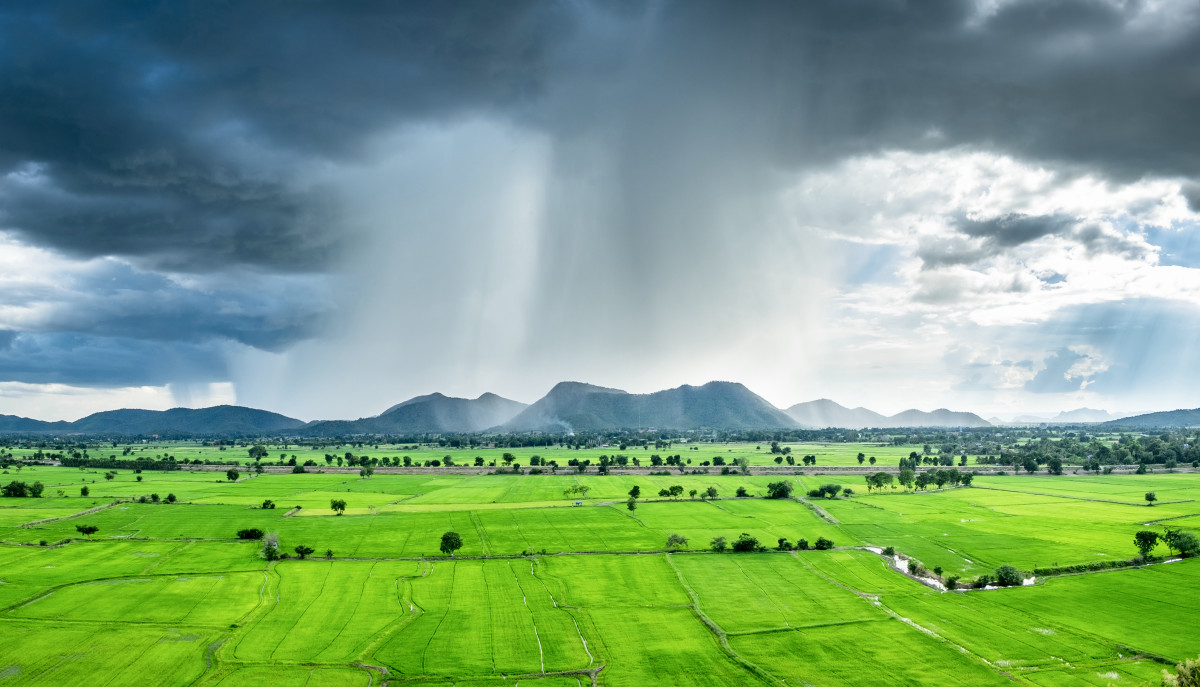
The ice nucleation-activating proteins produced by fungi, after being released into the soil, are carried by wind and other forces to clouds where they function as powerful 'seeds.' These ice nucleation-activating proteins can force supercooled water to freeze and produce rain, even in relatively warm clouds above -5 degrees Celsius. In other words, the production of ice nucleation-activating proteins by fungi leads to the following feedback loop:
1: Fungi grow in moist soil in forests.
2: Ice nucleation-activating proteins produced by the fungus are released into the air.
3. Ice nucleation-activated proteins cause rain to fall, supplying water to the forest soil.
4: Rain causes even more fungi to grow, returning the cycle to '1'.
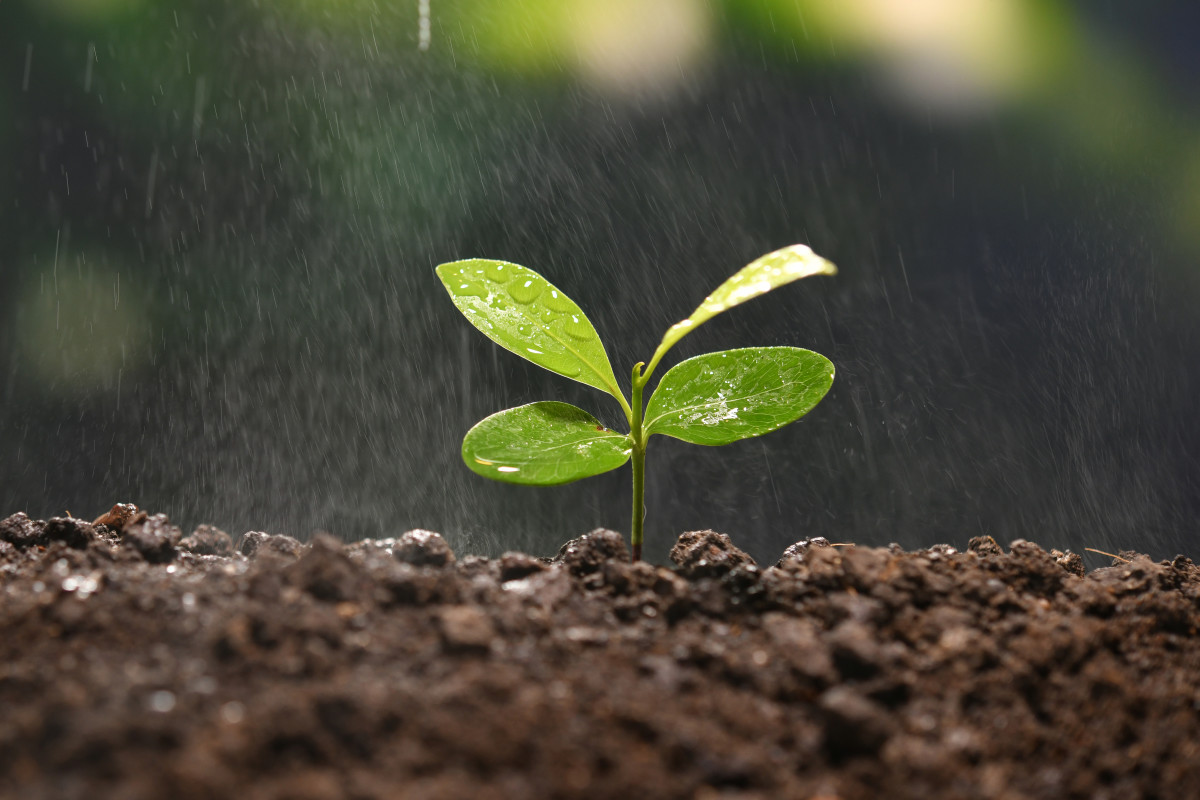
While Pseudomonas syringae uses ice to attack surrounding plants, the ice-nucleating proteins released by the fungus help protect plants from harsh environments and create nutrient-rich conditions where rain can fall and both can thrive. 'This is a missing piece in the puzzle of how life and global climates influence each other. This ability to create ice probably gives fungi a survival advantage,' says Andrade-Linares.
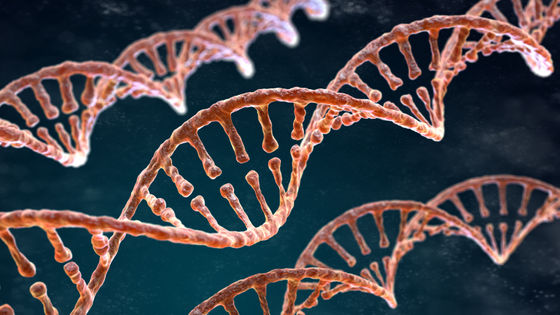
This study also revealed that the mold *Mucus rottenus* did not evolve its ability to produce ice nucleation-activating proteins on its own, but acquired them millions of years ago through horizontal gene transfer . Horizontal gene transfer is like a biological copy-and-paste process, where microorganisms exchange fragments of their genetic code with neighboring microorganisms, instantly acquiring new traits. The fungus acquired the genes of bacteria that already possessed the ability to produce ice nucleation-activating proteins, and thus began producing them itself.
This discovery—that soil fungi produce ice-nucleating proteins that help bring rain—could change researchers' perspectives on conservation. When forests are cut down, not only are trees lost, but these fungi and ice-nucleating proteins in the soil are also lost, potentially disrupting the biological mechanisms that bring rain to the area.
Andrade-Linares stated, 'As climate change progresses and droughts become more frequent, understanding these fungal ice nucleation-activating proteins will be extremely important. In the future, it may be possible to use these naturally occurring, biodegradable proteins for 'artificial rain' to bring rain.'
Related Posts: