Global memory supply is expected to only meet 60% of demand by 2027, and by mid-2026, memory will account for approximately 40% of the manufacturing cost of low-cost smartphones.
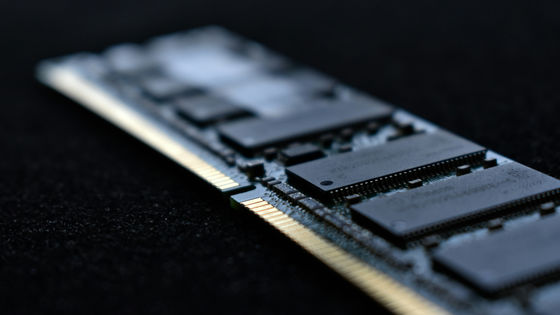
Semiconductor giants Samsung, SK Hynik, and Micron, which account for approximately 90% of
The RAM shortage could last years | The Verge
https://www.theverge.com/ai-artificial-intelligence/914672/the-ram-shortage-could-last-years
Global Memory Shortage to Hit Smartphones and Macs Until 2027 as AI Drains Supply - iClarified
https://www.iclarified.com/100587/global-memory-shortage-to-hit-smartphones-and-macs-until-2027-as-ai-drains-supply
Samsung, SK Hynix Chase AI Memory as Buyers Wait
https://www.implicator.ai/samsung-sk-hynix-and-micron-chase-ai-memory-as-buyers-wait-to-2027/
Samsung, SK Hynix, and Micron, the world's largest memory manufacturers, are all working to increase their manufacturing capacity. However, most of these facilities are not expected to be operational until 2027, or at the latest, 2028. In fact, the SK Group opened a new factory in Cheongju, South Korea, in February 2026, but it seems that only SK Hynix's Cheongju factory will see an increase in production volume in 2026, even when including all three companies: Samsung, SK Hynix, and Micron.
Samsung is expanding its production capacity by building a new DRAM production line at its fourth factory in Pyeongtaek, Gyeonggi Province, but this line will produce high-bandwidth memory (HBM) for AI applications. Although it is scheduled to begin operations in 2026, mass production is another matter, and improvements in yield are not expected until 2027 or later.
According to a report by the Nikkei Shimbun, existing production plans can only meet 60% of semiconductor demand, and to meet 100% of demand, semiconductor production needs to increase by 12% annually in 2026 and 2027. However, according to market research firm Counterpoint Research, the production expansion plans that semiconductor manufacturers are planning are expected to result in an increase of only 7.5%.
According to forecasts by market research firm TrendForce, DRAM contract prices are expected to rise by 58-63% in the second quarter of 2026 (April-June), while NAND flash memory contract prices are projected to increase by as much as 70-75%.

Another problem is that many of the new factories being built by semiconductor manufacturers are focused solely on producing HBM, which is used in AI data centers. Companies are already prioritizing HBM over general-purpose DRAM used in computers and smartphones. As a result, it is unclear how much these new factories will alleviate the price increases facing consumer electronics, as pointed out by technology media outlet The Verge. The chairman of South Korea's SK Group has also mentioned that the semiconductor shortage could continue until 2030.
DIGITIMES reports that AI giant OpenAI is trying to secure a direct supply route for HBM by signing a supply agreement with Samsung. OpenAI plans to receive a large quantity of 12-layer HBM4 products from Samsung in the second half of 2026 alone, and has already signed supply agreements with Micron as well as Samsung.
Furthermore, due to memory shortages, the price of general-purpose memory used in smartphones and PCs has skyrocketed, with contract prices in the first quarter of 2026 alone reportedly rising by 90% compared to the previous quarter. As of the time of writing, memory accounts for approximately 20% of the manufacturing cost of entry-level smartphones, but it has been pointed out that this percentage could rise to nearly 40% by mid-2026.
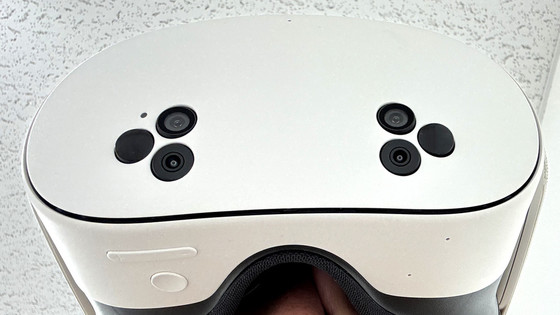
As a result, products ranging from smartphones and laptops to VR headsets and portable game consoles are suffering from memory shortages, forcing manufacturers to raise their prices.
OPPO and OnePlus announce price increases for existing smartphones due to soaring prices caused by global memory supply shortage - GIGAZINE

Meta raises price of 'Quest 3' due to soaring memory prices - GIGAZINE
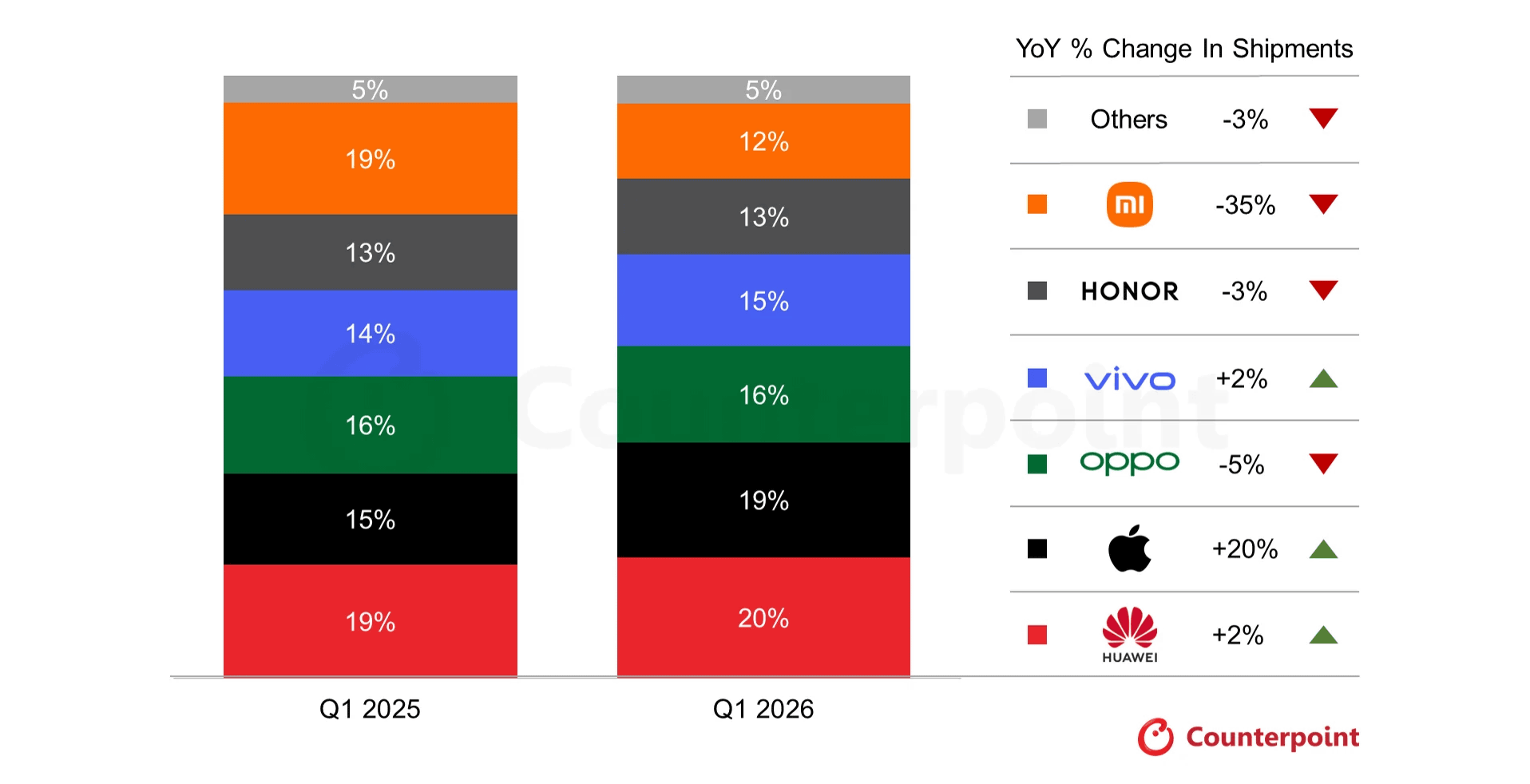
The impact of memory shortages is already being felt in the smartphone market. According to market research firm Counterpoint Research, smartphone shipments in China in the first quarter of 2026 (January-March) are down 4% compared to the same period last year.
Xiaomi and Apple saw particularly significant changes in smartphone shipments in China during the first quarter of 2026. Xiaomi recorded a 35% decrease compared to the same period last year, while Apple recorded a 20% increase in shipments. Huawei remains the top smartphone manufacturer in China with a 20% market share, followed closely by Apple with 19%.
Meanwhile, a survey by Counterpoint Research revealed that smartphone shipments in India in the first quarter of 2026 also fell by 3% compared to the same period last year. It is pointed out that demand has been sluggish due to an average price increase of 15% for more than 80 smartphone models in India. Apple continues to perform well in India, driven by strong demand for the iPhone 17 series, and its smartphone shipment share has reached 9%. In addition, Google has also recorded strong shipments, up 39% year-on-year.
Related Posts:



in Hardware, Posted by logu_ii