Kale and cabbage may transform toxic soil into a new source of thallium, a metal with various applications.
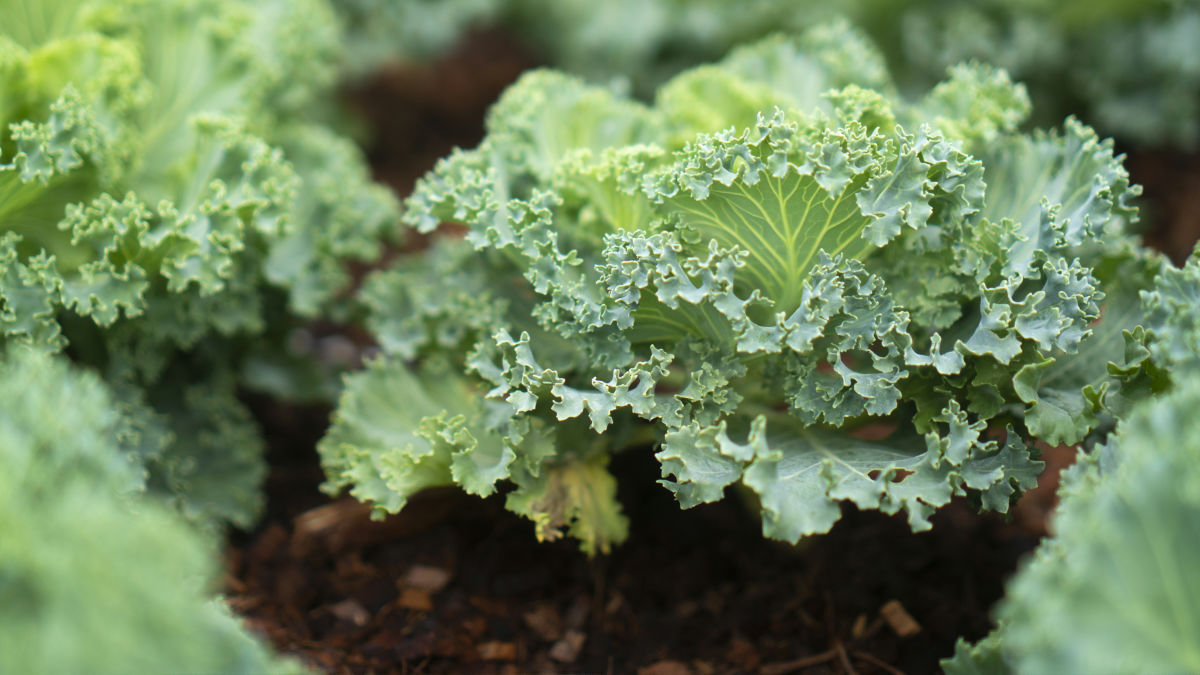
nature of thallium crystals in Brassica oleracea (kale): a synchrotron multi-technique investigation | Metallomics | Oxford Academic
https://academic.oup.com/metallomics/article/18/1/mfag010/8494855?login=false
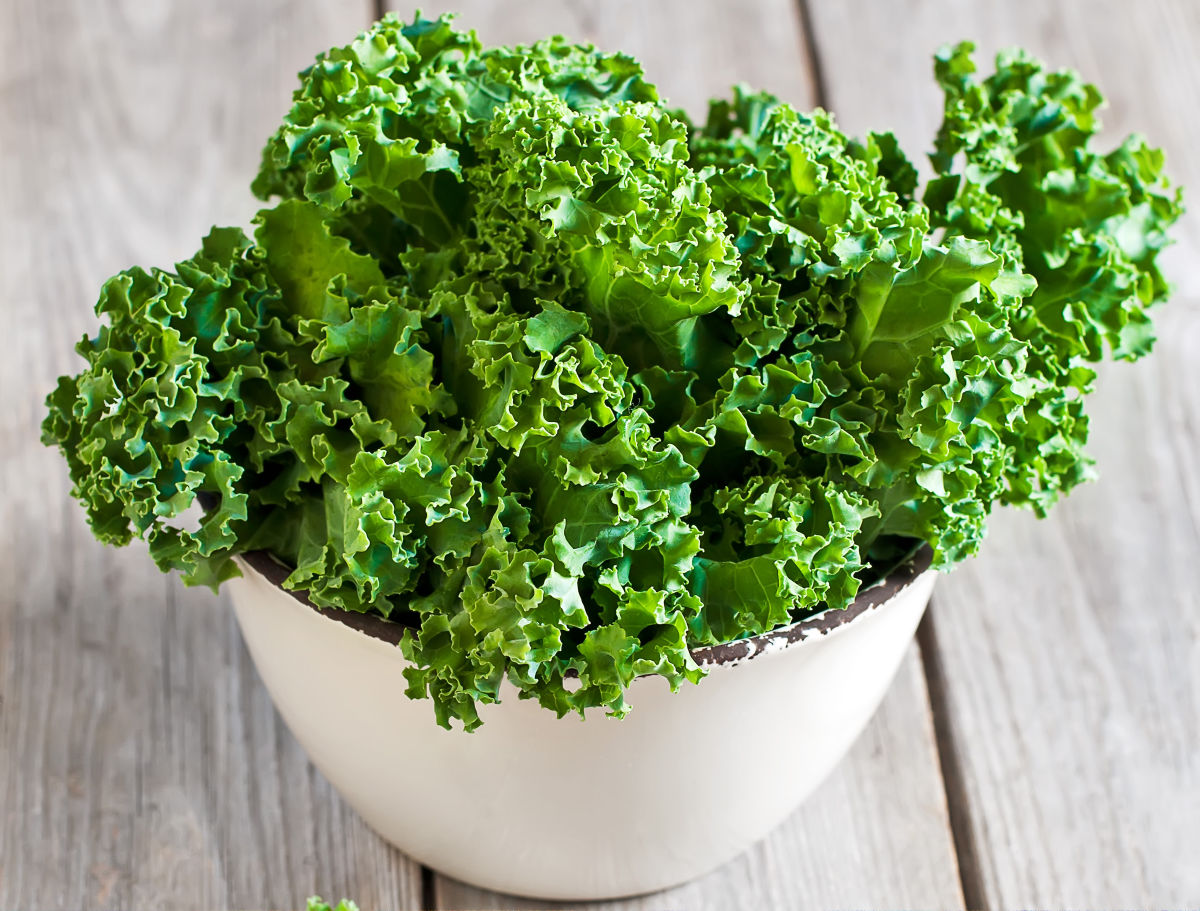
Kale, cabbage, and broccoli could turn toxic soil into a new source of critical thallium metal
https://techxplore.com/news/2026-04-kale-cabbage-broccoli-toxic-soil.html
Cruciferous vegetables such as kale and cabbage are known to accumulate excessive amounts of thallium when grown in contaminated soil, and are being monitored for potential risks to consumers and the environment. However, despite this awareness, there is a lack of research into the mechanisms by which cruciferous vegetables absorb thallium and the possibility of extracting thallium by utilizing this characteristic.
Dr. Amelia Corso-Remigio, who studies metal accumulation in plants at the University of Queensland in Australia, says, 'Thallium is a highly toxic substance, but it is also a valuable and industrially important metal used in medical technology, optical glass, and semiconductors. In other words, while many of these cruciferous plants pose significant health risks to humans, they may hold clear potential in sustainable mining.'
Some plants have the ability to absorb heavy metals from the soil, and the extraction of minerals using plants with this property is called phytomining . Phytomining is a low-cost and environmentally friendly method that has the potential to recover industrially important metals such as rare metals, and is expected to help improve the stability of the metal supply.
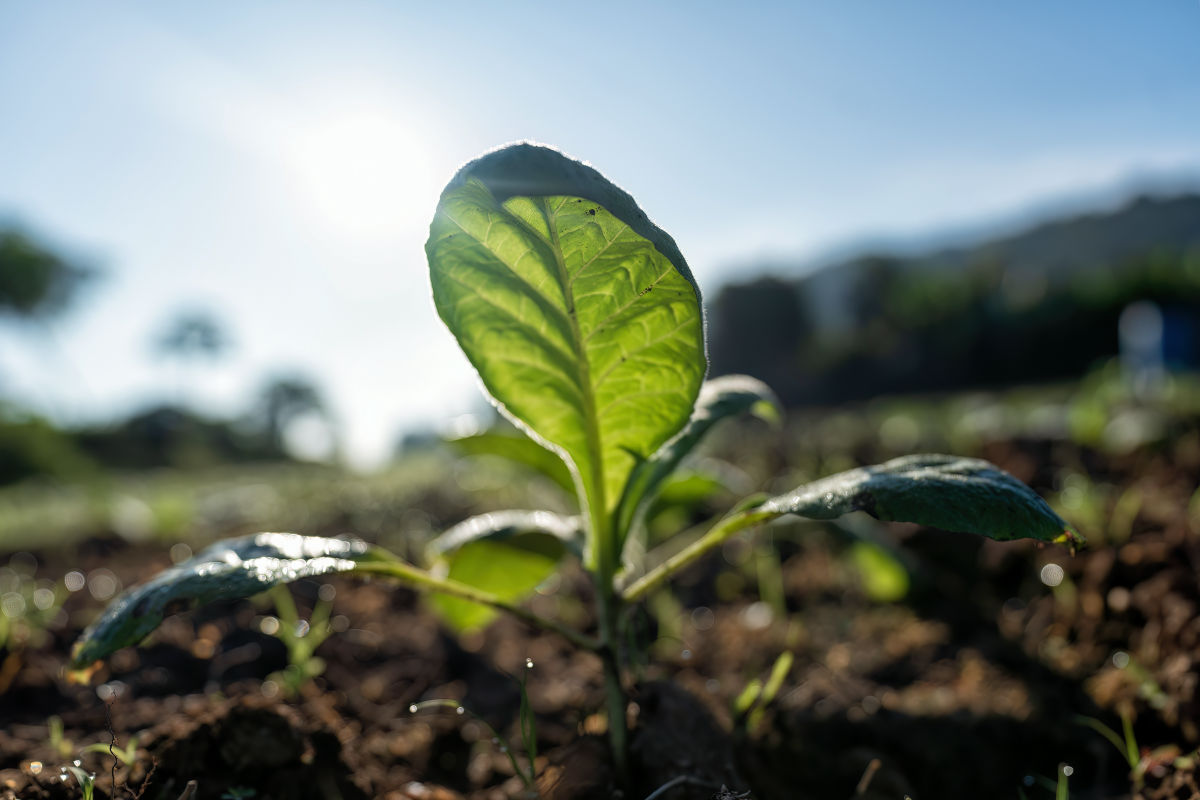
In this study, Dr. Corso-Remigio and his research team used living kale to perform micro-X-ray
The analysis revealed an unprecedented level of detail in the distribution and location of thallium in kale. Thallium in kale was concentrated near the leaf veins , primarily in the form of thallium chloride crystals . This is thought to be one way for the leaves to excrete excess thallium, similar to the tolerance mechanism by which halophytes , which can tolerate high concentrations of salt, excrete salt.
Dr. Corso-Remigio commented, 'We discovered that thallium chloride crystals are deposited, particularly along the veins inside the leaves. This suggests the potential for phytomining and, by extension, a sustainable supply of thallium. There is a dual need to restore and regenerate the soil while simultaneously supplying essential elements in the most sustainable way possible. It appears that cruciferous plants may be part of the solution.'
Related Posts:



in Science, Posted by log1h_ik