Backblaze's early storage case, 'Storage Pod 1.0,' will be donated to the Computer History Museum.
Backblaze, Part of Computer History
https://www.backblaze.com/blog/backblaze-part-of-computer-history/
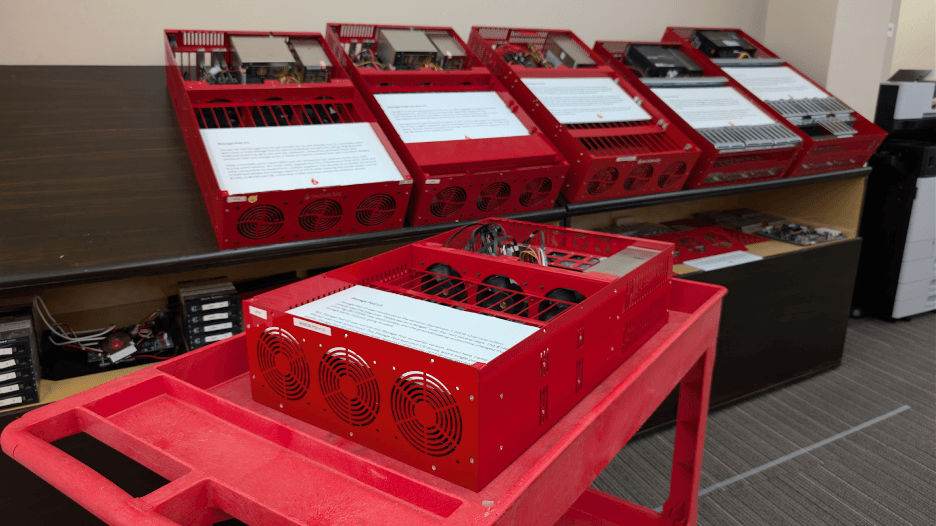
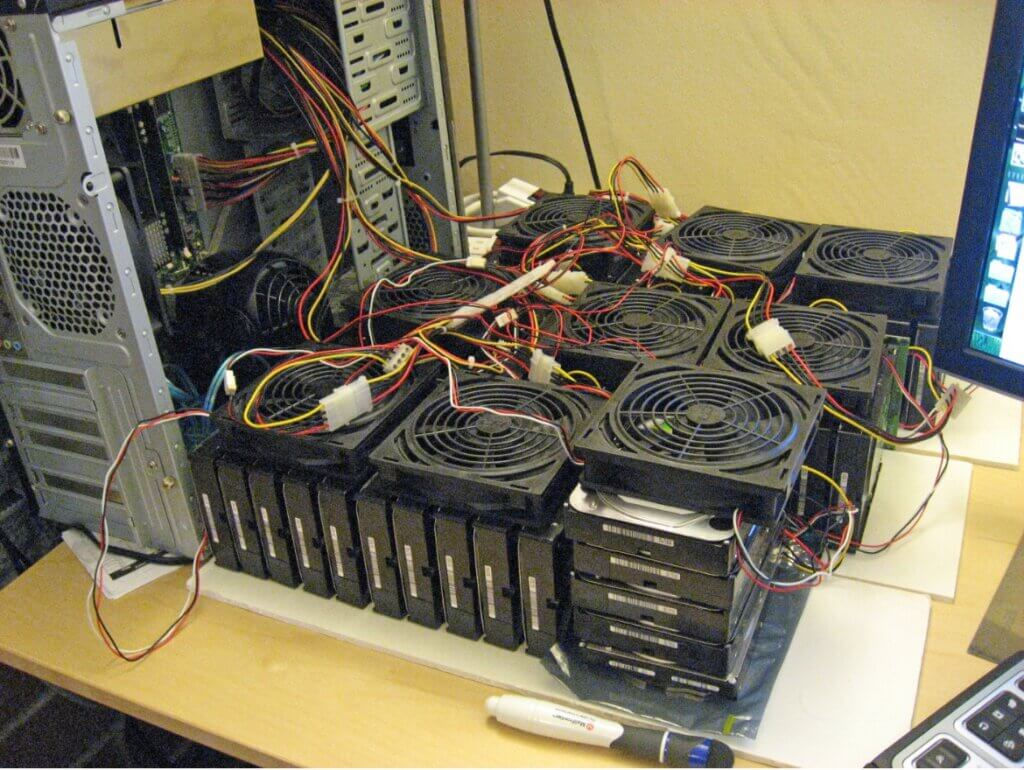
Backblaze operates its cloud storage using 'Storage Pods,' which combine multiple storage devices into a single container. According to founder Brian Wilson, the initial members were mainly software engineers, and the earliest Storage Pods were prototypes made on office desks. Later, the first sheet metal Storage Pods were created through communication solely via email and phone with a metalworking company.
The following is a prototype of a storage pod that never made it to market. The idea of 'installing a power button' was completely overlooked, so after completion, one of the co-founders had to use a screwdriver to widen the ventilation holes and install the power button. The prototype was actually used in a data center for several years and operated without any problems.
Founded in 2007, Backblaze published a blog post on September 1, 2009, titled '
As Backblaze grew, the term 'cheap cloud storage' fell out of use, but the article written in 2009 influenced many companies and developers. Backblaze stated, 'Our storage pods were not just boxes filled with drives; they were proof that infrastructure innovation doesn't have to come from multi-billion dollar labs. Sometimes it comes from engineers with original and unconventional ideas.'
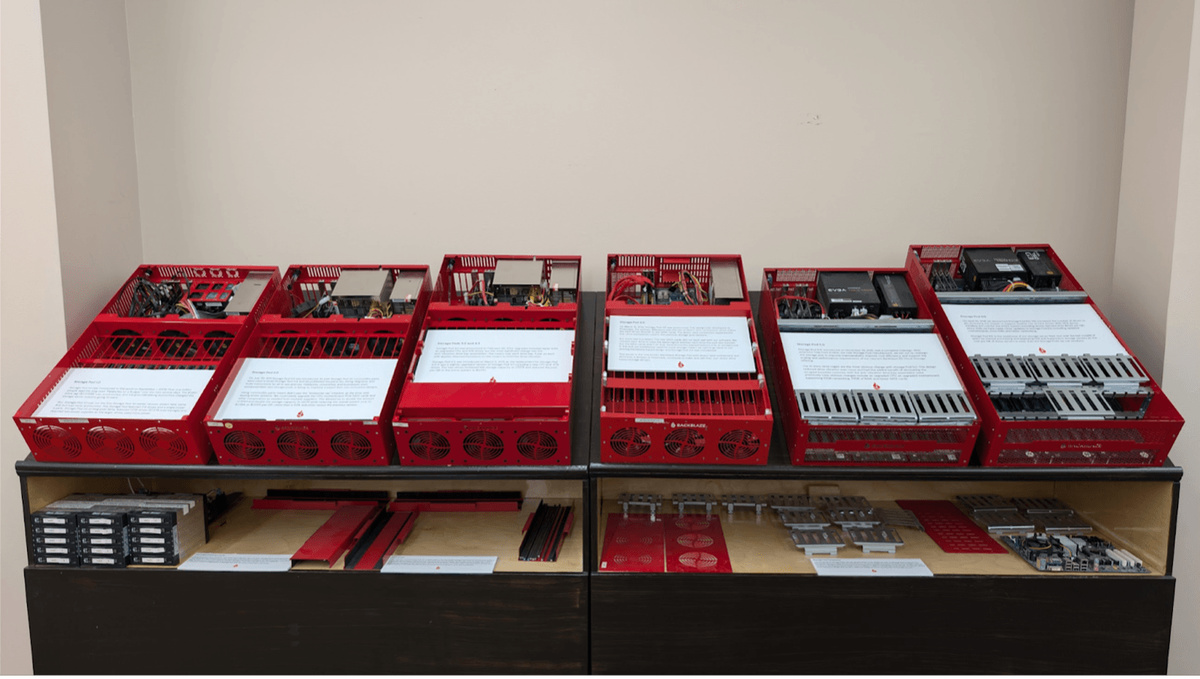
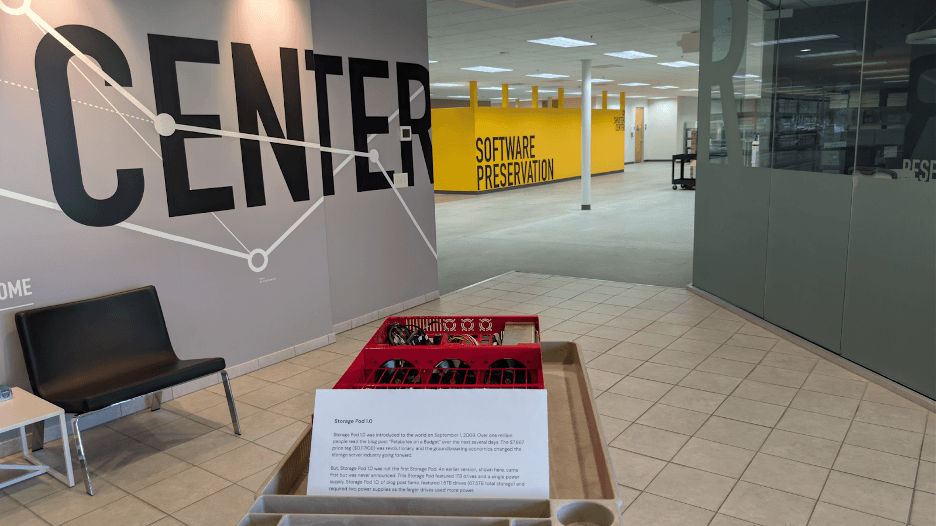
Backblaze has a space within its offices to display its early storage pods, which include storage pods from version 1 to version 6, as well as early RAID arrays used for system testing.
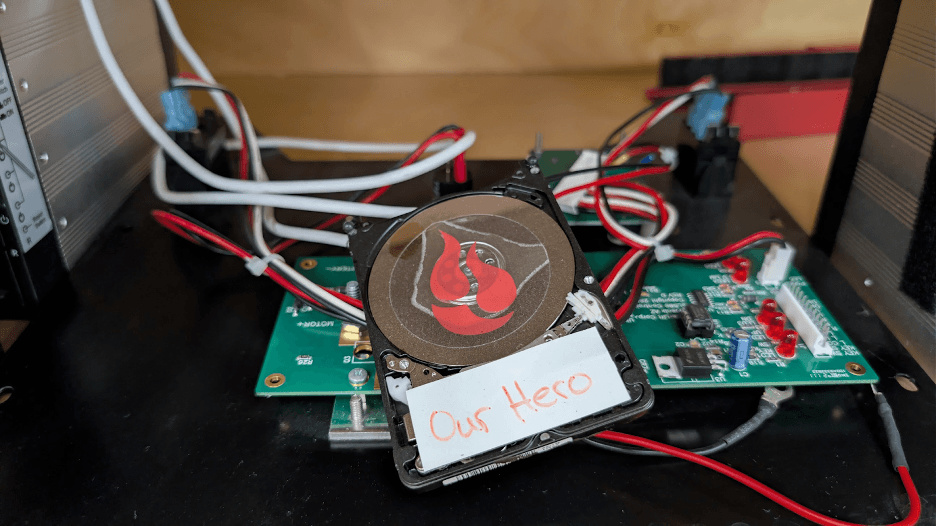
One of the early experimental devices is inscribed with the words 'Our Hero.'
Backblaze transitioned to a fully remote work system in mid-January 2026, and items that were displayed in the company's exhibition space were moved to storage. So, they thought, 'Isn't there a more interesting way to use these items than just leaving them in storage?' and came up with the idea of donating them to the Computer History Museum.
Backblaze contacted the Computer History Museum to inquire about acquiring one of their early storage pods. As a result, 'ul010,' one of the early storage pods, was officially accepted as a candidate for acquisition and, after a final review, was selected to be added to the museum's exhibition collection.
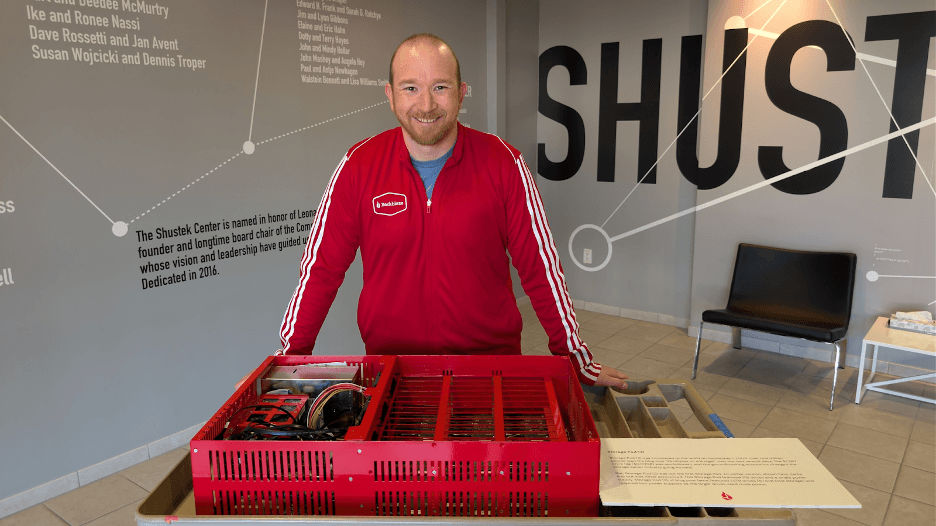
Doug Spicer, Senior Curator at the Computer History Museum, said, 'When Backblaze was founded in 2007, its goal was to provide unlimited cloud backup storage for $5 a month. The first product was the hardware-dependent Storage Pod 1.0, which revolutionized the technology by using commercially available components and proprietary software, defying the conventional wisdom of the time. Backblaze sparked the 'open hardware' revolution by making its blueprints public, proving that high-density enterprise storage could be built at a fraction of the cost of traditional methods. We are honored to be able to preserve this original unit.'
Yev Pusin, head of communications and community at Backblaze, said, 'The storage pods we donated once held backup data encompassing every aspect of our customers' lives, stories, and work. And they are symbolic of our story. Working late into the night, taking bold gambles, and sticking to our belief in innovation—that was the driving force behind Backblaze's founders in the first place. We sincerely hope that the storage pods being displayed at the Computer History Museum will inspire the next generation of innovators.'
Related Posts:

in Hardware, Posted by log1e_dh