Review of Audio-Technica's super-directional shotgun microphones 'ATV-SG1LE' and 'ATV-SG1,' which can be attached to cameras and concentrate on picking up sound from a specific direction.
At GIGAZINE, the editorial team often uses cameras to record our hands while reviewing products, but this frequently results in background noise such as footsteps, rustling clothes, and ventilation fans being picked up. So, we were looking for a microphone that could reliably capture sounds from the direction the camera is pointed, and that's when Audio-Technica released the ' ATV-SG1LE ' and ' ATV-SG1, ' highly directional microphones that can be attached to a camera. Curious about what kind of microphones they were, we borrowed some from Audio-Technica and tested them out.
ATV-SG1LE | Microphone: Condenser Microphone | Audio-Technica
ATV-SG1 | Microphone: Condenser Microphone | Audio-Technica
https://www.audio-technica.co.jp/product/ATV-SG1
◆Unboxing and exterior check of ATV-SG1LE/ATV-SG1
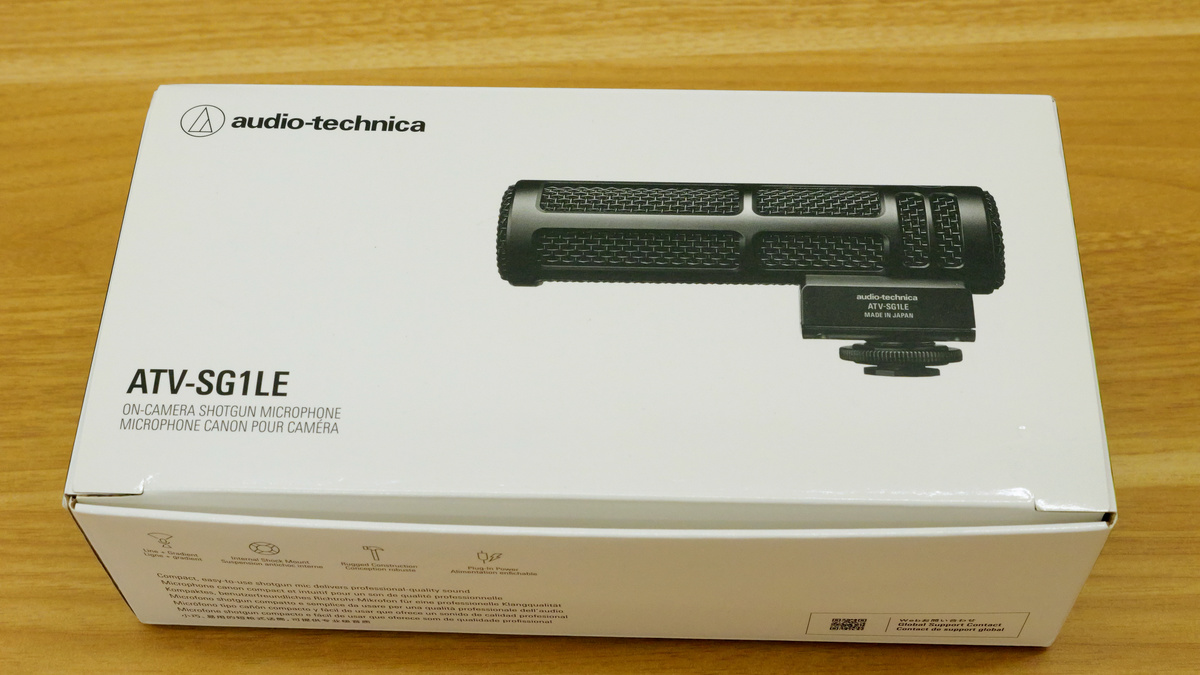
This is what the ATV-SG1LE's packaging looks like.
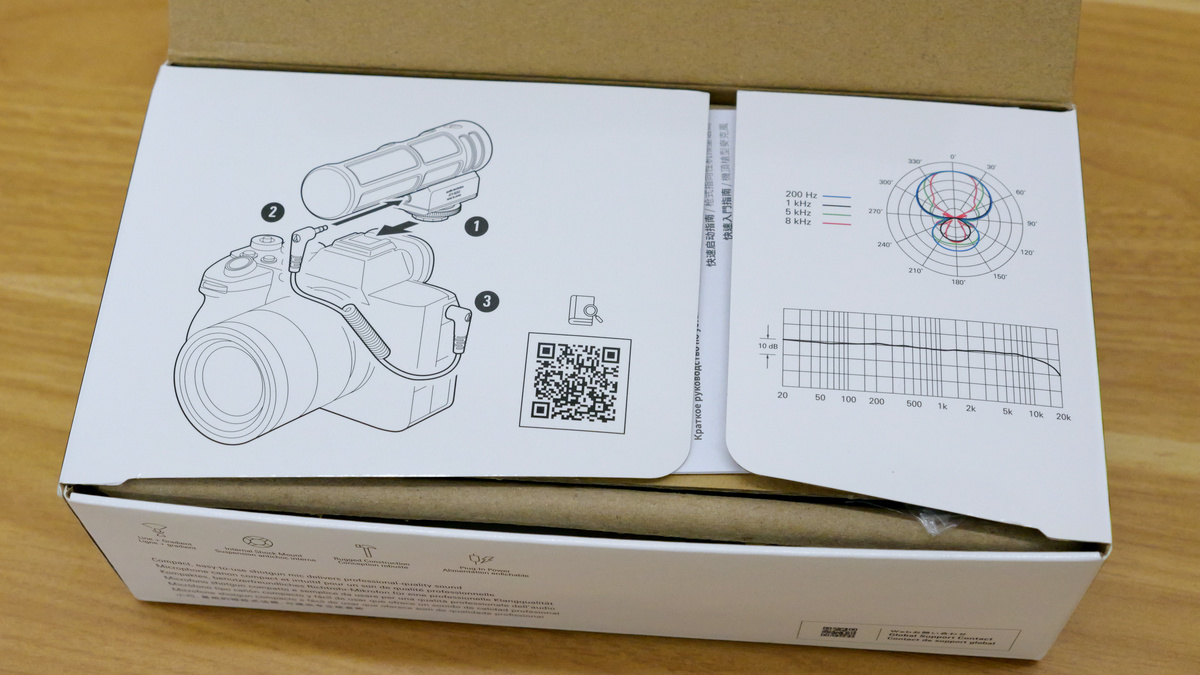
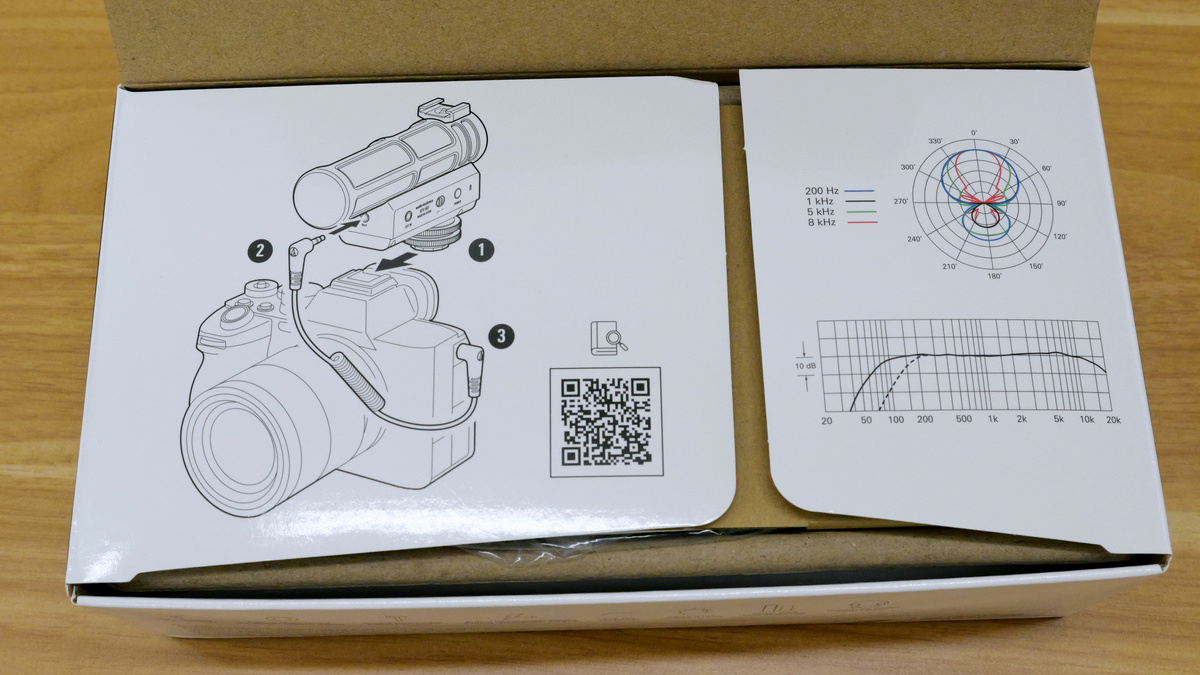
Upon opening the lid, I found instructions on how to install the ATV-SG1LE on the left and graphs showing its directivity and frequency response on the right.
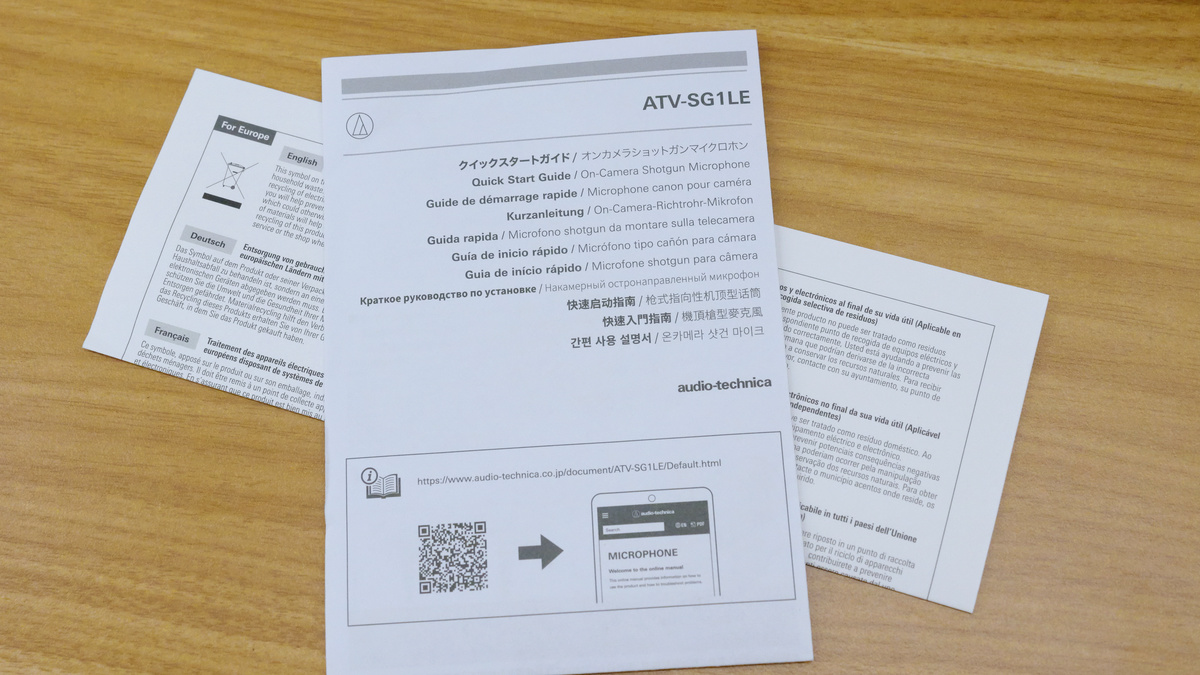
Quick start guide and instructions for the EU.
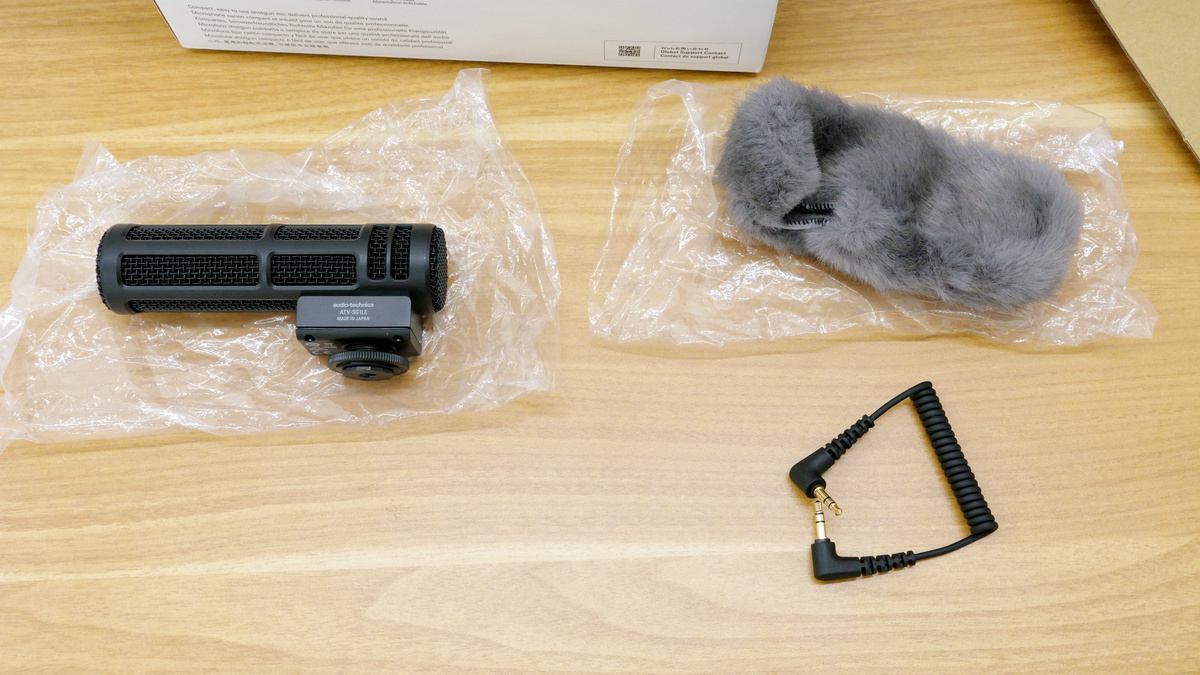
The package includes the ATV-SG1LE unit, a windscreen (wind muff), and a cable.
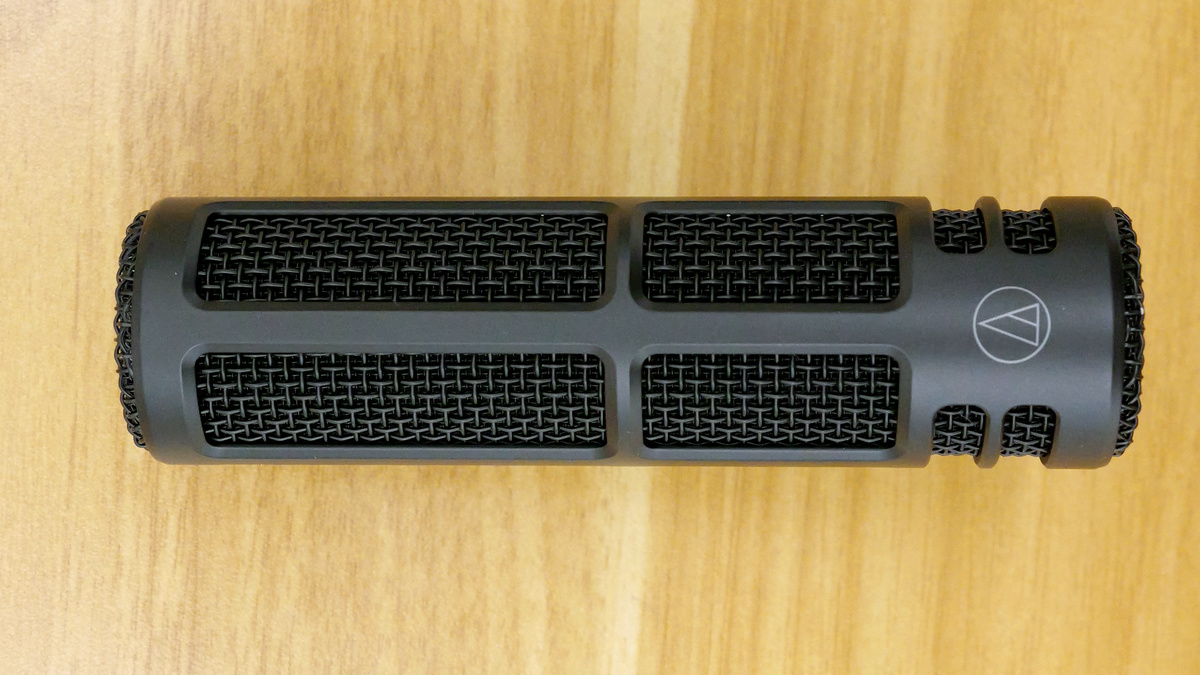
A top-down view of the ATV-SG1LE unit. The Audio-Technica logo is visible.
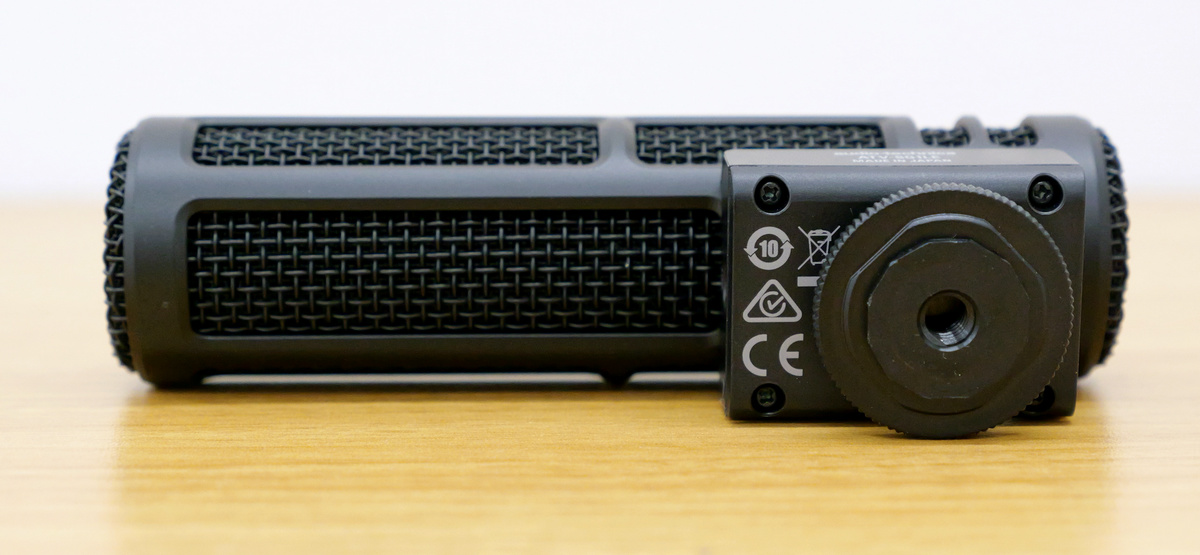
This is a photo of the bottom. There is a locking ring that attaches to the camera's hot shoe.
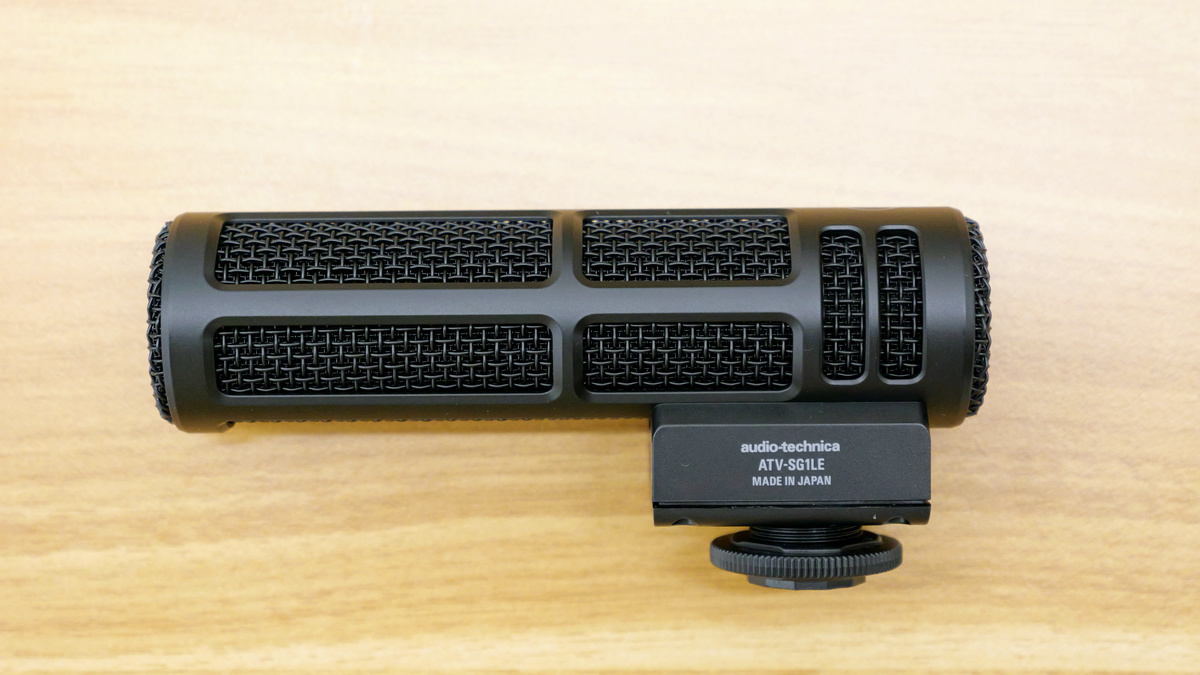
Left side
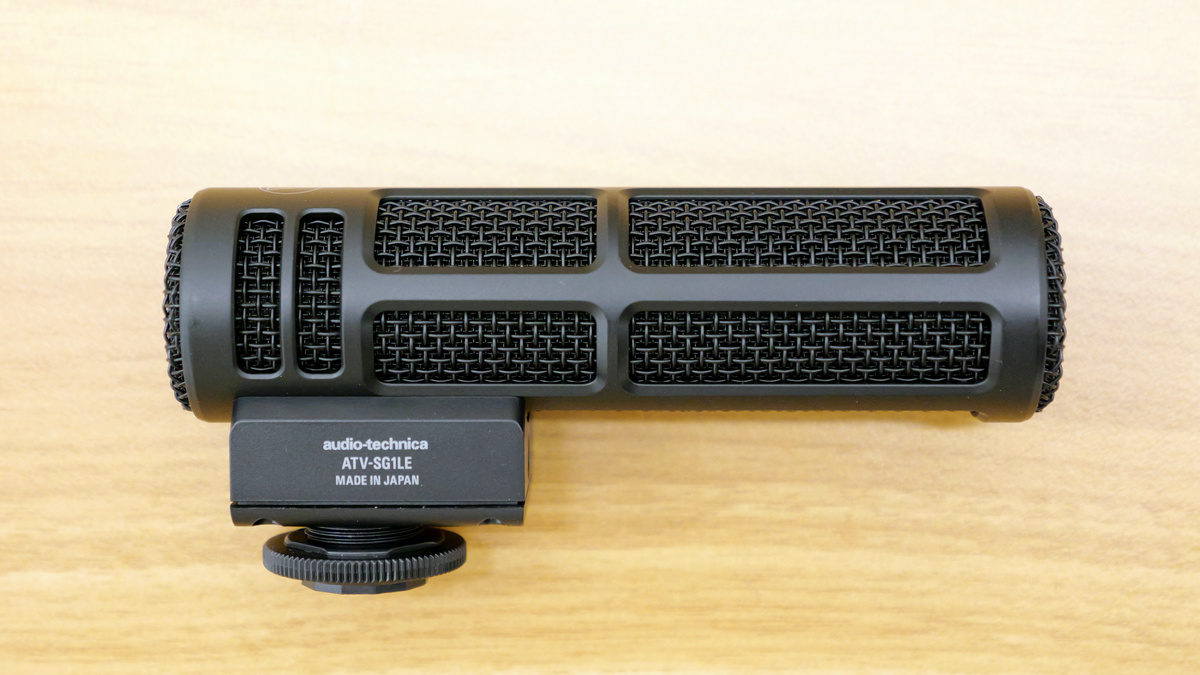
right side
Taken from the front.
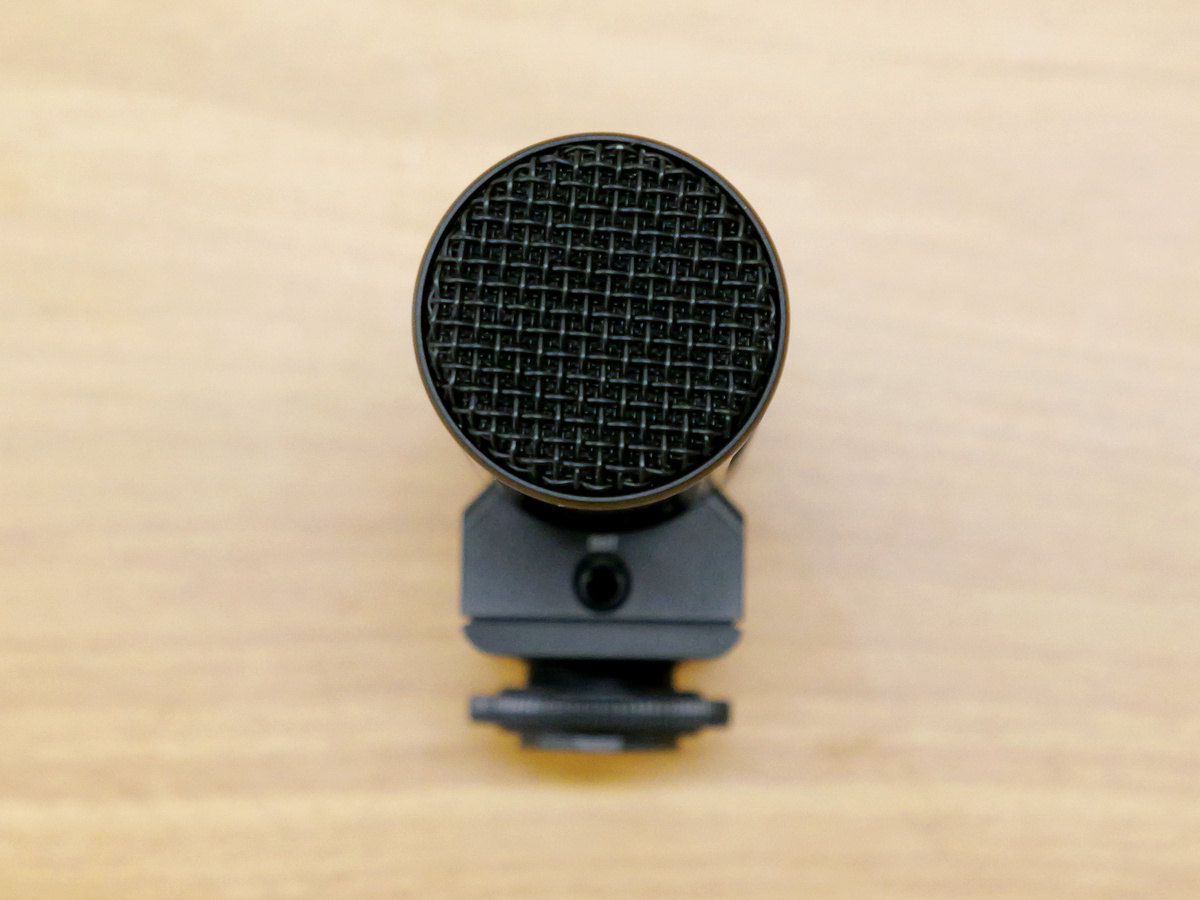
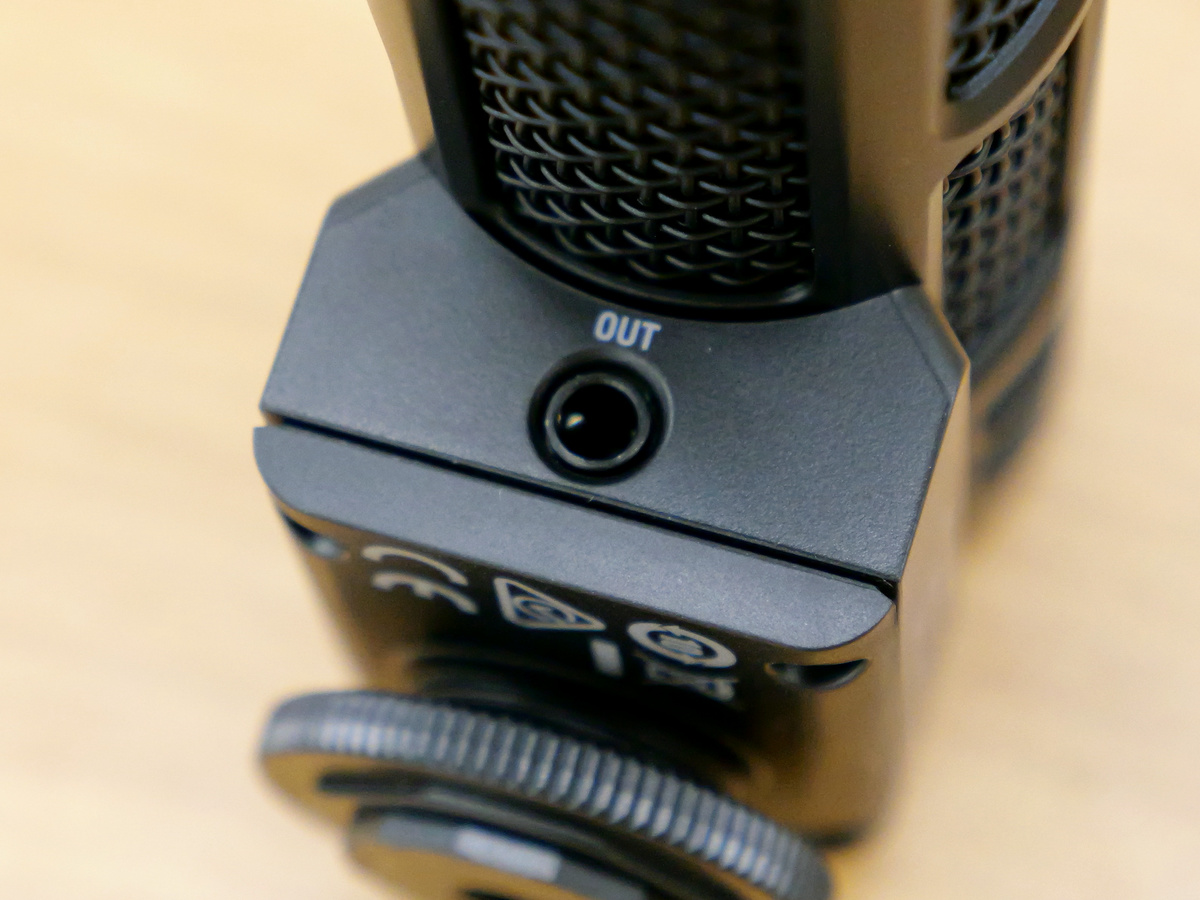
On the underside of the mouse, on the front of the base, there is a 3.5mm audio output jack for connecting a microphone cable.
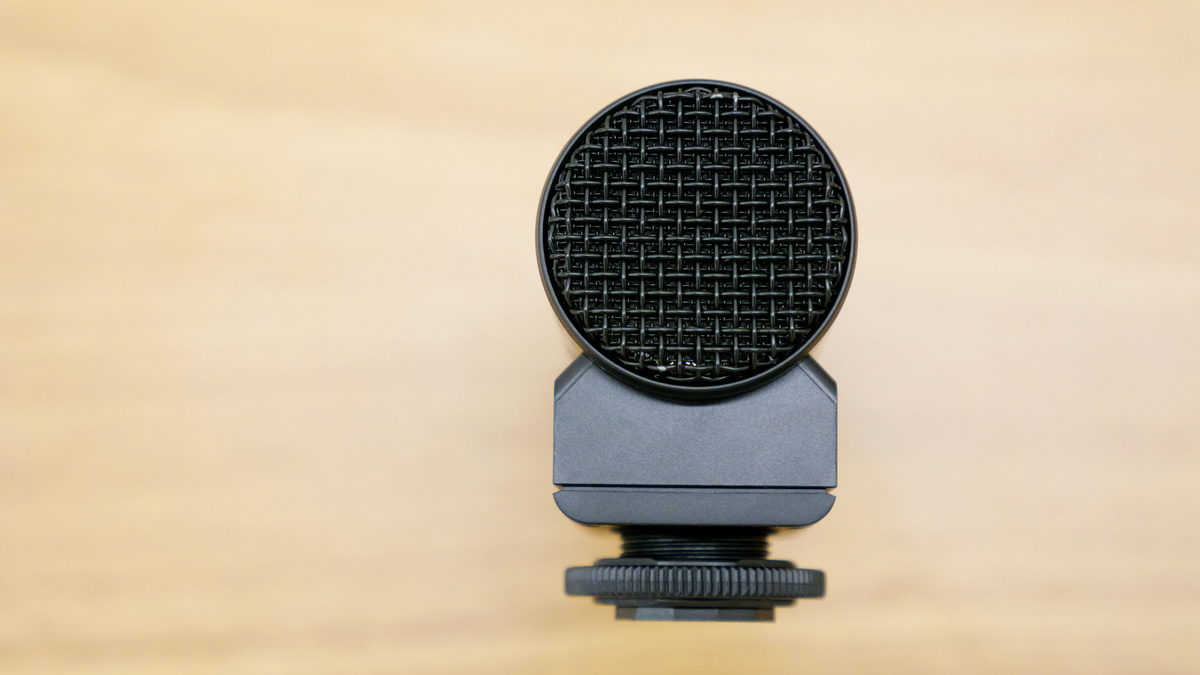
This is what the back looks like.
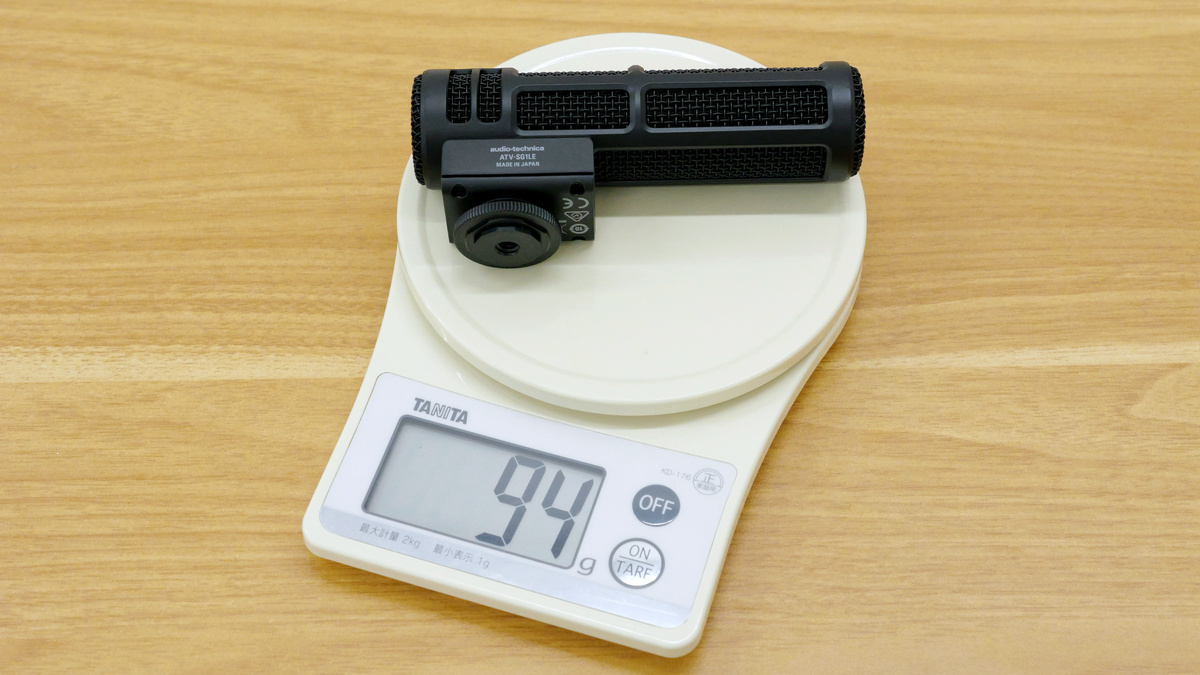
The actual weight was 94g.
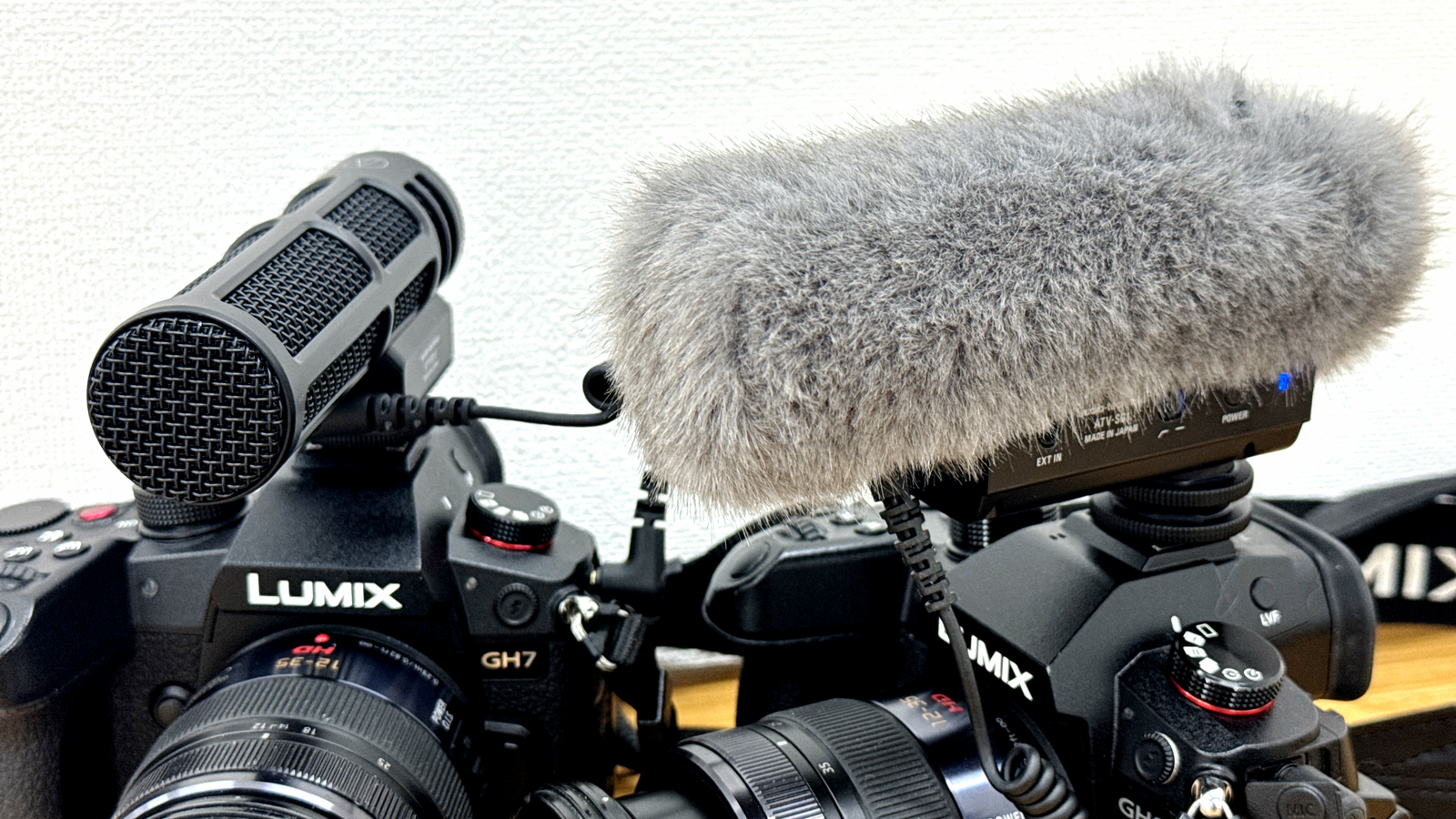
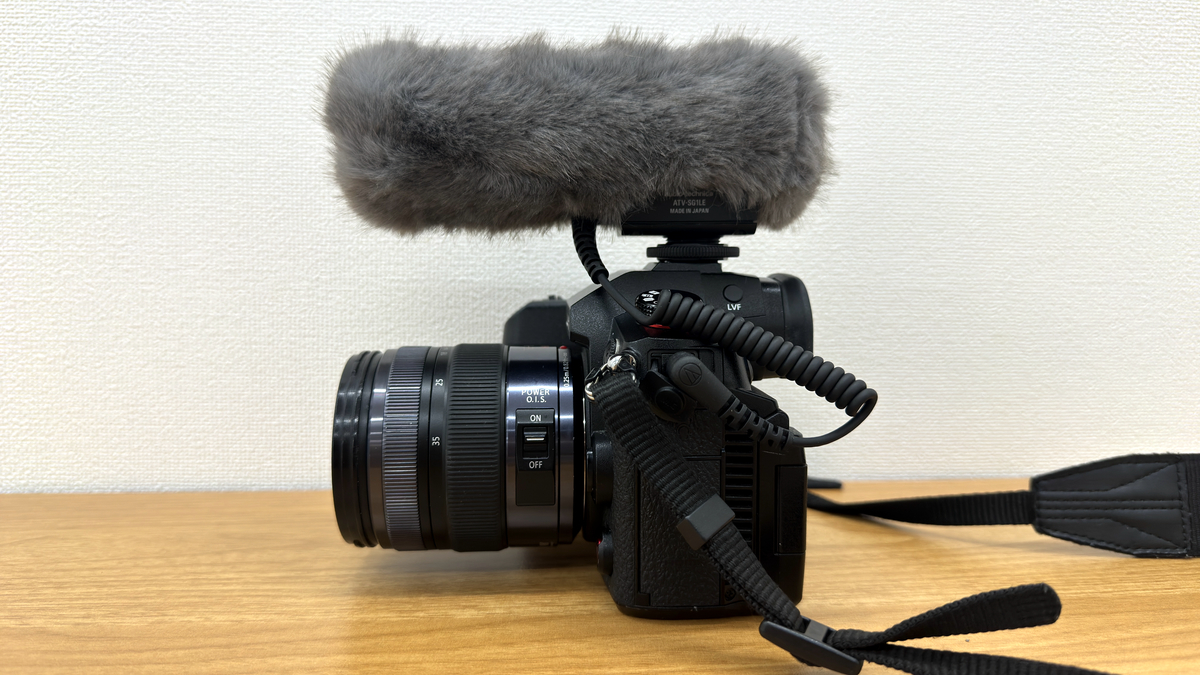
The following is what it looks like when the ATV-SG1LE with the wind muff attached is mounted on the hot shoe of a Panasonic GH6. The wind muff is quite tight, so be careful when attaching it.
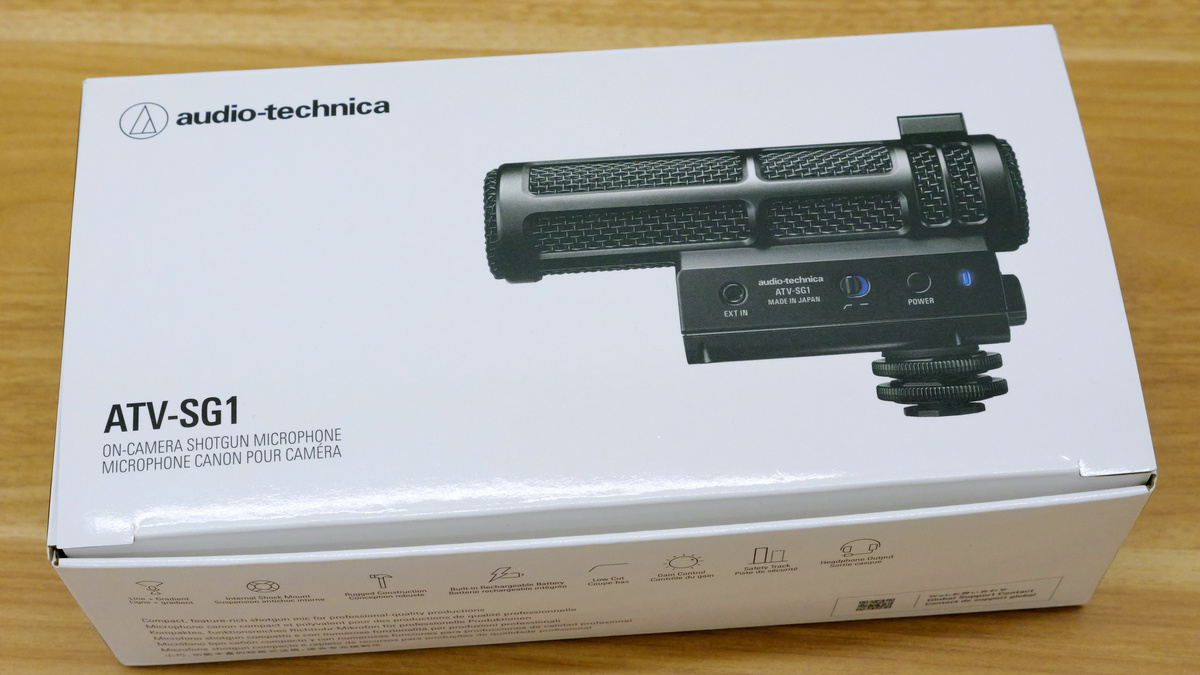
And this is what the packaging for the higher-end model, the ATV-SG1, looks like.
The instructions for installation and graphs of the directivity and frequency response are shown. Comparing the frequency response graph with that of the ATV-SG1LE, it is clear that there is a roll-off at the low-frequency end.
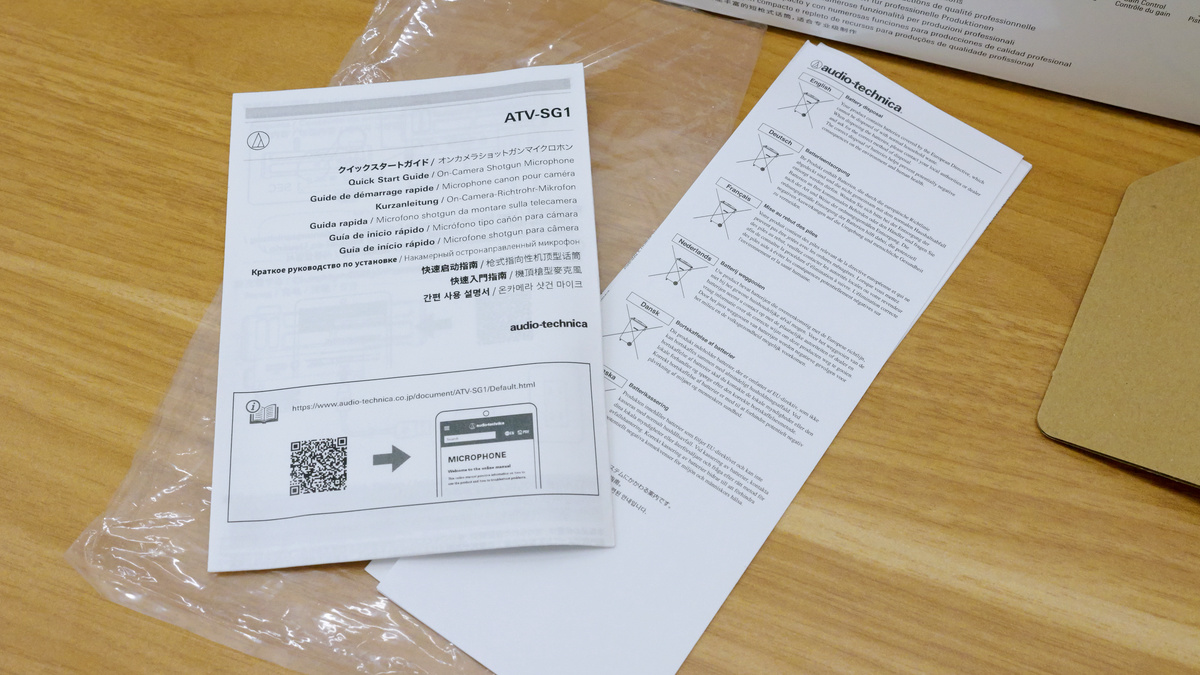
Let's check the contents. First, the quick start guide and the instruction manual for the EU.
The package also includes the ATV-SG1 unit, a USB Type-C charging cable, a microphone cable, and a windscreen.
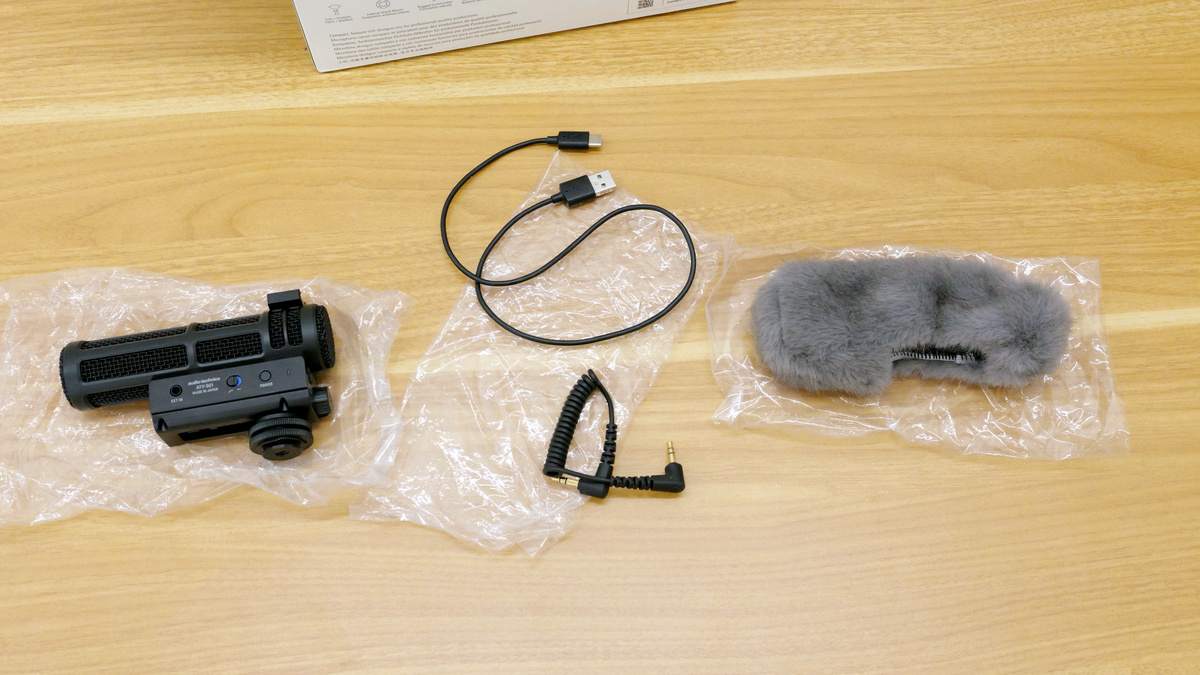
The top surface of the ATV-SG1 is almost identical to that of the ATV-SG1LE. However, the area where the Audio-Technica logo is located is a hot shoe, allowing other accessories to be attached to the top.
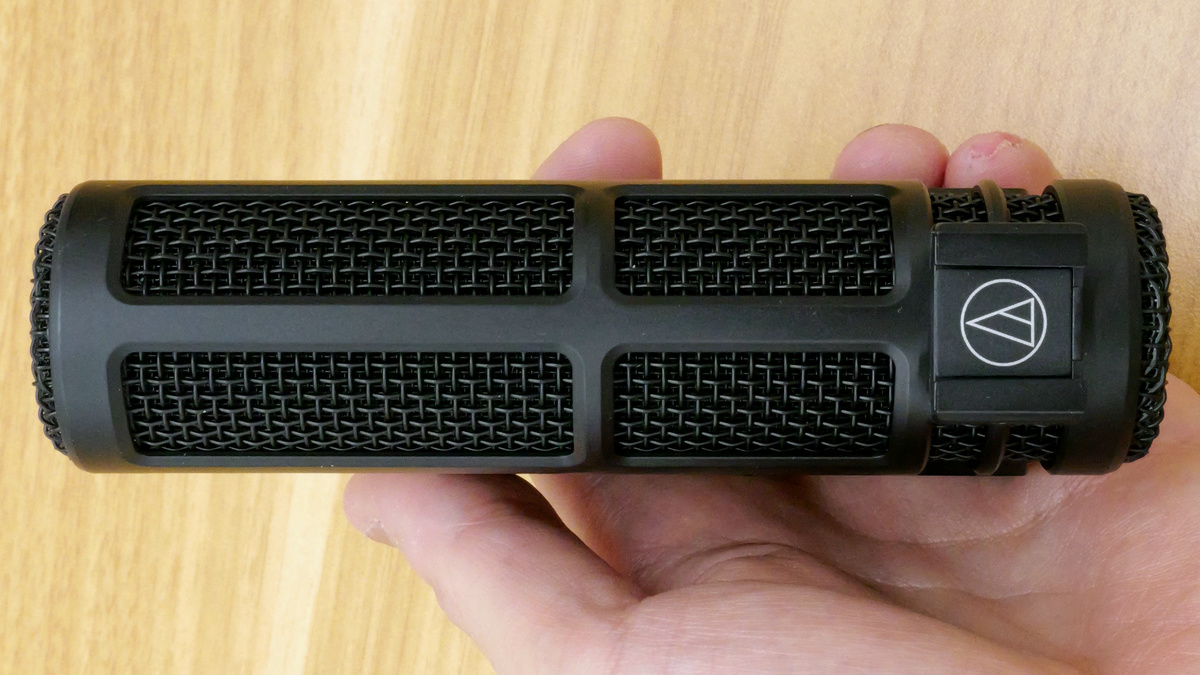
This is what the bottom looks like. The part where the locking ring secures it is a slide mechanism, allowing you to adjust the front and back of the microphone.
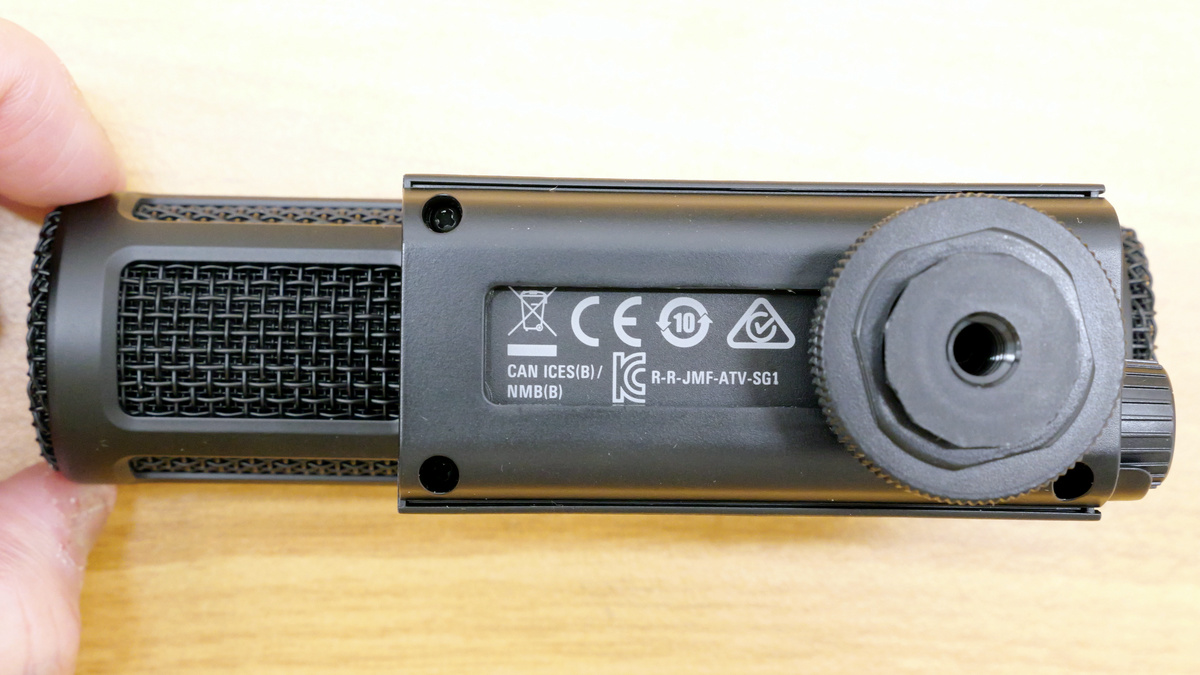
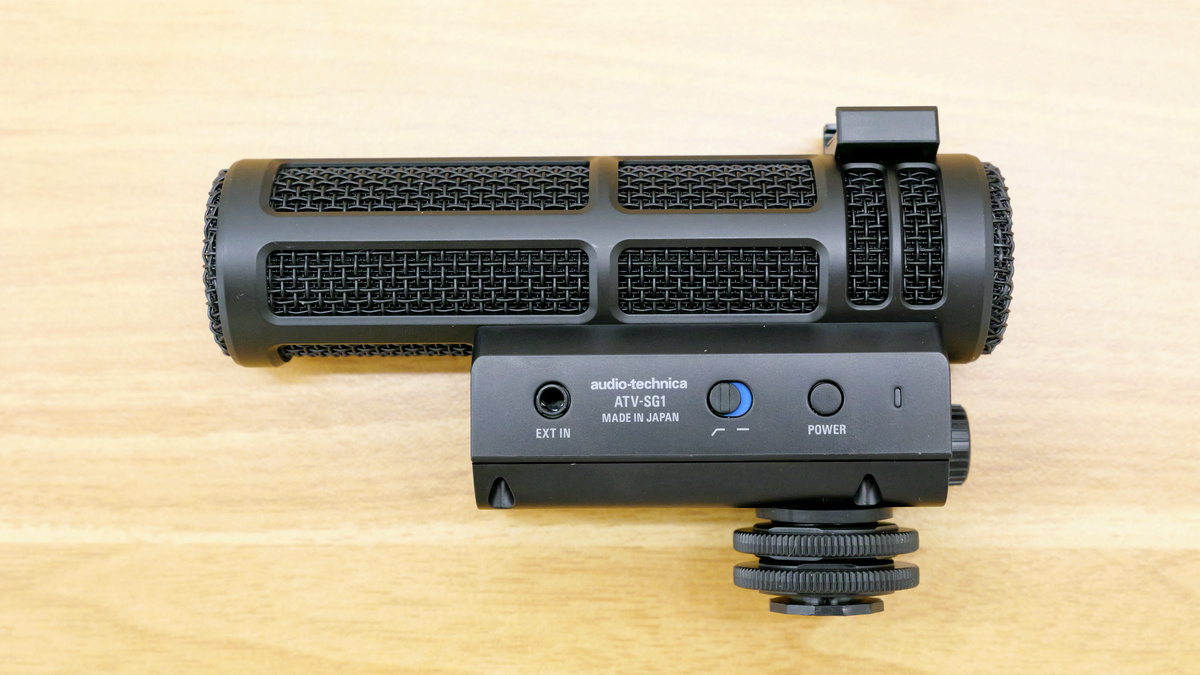
Left side. The base of the microphone has an EXT IN port for adding a mono external microphone input, a low-cut filter switch to reduce low frequencies, a power button, and an indicator.
On the right side, there was a volume control dial for the headphone output, a connection port for the headphone output, and a USB Type-C port for charging.
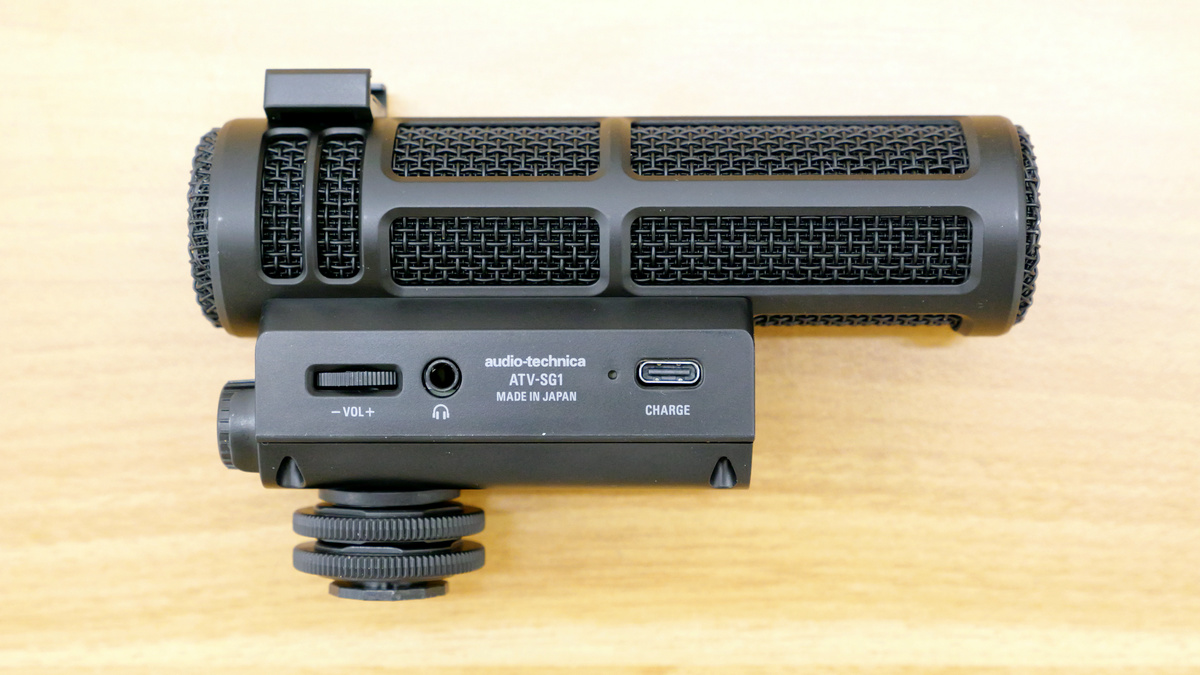
Photographed from the front.
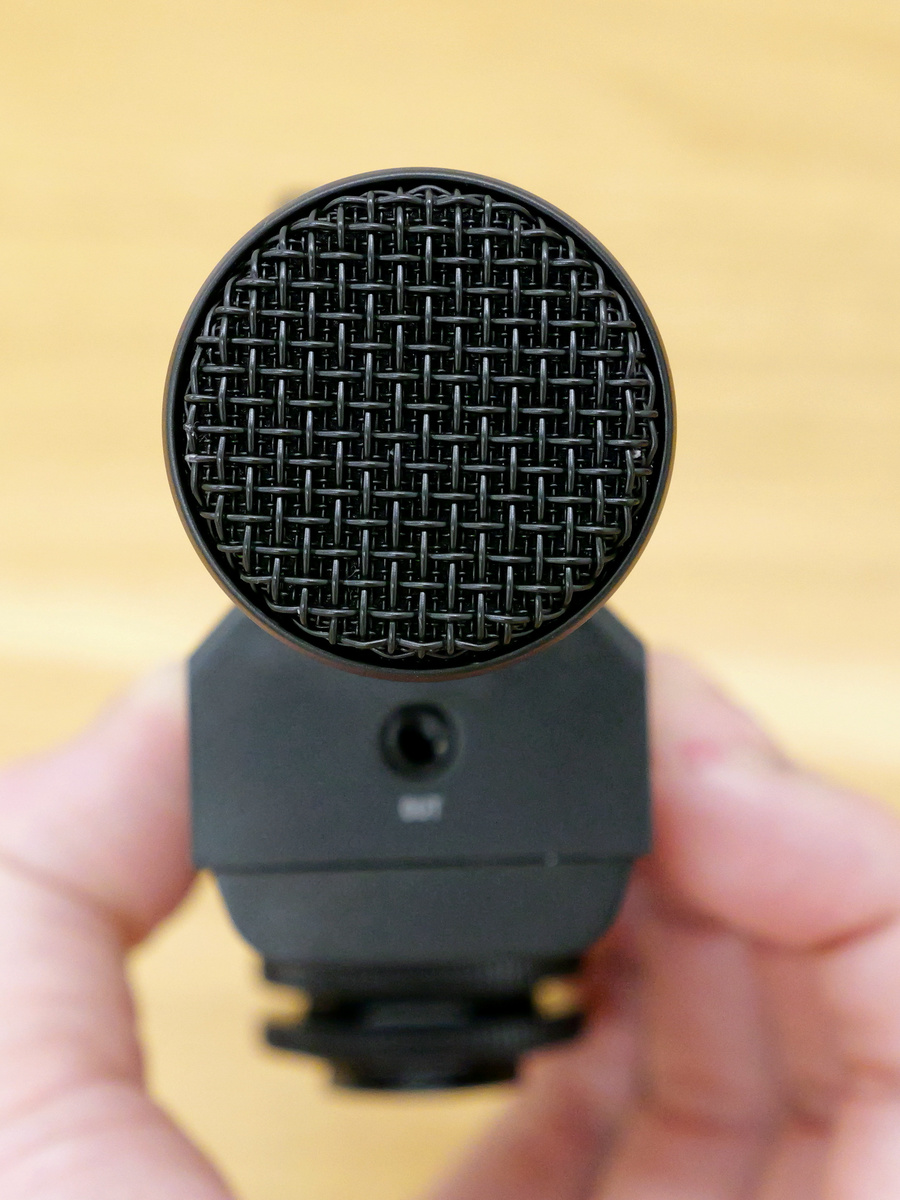
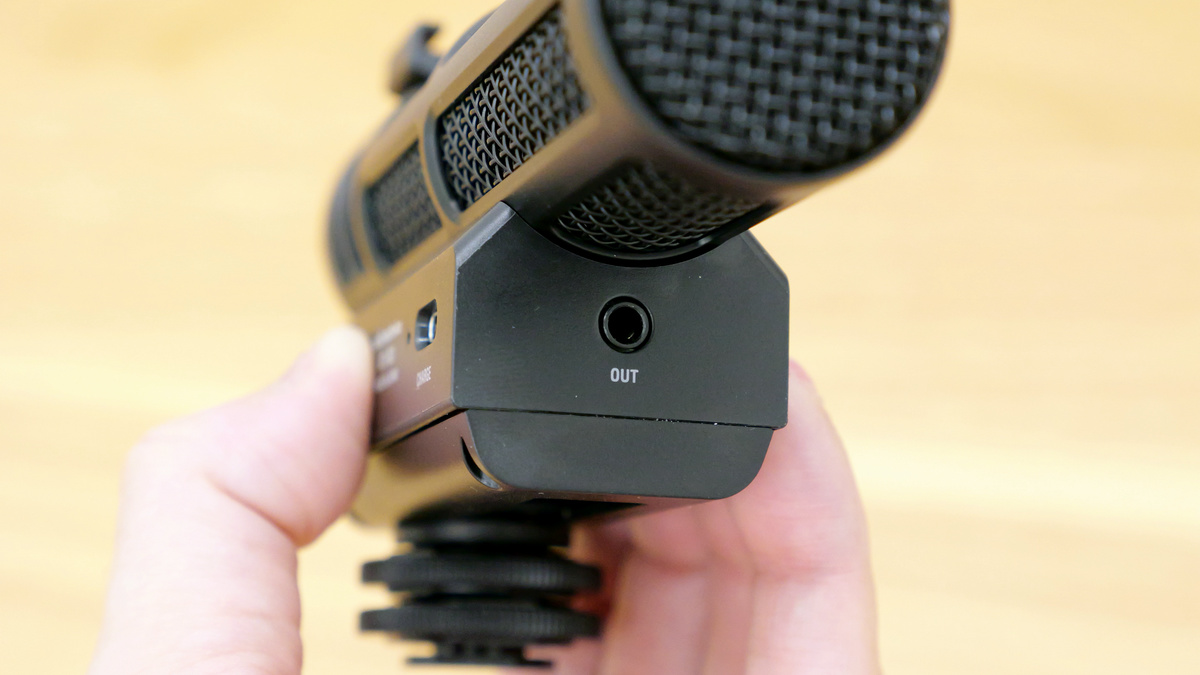
The base has a 3.5mm audio output terminal for connecting a microphone cable.
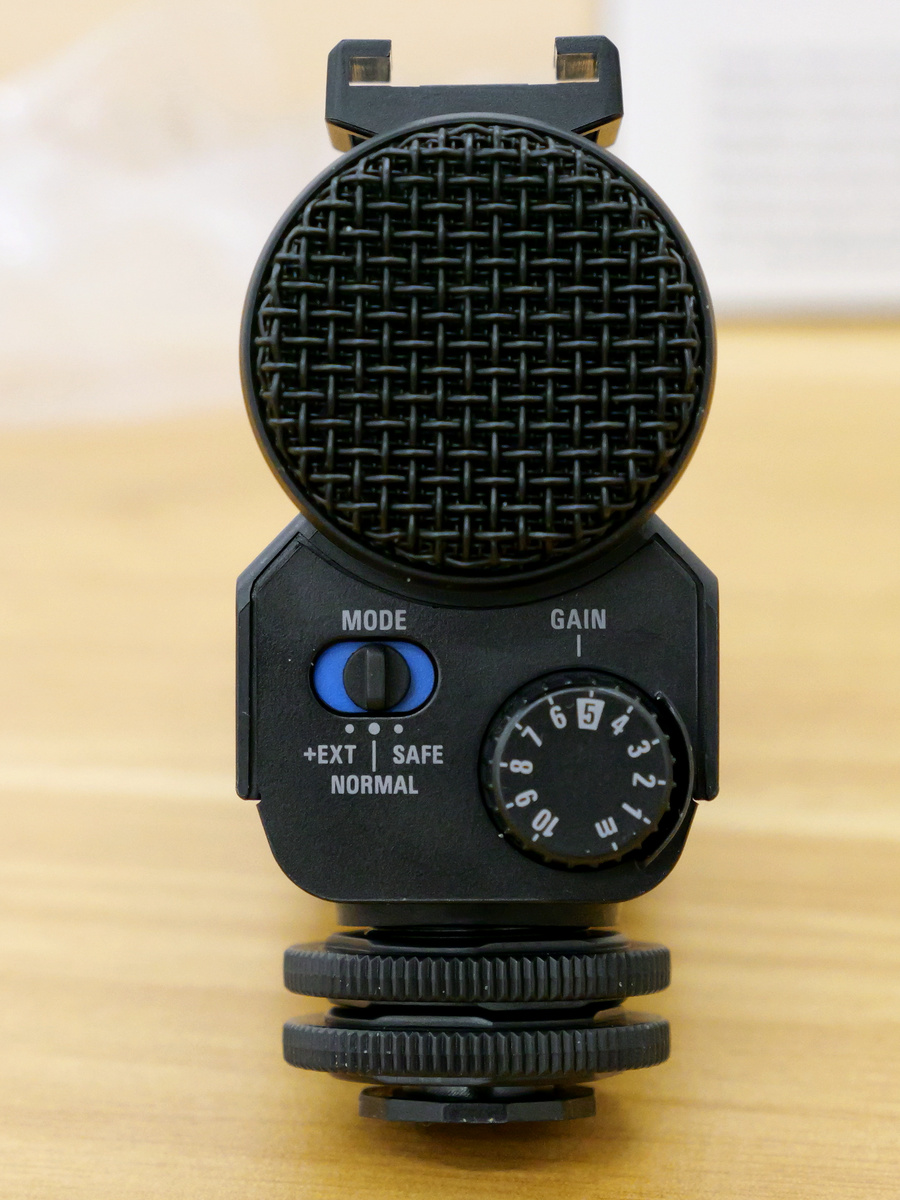
On the back, there is an output mode switch and an output gain adjustment knob. Of the output modes, '+EXT' is a mode that adds an external microphone input, in which case the audio from the external microphone can be output in mono to the R channel. This means that you can record the sound of the person the microphone is pointed at in stereo while simultaneously recording the photographer's voice in mono. 'NORMAL' is the normal usage mode, and 'SAFE' is a mode that uses the safety track function to protect against loud noises or sudden sound distortion.
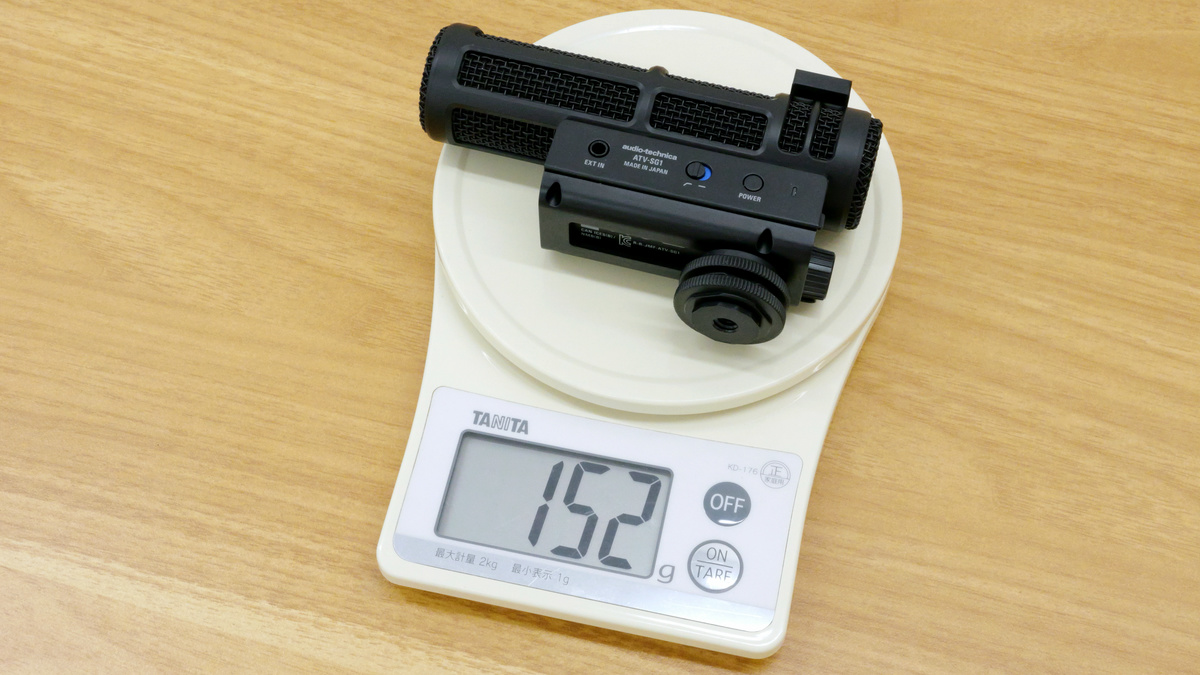
The actual weight is 152g.
I tried attaching a wind muff to the ATV-SG1 and mounting it on a GH6. The ATV-SG1 has a built-in battery for microphone power, but it also has a headphone output for monitoring, an additional input for an external microphone, a low-cut filter and gain adjustment, and the shoe mount has a sliding mechanism, making it more responsive than the lower-end ATV-SG1LE model.
Press and hold the power button on the ATV-SG1, and the blue LED indicator will light up, indicating that power is being supplied by the built-in battery.
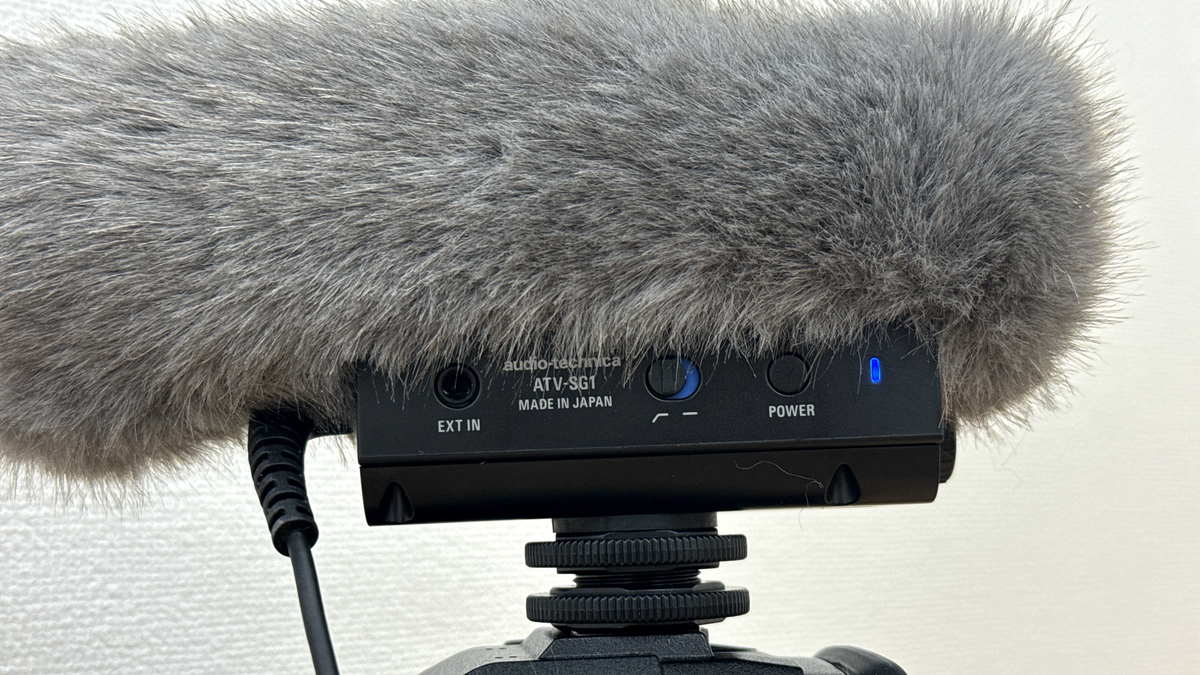
The built-in battery provides power, allowing recording without needing to supply power from the camera body.
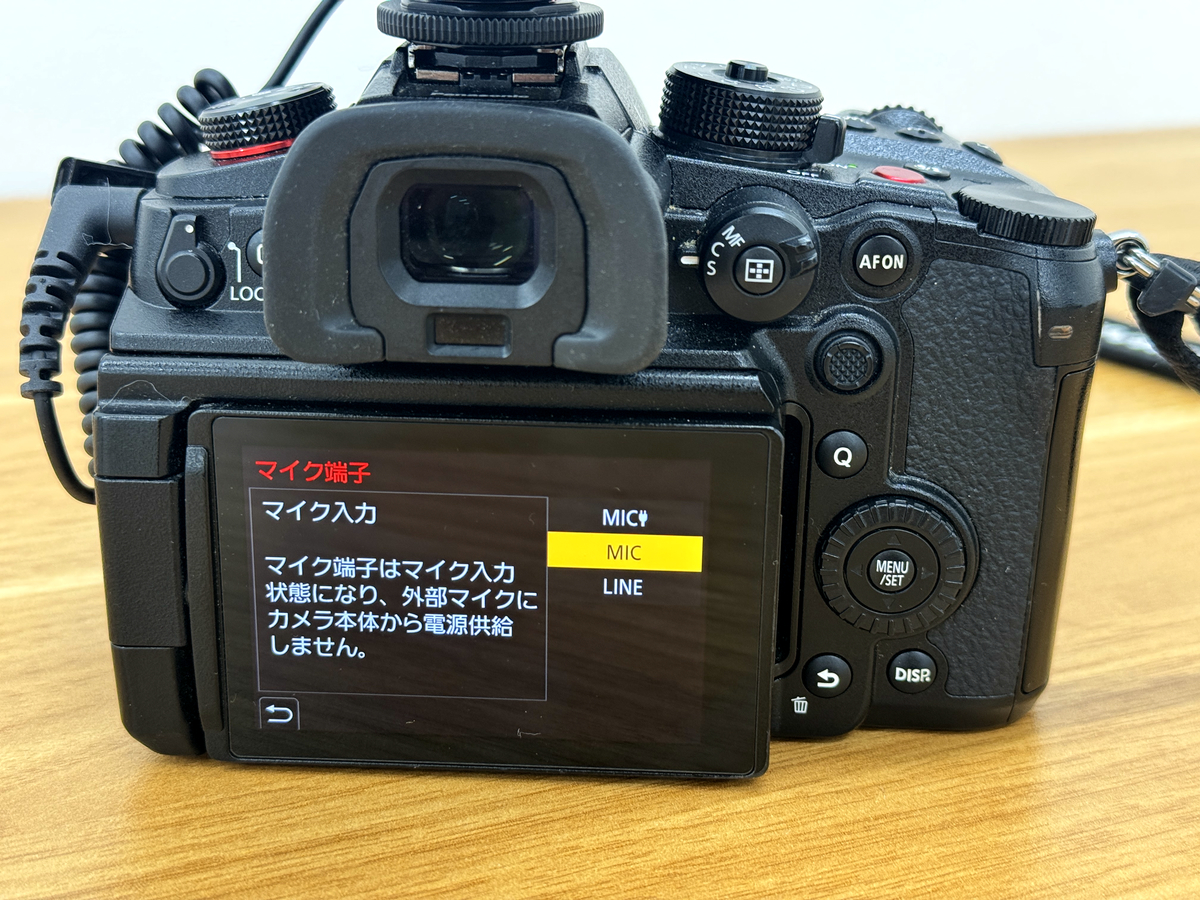
◆We actually tried shooting with the 'ATV-SG1LE' and 'ATV-SG1'.
To actually film the ATV-SG1LE and ATV-SG1, I prepared two cameras. I attached a microphone to one camera, and used the built-in microphone of the other camera to play music from a smartphone on the table while filming.
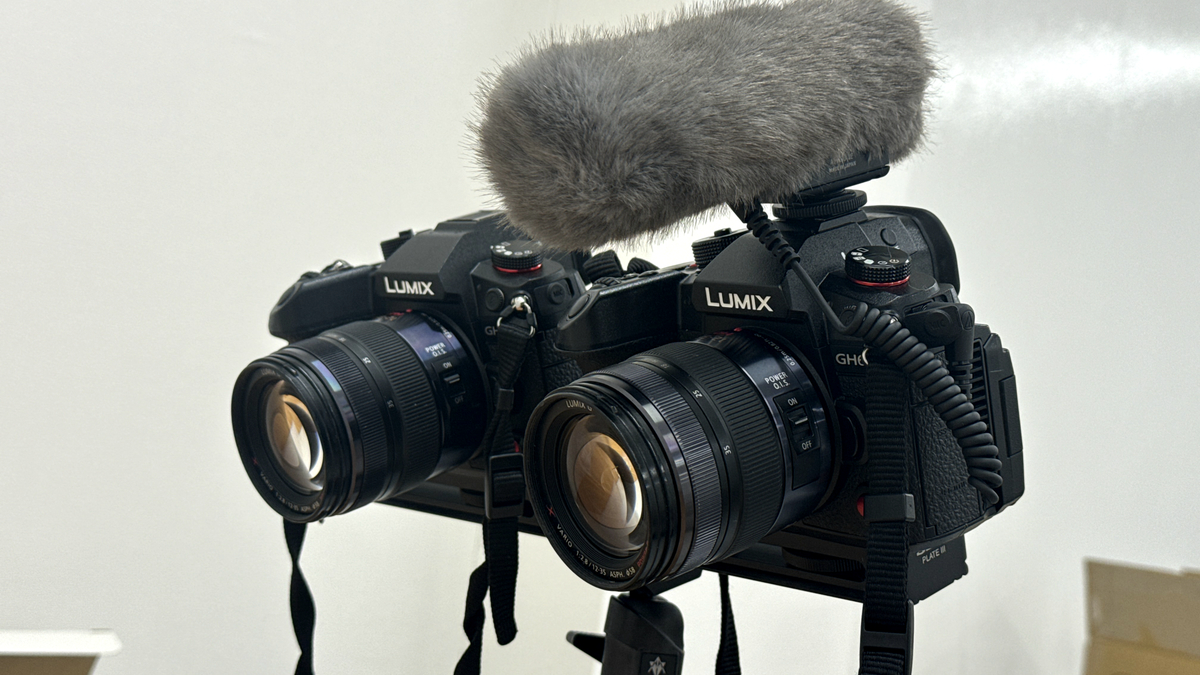
Also, a large circulating fan is running behind the camera. It's a very powerful fan, and when it's turned on for ventilation, it makes a tremendous roaring noise.
The following video shows a comparison shoot using the ATV-SG1LE, with the first video using the camera's built-in microphone and the second video using the ATV-SG1LE. The built-in microphone clearly captures the 'whooshing' sound of the circulating fan, but with the ATV-SG1LE, the fan noise is significantly reduced, and you can clearly see that the music played from the smartphone is much clearer.
Audio-Technica's ATV-SG1LE shotgun microphone review, comparison with camera's built-in microphone - YouTube
Next, here is a video comparing the footage shot using the ATV-SG1. First, the video shot with the camera's built-in microphone is played, followed by the video shot using the ATV-SG1. Note that the low-cut filter on the ATV-SG1 was turned off. The camera's built-in microphone picks up not only the sound of the circulator but also the footsteps of the person shooting behind the camera, but these are considerably suppressed with the ATV-SG1.
Audio-Technica's battery-powered shotgun microphone 'ATV-SG1' review, comparison with camera built-in microphone - YouTube
Next, I attached the ATV-SG1LE and ATV-SG1 to two cameras respectively and tried shooting simultaneously. The low-cut filter on the ATV-SG1 was turned on for this test. Both cameras were able to clearly record music played from a smartphone. However, the difference wasn't significant enough to distinguish which recording was made with the ATV-SG1.
Comparing smartphones playing music using 'ATV-SG1LE' and 'ATV-SG1' - YouTube
The following video, filmed with a Pixel 9 Pro, shows footage being shot using these two types of microphones, and you can clearly hear the sound of the circulating fan in operation.
A comparison of shooting with the 'ATV-SG1LE' and 'ATV-SG1' was filmed using a Pixel 9 Pro - YouTube
◆Summary
Both the ATV-SG1LE and ATV-SG1 are high-quality shotgun microphones with stronger directionality than the camera's built-in microphone, allowing for clear recording of sound from the direction the microphone is pointed while suppressing unwanted ambient noise. They also come with a windproof wind muff, making them convenient for outdoor use. Furthermore, the microphones themselves are lightweight, minimizing any impact on camera handling when mounted.
Furthermore, the ATV-SG1 features a sliding shoe mount, a gain adjustment knob, a low-cut filter switch, an input jack for connecting an external microphone, and an earphone jack for monitoring, making it even more user-friendly. In addition, since it uses a built-in battery, it can also be used with smartphones using an adapter.
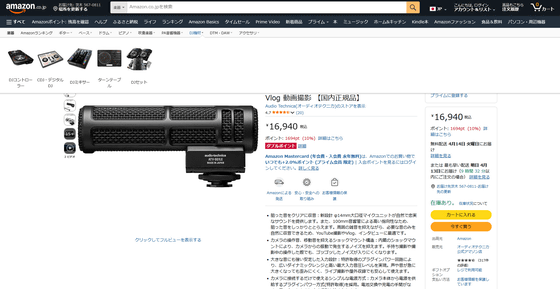
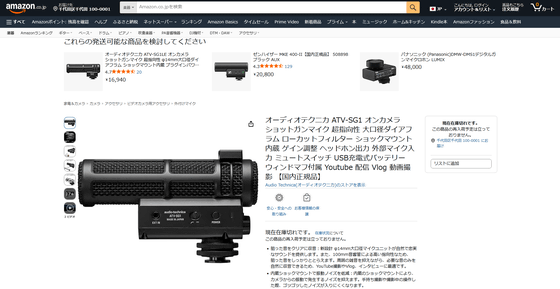
The ATV-SG1LE is priced at 16,940 yen (tax included), and the ATV-SG1 is priced at 32,670 yen (tax included). Both are available for purchase at Audio-Technica's official store . They are also available on Amazon.co.jp, although the ATV-SG1 was out of stock at the time of writing.
Amazon.co.jp: Audio-Technica ATV-SG1LE On-Camera Shotgun Microphone, Super-directional, φ14mm Large Diaphragm, Built-in Shock Mount, Plug-in Power, Wind Muff Included, for YouTube Streaming, Vlogging, Video Recording [Domestic Genuine Product] : Electronics & Cameras
Related Posts: