Investors are pressuring companies like Amazon, Microsoft, and Google to disclose their water and electricity usage at data centers.
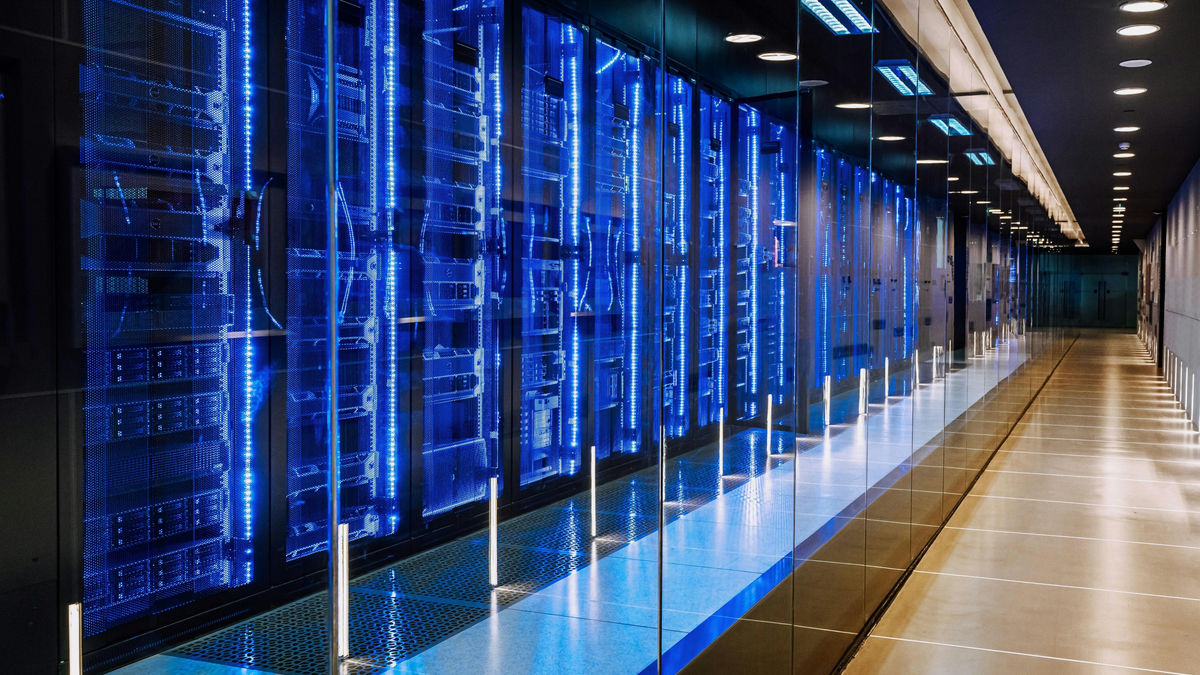
As AI rapidly proliferates, power consumption and water usage at data centers are skyrocketing, leading technology companies are establishing new data centers one after another across the globe. However, the need for vast amounts of land, enormous amounts of electricity, and large quantities of water for cooling has raised concerns about the impact on surrounding areas and the environmental burden. In this context, major technology companies such as Amazon, Microsoft, and Google are reportedly facing pressure from investors to disclose information regarding their environmental impact.
Investors press Amazon, Microsoft and Google on water, power use in US data centers | Reuters
https://www.reuters.com/sustainability/boards-policy-regulation/investors-press-amazon-microsoft-google-water-power-use-us-data-centers-2026-04-06/
Amazon, Microsoft, and Google under investor pressure to disclose site-specific data center water and power consumption — more than a dozen shareholder ask for transparency ahead of annual investor meetings | Tom's Hardware
https://www.tomshardware.com/tech-industry/investors-push-amazon-microsoft-and-google-to-disclose-data-center-water-and-power-consumption
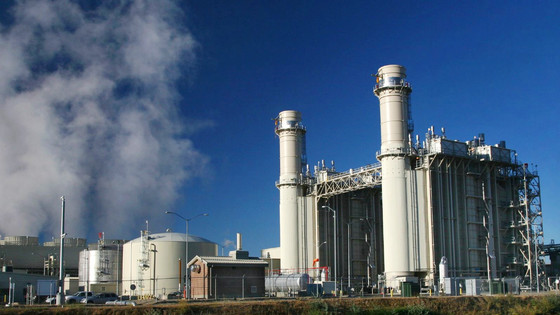
According to estimates by the Institute of Electrical and Electronics Engineers (IEEE) , the total energy consumption of generative AI is projected to reach 15 TWh in 2025 and 347 TWh in 2030, requiring 44 additional nuclear power plants to supply 347 TWh of energy. Furthermore, developing and running AI requires computational processing using high-performance processors, and a large amount of water is needed to cool the entire data center. It has been revealed that the annual water consumption of AI systems is between 312.5 billion and 764.6 billion liters, which is equivalent to the amount of bottled drinking water consumed worldwide in a year. The increase in carbon dioxide emissions associated with the massive power consumption is also a major concern.
AI consumes the same amount of water as all of humanity drinks from bottled water - GIGAZINE

Such resource consumption has led to friction with local communities, including protests against data center construction . In addition, in New York, a bill was introduced in February 2026 aimed at curbing several data center projects due to their strain on water resources and power infrastructure.
New York State Legislature announces bill to halt data center construction for three years - GIGAZINE
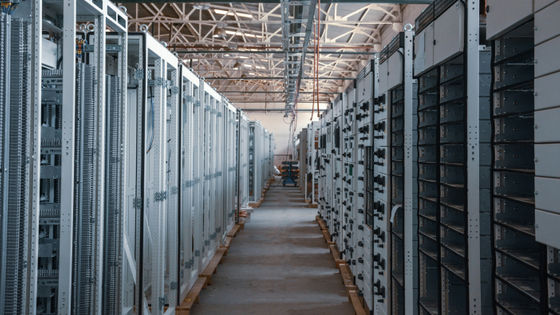
On the other hand, the information disclosure by companies is not standardized, making comparisons difficult. For example, Google has disclosed its own data analysis results, such as 'Each Gemini uses about the same amount of electricity as watching TV for 9 seconds and 5 drops of water,' but investors have pointed out that it does not include facilities operated by third parties in its reports. In addition, Microsoft does not publish detailed data for each facility, and while Amazon shows water usage per unit of electricity, it does not disclose total usage.
Investors are concerned about this lack of transparency and are calling for more data on companies' water usage. An investor told Reuters, 'Field-level data is crucial for better assessing business risks and how companies are managing them, and we also want to know more about efforts to replenish water sources.'
Trillium Asset Management, a Boston-based firm that invests in companies based on their environmental standards, revealed that it submitted a resolution to Alphabet in December 2025 to understand how Alphabet, Google's parent company, plans to achieve the climate targets it set in 2020. In its 2020 climate targets, Alphabet stated that it would 'halve emissions and transition to zero-carbon energy sources by 2030,' but Trillium Asset Management points out that actual emissions will increase by 51% by 2025.
Dan Diorio, vice chairman of the Data Center Alliance, a lobbying group that includes four major technology companies, pointed out that strengthening ties with communities has been a top priority over the past year. He added, 'It is extremely important to be honest with residents about energy and water usage and to help them understand that this project will not burden their resources and will protect them as the ones who pay the costs.'
Regarding considerations and disclosure of environmental sustainability, a Microsoft spokesperson told reporters, 'Environmental sustainability is a core value, and we are proactively addressing sustainability challenges and accelerating solutions that have long-term impact.' Josh Weissman, Amazon's Director of Infrastructure Capacity Provisioning, said, 'Amazon is more proactive in disclosing water consumption data at each of its locations,' and the spokesperson added, 'Amazon is committed to being a 'good neighbor' and is investing in efficiency and water conservation efforts.' A Google spokesperson declined to comment, and Meta did not respond to a request for comment.
Related Posts:





in Note, Posted by log1e_dh