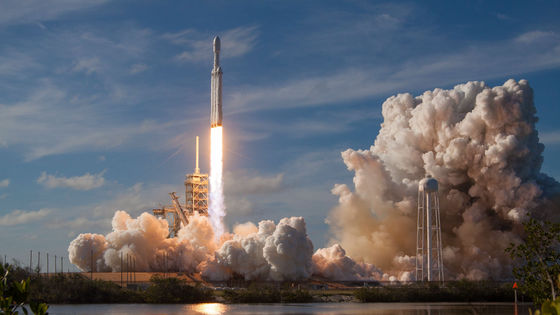
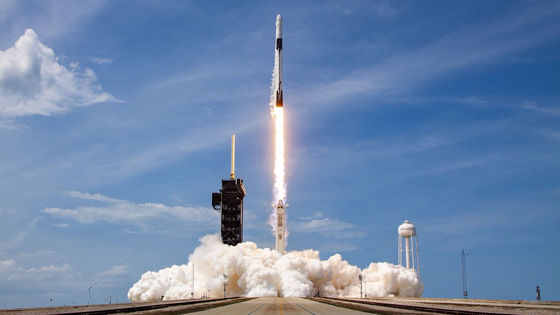
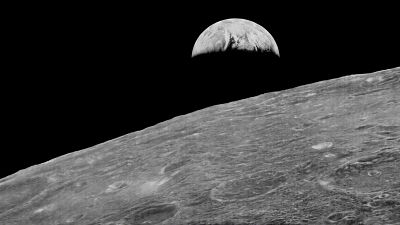
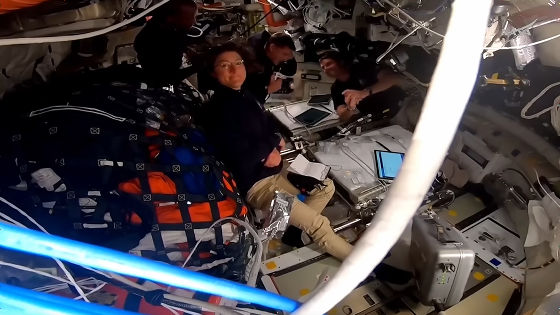
The Artemis II mission, which will send humans to the moon for the first time in half a century, has been successfully launched.
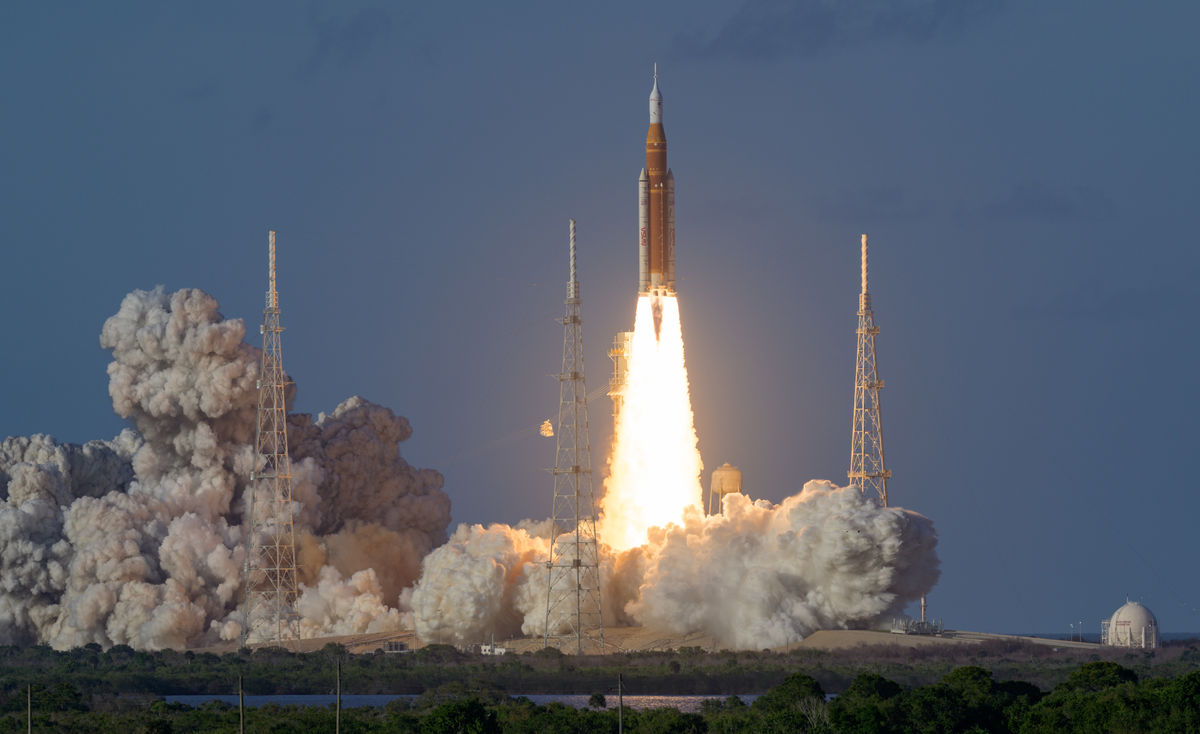
NASA has announced that it has successfully launched a crewed spacecraft with the aim of performing a lunar
Liftoff! NASA Launches Astronauts on Historic Artemis Moon Mission - NASA
https://www.nasa.gov/news-release/liftoff-nasa-launches-astronauts-on-historic-artemis-moon-mission/
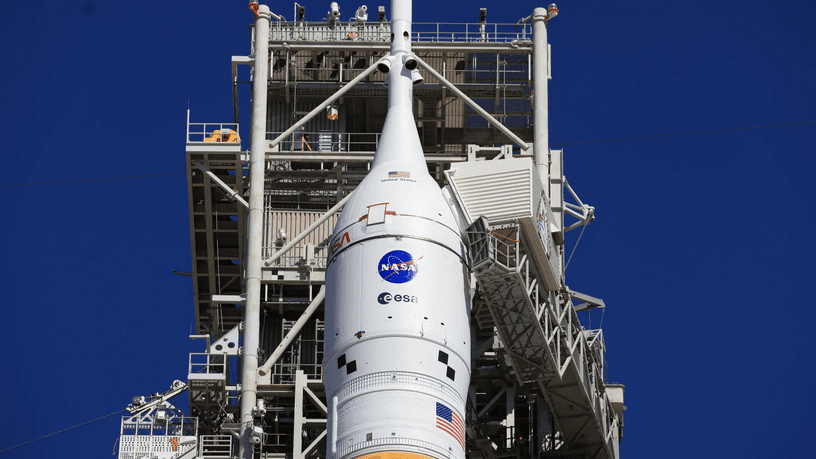
At 6:35 PM Eastern Daylight Time on April 1, 2026, the Orion spacecraft carrying four astronauts was launched from the Kennedy Space Center in Florida.
Experience NASA's Artemis II Moon Launch in 360° - YouTube
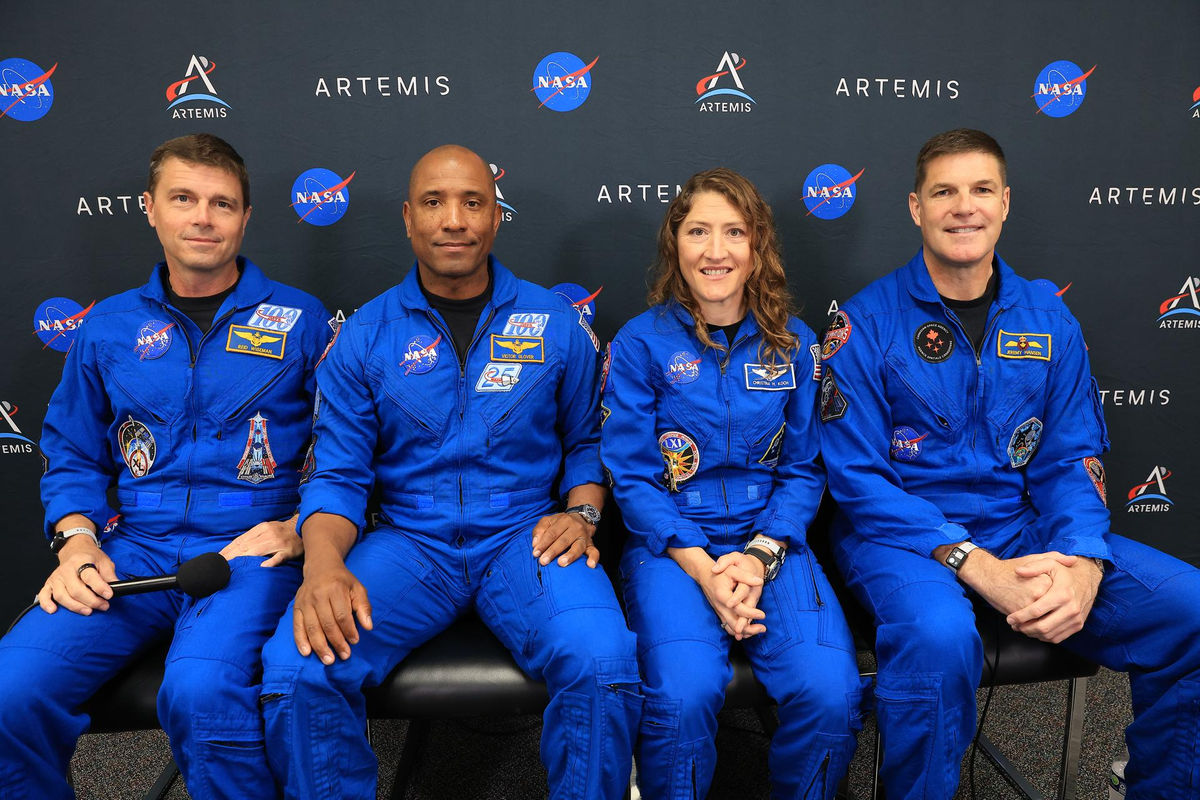
The crew consisted of NASA astronauts Reed Wiseman, Victor Glover, and Christina Koch, as well as Canadian Space Agency (CSA) astronaut Jeremy Hansen. They will be undertaking a roughly 10-day space flight to carry out the Artemis II mission, the second phase of the Artemis program, which aims to land humans on the moon.
Approximately 49 minutes after the start of the test flight, the upper stage of the rocket ignited, and Orion entered an elliptical orbit around the Earth. After reaching space, Orion deployed its solar array, enabling it to receive energy from the sun. Simultaneously, the crew and ground engineers transitioned the spacecraft from launch mode to flight operation mode and began verifying its main systems.
The subsequent second burn will propel the Orion spacecraft into high orbit, approximately 46,000 miles (about 740,000 km) from Earth. After this burn, Orion will separate from its upper stage and continue its flight independently. Several hours later, four CubeSats (small satellites) from the Argentine National Space Activities Commission, the German Aerospace Center, the Korea Aerospace Administration, and the Saudi Space Agency will be deployed from the rocket's upper stage ring, which is a safe distance from the spacecraft, to conduct scientific research and technology demonstrations.
The spacecraft will remain in high Earth orbit for approximately one day, during which time the crew will conduct a manual piloting demonstration to test Orion's maneuverability. If all systems are functioning correctly, the lunar transfer orbit insertion burn will be performed on Thursday, April 2nd, to send the spacecraft into orbit around the Moon and use its gravity to return it to Earth.
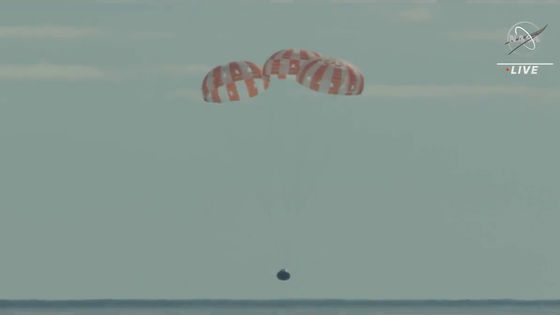
During the several-hour lunar flyby scheduled for April 6, the astronauts will take photographs and observe the lunar surface. This will be the first opportunity to observe parts of the far side of the moon with the naked eye. Although the far side of the moon will only be partially illuminated during the flyby, the long shadows on the surface will accentuate its topography, revealing depth, ridges, slopes, and crater rims that would be difficult to detect under fully illuminated conditions. If the lunar flyby is successful, the astronauts will return to Earth and splash down in the Pacific Ocean.
NASA described the mission as 'the first crewed mission in the Artemis program, aiming to demonstrate a life support system with a crew for the first time and lay the foundation for a sustainable presence on the lunar surface ahead of future Mars missions.' It added, 'As part of a golden age of innovation and exploration, NASA is sending Artemis astronauts on increasingly challenging missions to further explore the moon for scientific discoveries, economic benefits, and to lay the foundation for the first crewed mission to Mars.'
The Artemis II mission is being live-streamed on YouTube.
NASA's Artemis II Live Mission Coverage (Official Broadcast) - YouTube
Incidentally, there were reports of a problem with the spacecraft's toilet shortly after launch, but it seems to have been resolved soon after.
Related Posts: