GitLab founder to establish new company while battling cancer: How did this come about?
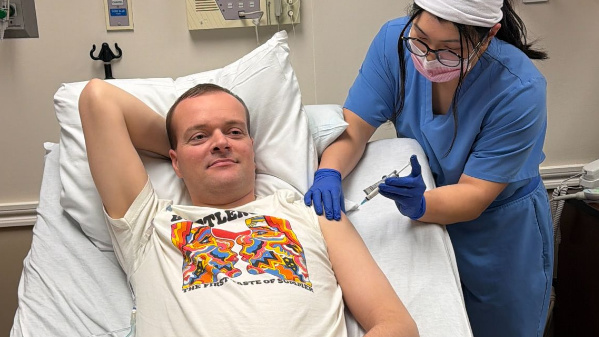
Sid Sibrandi, co-founder of the source code repository GitLab, which went public in 2021, has been diagnosed with osteosarcoma, a type of bone cancer. While undergoing various treatments, Sibrandi has analyzed a massive 10 terabytes of data he collected himself and, by simultaneously pursuing cutting-edge personalized medicine, has dramatically improved his condition. He is now steadily establishing a new company that utilizes technologies such as whole-genome sequencing, which can be performed for around $500 (approximately 75,000 yen), in order to spread his treatment approach to other patients.
Cancer - Sytse.com
Sibrandi moved from the Netherlands to the United States in 2016 and participated in the founding of GitLab.
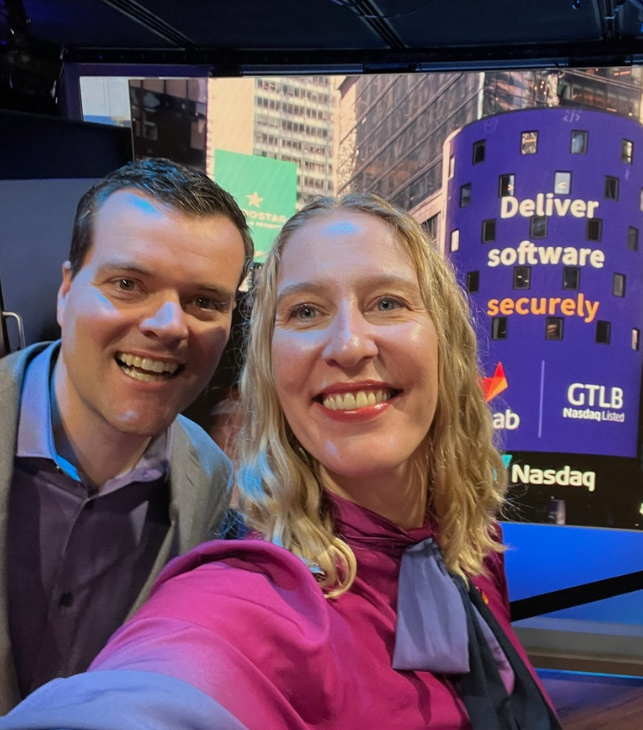
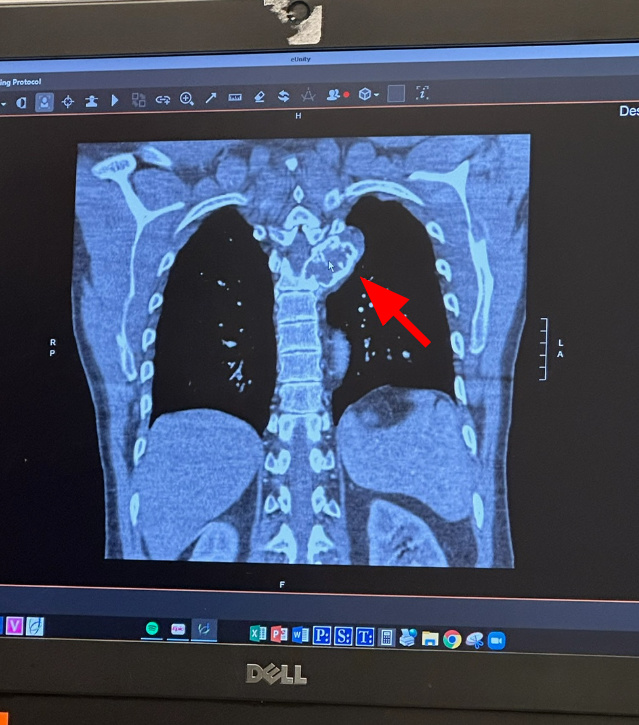
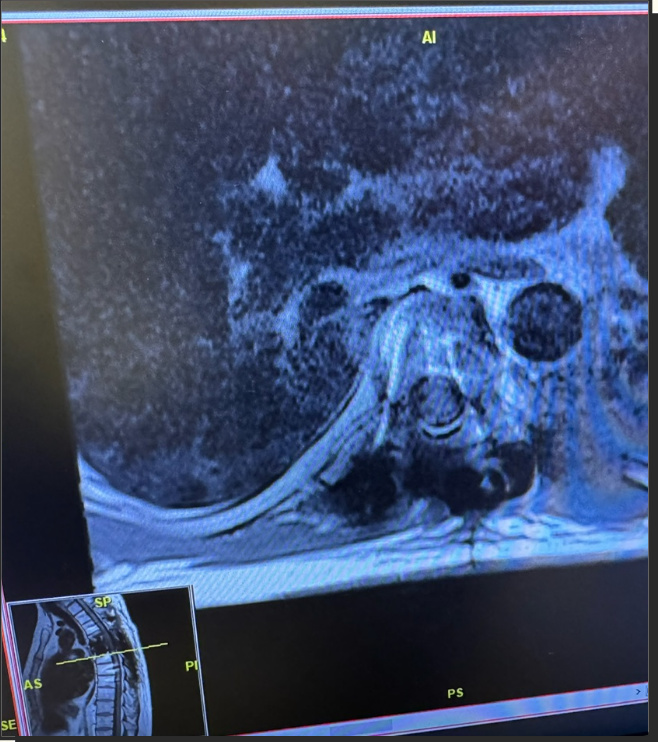
However, in 2022, the year after the company's initial public offering (IPO), Lablandi went to the emergency room after experiencing chest pain and was diagnosed with osteosarcoma, a type of bone cancer. A 6cm tumor was compressing nerves and had invaded his spine, so he had to have a vertebra removed and his spine fixed with a titanium frame.
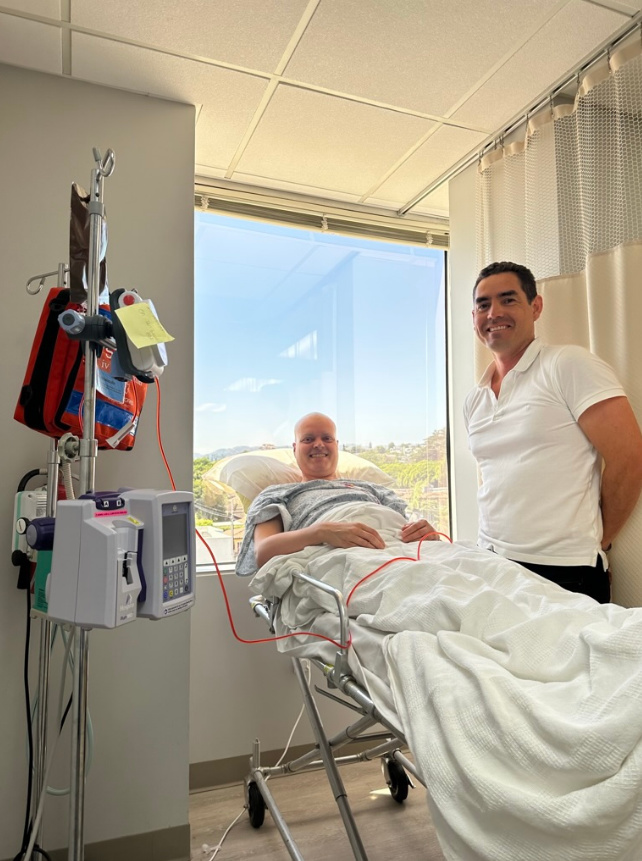
In early 2023, Sibrandi reportedly underwent all standard medical treatments. She received radiation therapy and intensive chemotherapy, but said the side effects were severe and that she needed four blood transfusions to keep her alive.
Subsequently, Sibrandi invested in a friend's company, whom he met through the venture fund Y Combinator, and became the largest investor in Shasqi, a cancer drug development startup.
Shasqi was working on developing a pharmacochemical and biochemical chemotherapy regimen for sarcomas that was highly effective while minimizing toxicity. Ms. Sibrandi became involved not only as an investor and friend of the founder, but also as a patient, and was able to obtain the drug through an IND (Investigative Drug) application for her individual patient.
However, in 2024, the cancer recurred locally. Sibrandi says, 'The message at that time was basically, 'I've exhausted all standard treatments. There might be a clinical trial somewhere, but good luck.'' Although she tried every proven treatment, Sibrandi's disease is rare and she did not meet the inclusion criteria for any clinical trial. Nevertheless, Sibrandi did not give up and decided that she would 'go anywhere and do anything for treatment.'
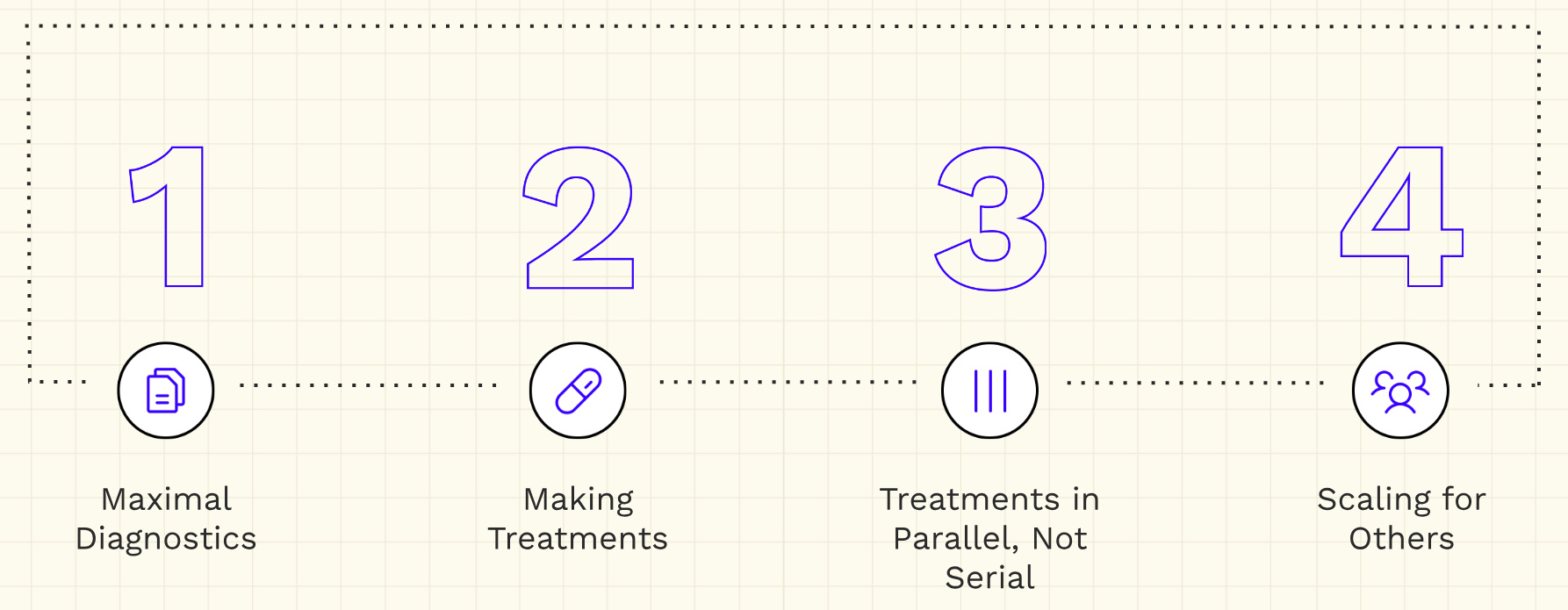
'My approach is to not compromise,' says Sibrandi. This approach involves frequently performing every available diagnostic test, collaborating with research institutions and companies to develop personalized treatments, and pursuing all of these simultaneously. Sibrandi explains that instead of waiting for the cancer to progress, he tries multiple approaches, quickly measures their effectiveness through diagnostics, and simultaneously tries to make these approaches available to other people.
He states that this includes starting a new company focused on 'medicine that may no longer be effective for me, but could be wonderful for someone else.'
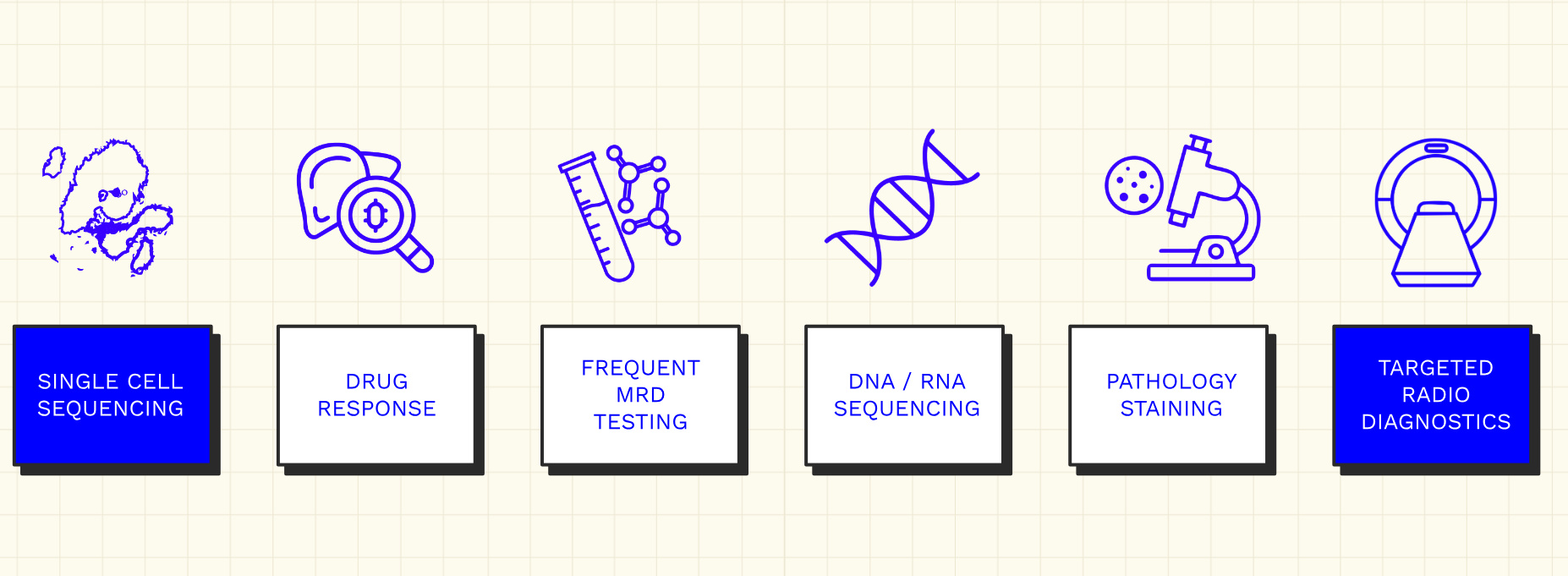
At the time of writing, Sibrandy's approach to himself includes single-cell sequencing to confirm target cell-specific expression and identify T-cell receptor sequences within tumors, several different drug response tests to assess the effectiveness of drugs against tumors, regular minimal residual disease (MRD) blood tests from multiple donors, whole-genome and bulk RNA sequencing to understand the overall mutational picture and broad expression profiles, and pathological staining of therapeutic target markers to identify targets for ADCs and CAR-T therapies.
Dr. Sibrandi asserts that the 'scalability to other people' of these therapies is fundamentally not outrageously expensive. The new therapies Dr. Sibrandi has presented are by no means standard treatments and presuppose the generation and management of vast amounts of data. However, at the time of writing, sequencing has become very high-performance and affordable. Whole genome sequencing can be done for about $500 (approximately 75,000 yen), and one company offers bulk RNA sequencing starting from $50 (approximately 7,500 yen). In addition, AI tools such as ChatGPT are becoming increasingly capable. Of course, these tools will not replace collaboration with physicians, but Dr. Sibrandi emphasizes that they are helpful in formulating hypotheses. Furthermore, affordable generic drugs may also exist. Dr. Sibrandi says he is actively establishing new companies that will make these new therapies more accessible.
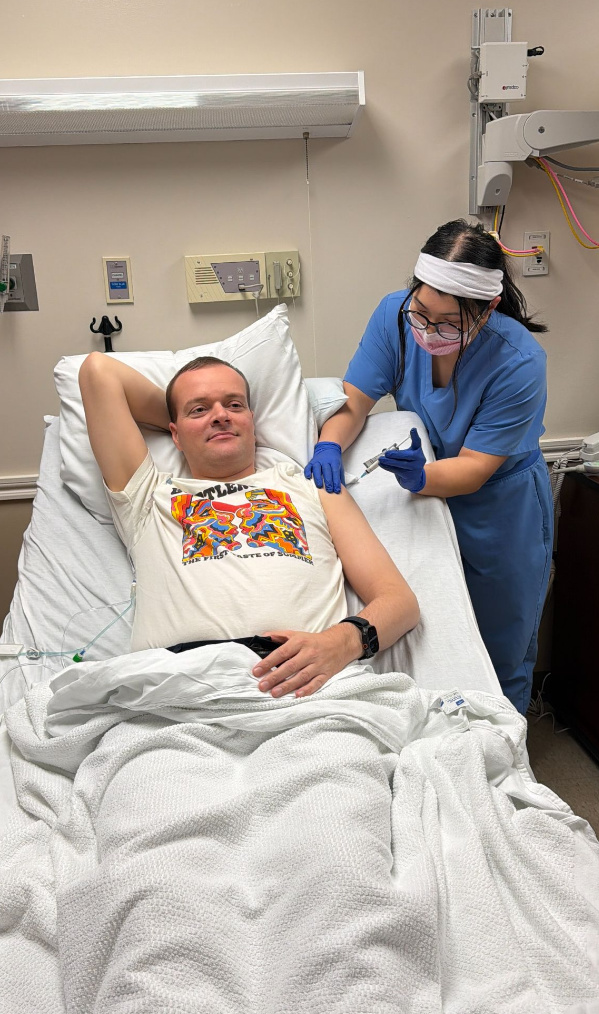
Dr. Sibrandi himself confirmed through single-cell analysis that his tumor showed strong fibroblast markers, and in February 2025, he underwent FAP radioligand therapy in Germany. This decision was made to overcome the situation where the tumor was located in his spine and surgery was extremely difficult. As a result of the treatment, the tumor shrank dramatically in March, making surgical removal possible in April, and by June, the tumor was undetectable in scans. During this process, a dramatic change in the immune environment was also observed, with the T-cell infiltration rate within the tumor increasing from less than 20.0% to more than 80.0%.
Furthermore, he carefully selected the optimal neoantigen from his own tumor data and manufactured and administered an mRNA vaccine in a short period of less than six months. To measure the effectiveness of this vaccine in real time, he designed a flow panel using markers and is monitoring the response of T cells in his blood in detail. In parallel, he is also working with Pathfinder Oncology on a project to identify specific receptors from his own blood and develop modified TCR-T cell therapy.
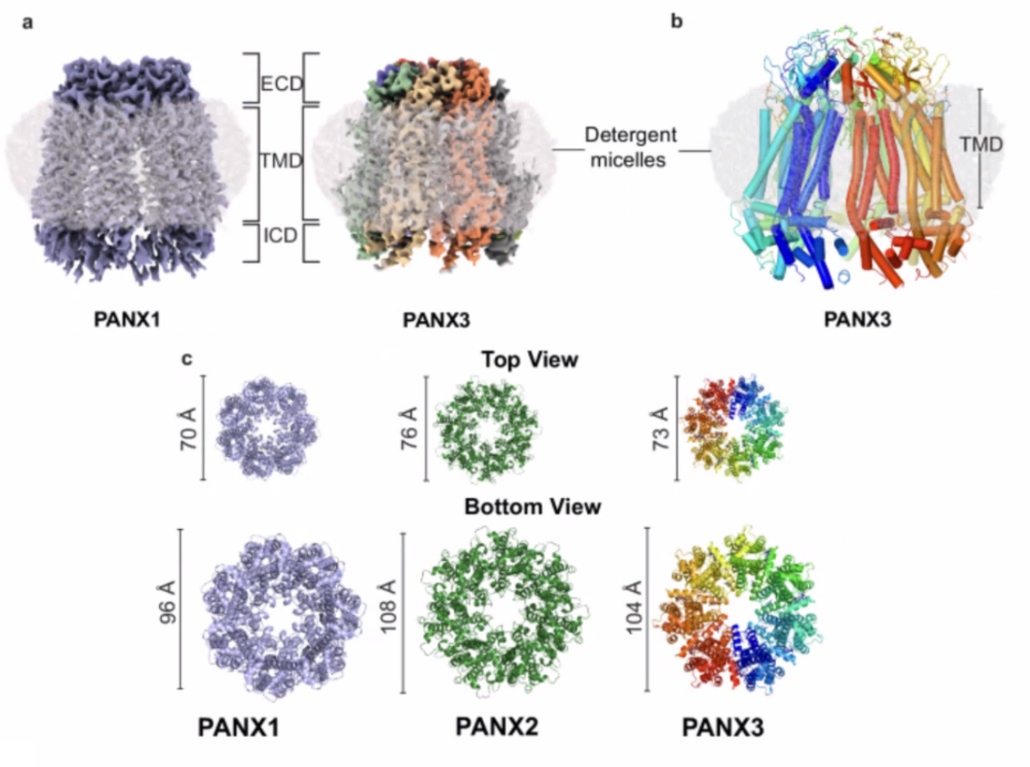
Regarding CAR-T therapy, imaging studies in China revealed that the initially targeted immune-related molecule B7-H3 accumulates strongly in the liver, leading to a change in approach for safety reasons. As of the time of writing, they have developed a targeted system using an IF-THEN circuit, incorporating a sophisticated design that is close to programming, targeting FAP and PANX3 while avoiding attack on the liver.
Elliot Hashberg, a cancer researcher and friend of Siblandi, said, 'I started my career as a cancer researcher, but I'm not a professionally trained oncologist. Neither is Sid. So, not everything I've said should be interpreted as medical advice.' He added, 'I was struck by the words of (science fiction writer) William Gibson, 'The future is already here. It's just not distributed evenly,'' emphasizing that researchers, companies, and regulators are working hard to ensure that the benefits of cutting-edge medicine reach more people.
Related Posts:







in Science, Posted by log1i_yk