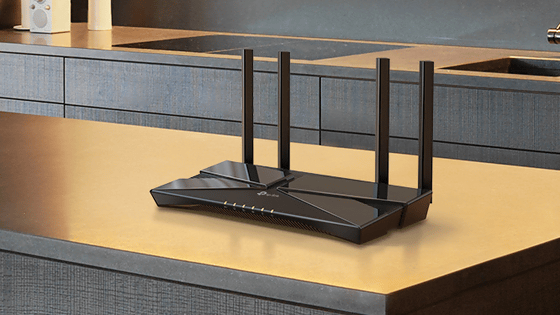
The US government has banned the import and sale of consumer routers manufactured outside the United States.
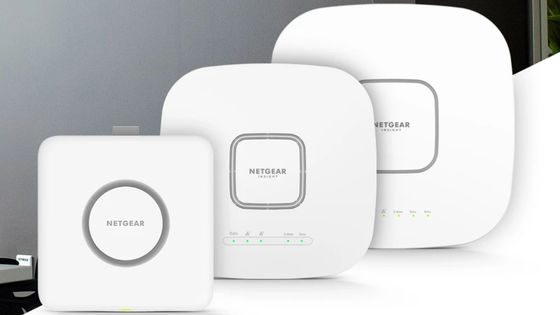
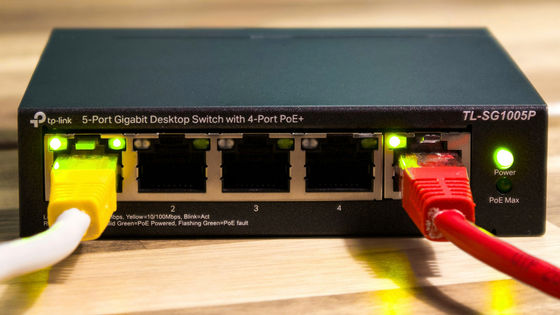
The U.S. Federal Communications Commission (FCC)'s Public Safety and Homeland Security Agency announced that it has added routers manufactured outside the United States to its Covered List, citing unacceptable risks to national security and public safety. This measure will prohibit new routers manufactured outside the United States from obtaining wireless certification, effectively making their import and sale in the U.S. impossible.
FCC'S PUBLIC SAFETY AND HOMELAND SECURITY BUREAU ANNOUNCES ADDITION OF ROUTERS PRODUCED IN FOREIGN COUNTRIES TO FCC COVERED LIST
(PDF file)
The US government just banned consumer routers made outside the US | The Verge
https://www.theverge.com/news/899172/fcc-foreign-router-ban
This decision is based on a national security judgment received on March 20, 2026, which pointed out that vulnerabilities in routers manufactured outside the United States are being exploited by malicious attackers for home surveillance, intellectual property theft, and attacks on critical infrastructure. In particular, some foreign-made routers are being used by cyberattack groups such as Vault Typhoon, Flux Typhoon, and Salt Typhoon to attack critical infrastructure in the United States, including communications, energy, transportation, and water.
Chinese government-backed hacker group 'Salt Typhoon' found to have infiltrated multiple internet providers - GIGAZINE

The FCC concluded that 'the majority of routers used in the United States are manufactured abroad, and this dependence creates vulnerabilities in the supply chain, which could cause serious harm to the American economy, national defense, and the people.'
Routers subject to regulation, according to the National Institute of Standards and Technology (NIST) definition, are consumer network devices primarily intended for residential use. This includes devices where any major production stage, such as manufacturing, assembly, design, or development, takes place outside the United States.
However, companies that have already obtained wireless certification for certain foreign products will continue to be able to import them, and existing users will not be restricted from continuing to use the equipment they currently own. In addition, companies that continue to manufacture outside the United States will need to obtain conditional approval from the U.S. Department of War (DoW) or Department of Homeland Security (DHS) in order to be granted an exception.
Companies applying for conditional approval are required to disclose detailed information about their corporate structure, executives, bills of materials, the countries of origin of their software and firmware, and the identification of single points of failure in their supply chain. Furthermore, to obtain approval, they must submit a concrete plan for establishing manufacturing facilities in the United States and appoint a person responsible for reporting on its progress quarterly. Approval is valid for a maximum of 18 months, but will be immediately revoked if false reports are found.
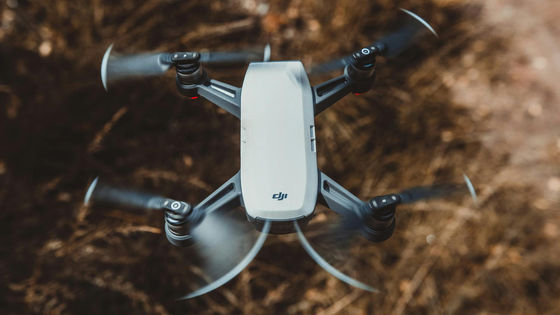
This measure follows a similar trend to the ban on drones made outside the United States that was implemented in December 2025, forcing manufacturers to choose between establishing production systems in the United States or abandoning the future launch of their products in the American market, as drone manufacturer DJI did.
The US government has blacklisted DJI's new model and all other foreign-made drones - GIGAZINE
Related Posts: