Iran's blockade of the Strait of Hormuz could trigger a 'fertilizer shock,' potentially leading to rising food prices and food shortages worldwide.

Iran, under attack from the United States and Israel, has retaliated
How the Iran war could create a 'fertiliser shock' – an often ignored global risk to food prices and farming
https://theconversation.com/how-the-iran-war-could-create-a-fertiliser-shock-an-often-ignored-global-risk-to-food-prices-and-farming-277552
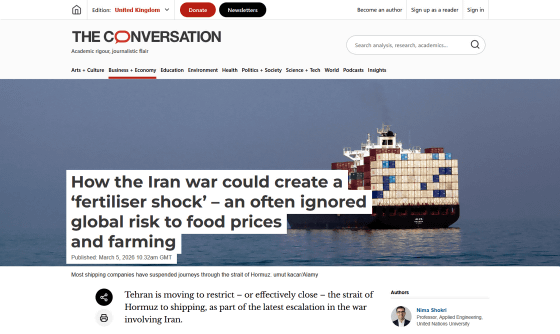
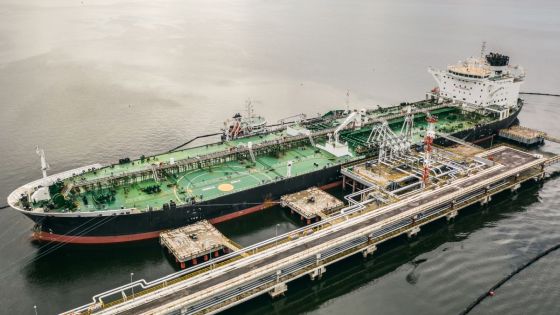
The Strait of Hormuz is a vital route for transporting oil produced by the Persian Gulf countries, with an estimated 20% of global fuel exports passing through it. As a result, in response to Iran's blockade of the Strait of Hormuz, the market is facing rising crude oil prices and the resulting inflationary pressures.
However, Shokri and his colleagues point out that the energy problems caused by the blockade of the Strait of Hormuz are only one aspect of the situation. Often overlooked, they argue that the blockade of the Strait of Hormuz would trigger a 'fertilizer shock,' such as soaring fertilizer prices and reduced supply, posing a direct risk to global food security.
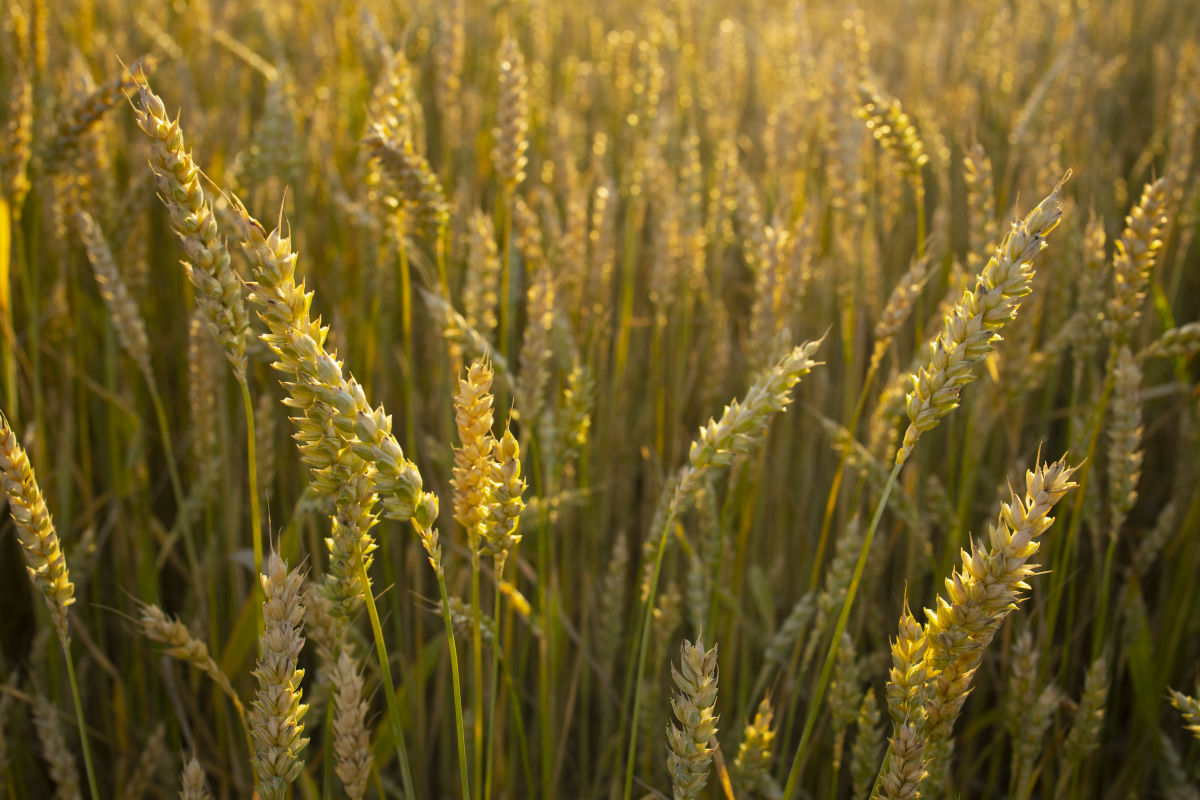
Modern agriculture relies heavily not only on sunlight and soil, but also on nitrogen fertilizers produced by
Urea is the most widely used nitrogen fertilizer in the world, and it makes it possible to produce enough food to feed the global population. If nitrogen fertilizers were to become unavailable, there is a risk that yields of major crops such as wheat, corn, and rice would decrease dramatically, making it impossible to produce enough food to feed the population.
Iran's blockade of the Strait of Hormuz is problematic because approximately one-third of the urea traded worldwide passes through the Strait of Hormuz . The Persian coastal states are the region where natural gas, essential for ammonia production, can be sourced at the lowest prices in the world, and have developed as centers of urea production. Furthermore, countries such as Qatar, Saudi Arabia, and the United Arab Emirates have positioned ammonia and urea as important export industries and have made massive capital investments to increase their production capacity.
Therefore, a significant amount of nitrogen fertilizer traded worldwide, as well as liquefied natural gas (LNG) used as fuel in fertilizer factories in other regions, must pass through the Strait of Hormuz. Iran's blockade of the Strait of Hormuz threatens not only the export of oil and gas, but also the physical flow of nitrogen fertilizer, which is essential for agriculture.
Furthermore, sulfur , an essential nutrient for plant growth, is mainly produced as a by-product of petroleum and gas processing. Therefore, if energy transport through the Strait of Hormuz is disrupted, sulfur production will also decrease. Thus, Chokri et al. pointed out that a blockade of the Strait of Hormuz would worsen food insecurity through various channels.

Direct consequences of a blockade of the Strait of Hormuz could include delays in shipments of ammonia, urea, and LNG, potentially leading to a complete halt in shipments due to soaring transportation and insurance costs, and potentially causing fertilizer prices to skyrocket. In countries in the Northern Hemisphere, fertilizer purchases accelerate before the planting season, and if fertilizers do not arrive on schedule, farmers will be forced to accept price increases or change their crop mix.
Shokli and his colleagues stated, 'Given how crops respond to nitrogen fertilizers , even a slight reduction in nitrogen fertilizer use could lead to a significant decrease in yields. This could result in the loss of millions of tons of crops. The impact would ripple through the entire global supply chain, affecting the feed market, livestock, biofuels, and ultimately, retail food prices.'
While some countries have their own sources of fertilizer, India requires LNG to operate its domestic urea plants, and even the United States, one of the world's leading fertilizer producers, imports considerable amounts of ammonia and urea to meet regional demand. Therefore, even if a country produces its own fertilizer, it cannot escape the effects of a blockade of the Strait of Hormuz.
Furthermore, even if a country tries to start its own nitrogen production to address the shortage of nitrogen fertilizer, securing funding and constructing factories will take many years. Until fertilizer production gets on track, citizens will be exposed to rising prices and unstable food supplies for several years or more.
Shokli et al. stated, 'While energy markets can absorb shocks through stockpiling and substitution, the global food system has far weaker buffers. Prolonged disruption in the Strait of Hormuz would not only lead to fluctuations in oil prices but also test the resilience of the industrial nitrogen cycle on which modern civilization depends.' They added, 'The most serious cost of closing the Strait of Hormuz may not be Brent crude oil , but rather rising global food supply costs.'
Related Posts:





in Note, Posted by log1h_ik