Samsung's R&D chief explains why the Galaxy S26 doesn't have a magnet
Apple released '
Why no magnets in Galaxy S26? Samsung R&D chief explains | The Verge
https://www.theverge.com/news/885616/samsung-galaxy-s26-no-magnets-because-people-use-cases
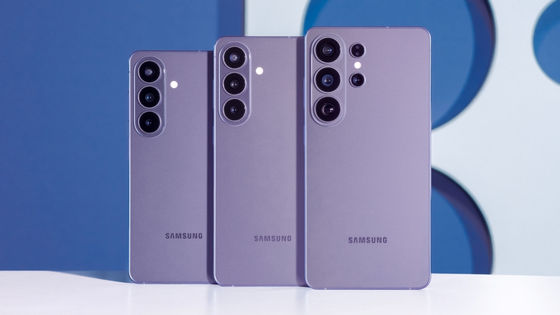
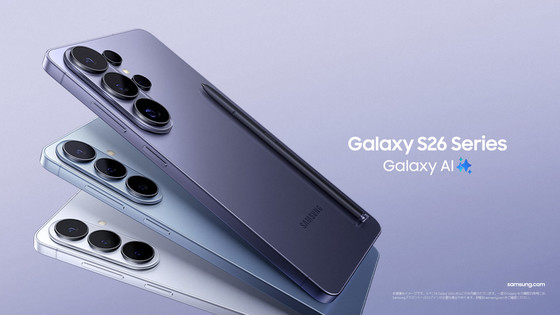
Samsung held its new product launch event, Unpacked , on February 26, 2026, where it unveiled the Galaxy S26 series and Galaxy Buds 4 series. The newly announced Galaxy S26 series uses Galaxy AI to understand user intent and shorten the steps required to take action, making everyday tasks more intuitive and user-friendly. For example, it understands the user's usage and intent, proactively providing support, presenting necessary information at the right time, and automating tasks with minimal effort.
Samsung announces third-generation AI phone 'Samsung Galaxy S26 / S26 + / S26 Ultra' - GIGAZINE
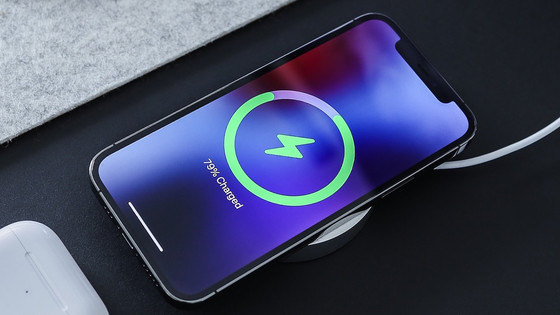
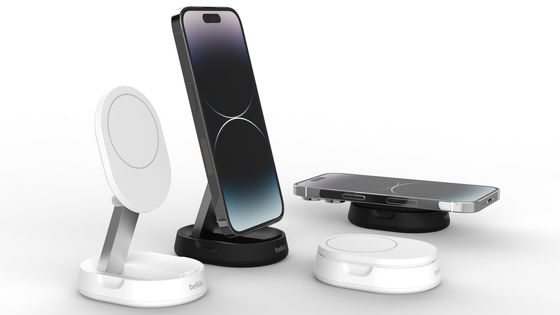
After MagSafe was announced for the iPhone 12, in January 2023, MagSafe technology was officially adopted for Qi2, the next-generation standard for wireless charging, the international standard for Qi. In response, Google announced the Pixelsnap, which will be compatible with Qi2 starting with the Pixel 10 series, and will have a built-in magnet that allows dedicated accessories to be attached magnetically. However, the Galaxy only uses ' Qi2 Ready ,' which complies with Qi2 by incorporating magnets in the case rather than the device itself.
Apple's MagSafe technology will be adopted for the next-generation wireless charging standard 'Qi2' - GIGAZINE
Technology media The Verge directly asked Wonjun Choi, head of research and development (R&D) and operations at Samsung's mobile division, 'Why doesn't Galaxy have a built-in magnet in its smartphone?'
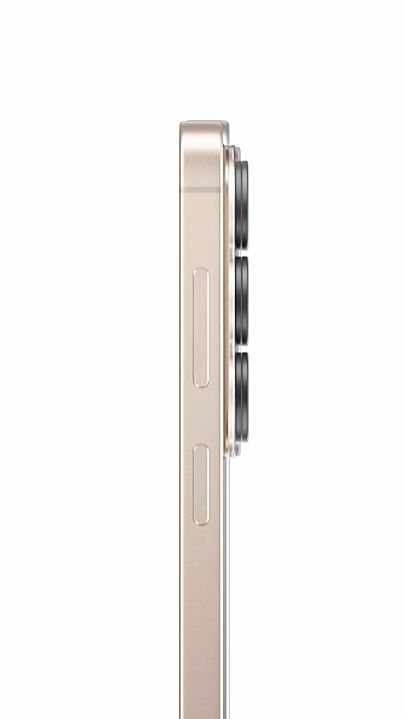
Choi pointed out that incorporating magnets into smartphones would create an undesirable trade-off: the phone would be thicker, which would be even more of a problem for many users because they would use their phones in a case.
He also said that there are cases with magnets, and if you use one of those, there's no reason to have a magnet built into the device.
In other words, Samsung wants to use the thickness of the phone to accommodate a larger battery or make the phone even thinner, rather than using it for magnets.
However, that doesn't mean Samsung isn't considering incorporating magnets into its smartphones. 'We're currently doing a lot of research to make sure that there's no harm done to the device itself. Once we're able to do that, we'll integrate them,' Choi said, hinting at a future plan for incorporating magnets into smartphones.
With wireless charging, even a slight misalignment between the charger and smartphone can cause the battery to not charge properly or significantly reduce charging efficiency. For this reason, MagSafe and Pixelsnap, which ensure the correct positioning of the wireless charger and smartphone, are extremely important for wireless charging users.
Wireless charging of smartphones is extremely inefficient, consuming about 1.5 times more power than wired charging - GIGAZINE
Related Posts:

in Hardware, Smartphone, Posted by logu_ii