Obese people are at higher risk of hospitalization and death from infectious diseases, study finds
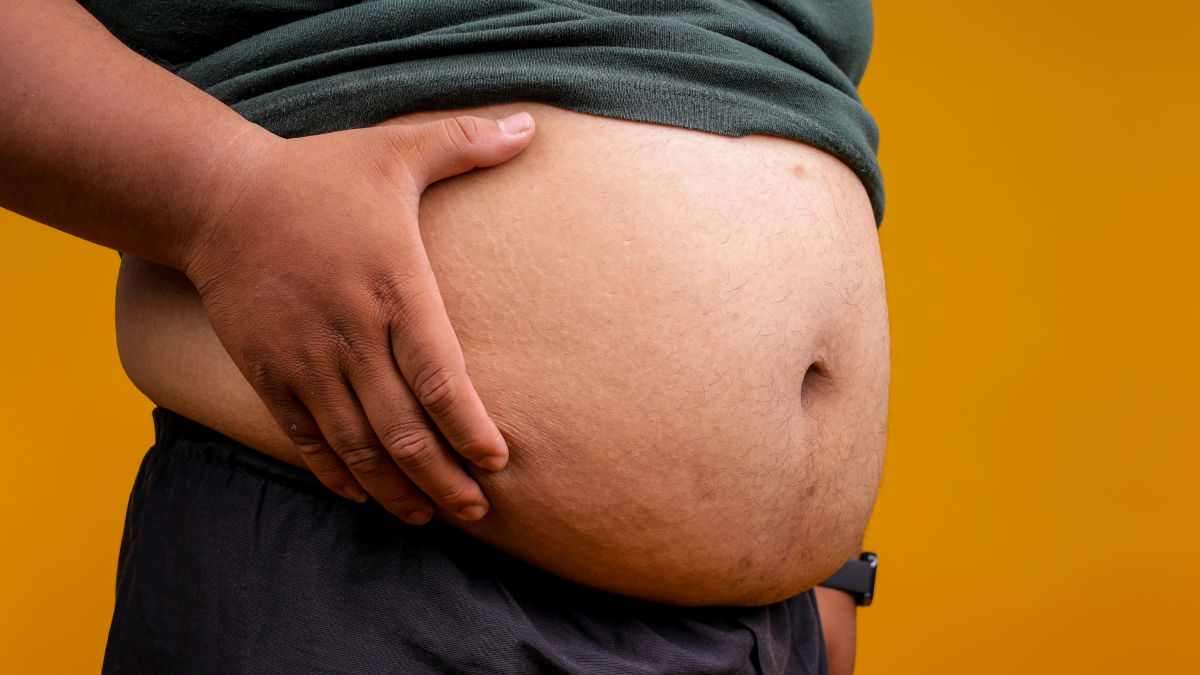
The rise of obesity has become a global health problem, and in Australia, it has been reported that being overweight
Adult obesity and risk of severe infections: a multicohort study with global burden estimates - The Lancet
https://www.thelancet.com/journals/lancet/article/PIIS0140-6736(25)02474-2/fulltext
Obesity may make people more likely to die from severe infections, study finds | Live Science
https://www.livescience.com/health/viruses-infections-disease/obesity-is-linked-to-1-in-10-deaths-from-infection-worldwide-and-scientists-are-still-learning-why
During the COVID-19 pandemic, which has raged around the world since 2020, it has been reported that obese people are at higher risk of hospitalization and death. Therefore, a research team led by Professor Mika Kivimaki , an epidemiologist at University College London , investigated the association between obesity and all infectious diseases, not just COVID-19.
The study used data from the UK Biobank , a large database linking genetic sequences and medical records of UK adults, and two large databases collected in Finland, covering a total of more than 540,000 people.
In the Finnish database, participants self-reported their height and weight to calculate their body mass index (BMI), while participants in the UK Biobank had their waist circumference measured, in addition to a more precise measurement using a body composition scale.
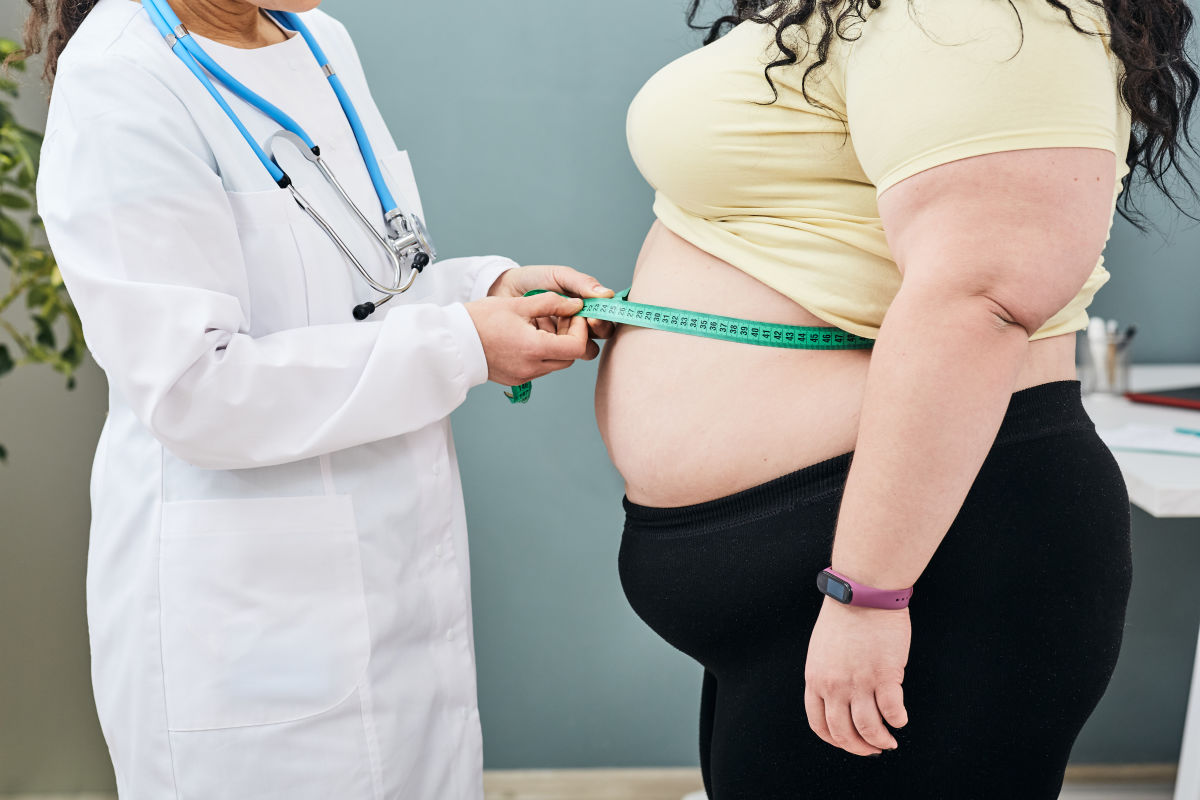
In this study, obesity was defined as a BMI of 30 or higher, a waist circumference of 102 cm or higher for men and 88 cm or higher for women, and a waist circumference/height ratio of 0.6 or higher.
When the researchers took age and gender into account, they found that obese people had a 70% higher risk of hospitalization or death from an infection. This association held true regardless of the individual's definition of obesity, the type of pathogen (bacterial, viral, fungal, or parasitic), socioeconomic status, physical activity level, or the presence or absence of diabetes.
The study also found that the higher the level of obesity, the higher the risk of infection. People with a BMI of 30-34.9 had a 50% higher risk of infection, hospitalization, and death compared to those with a BMI of less than 30. Those with a BMI of 35-39.9 had twice the risk, and those with a BMI of 40 or higher had three times the risk. Furthermore, those who gained or lost weight after the initial baseline measurement also had a corresponding increase or decrease in the risk of severe infection.
When the research team applied their estimates of the risk of infectious diseases from obesity to global data, they estimated that obesity contributed to approximately 8.6% of infectious disease-related deaths in 2018, approximately 15% in 2021, and approximately 10.8% in 2023.
'Obese people may have a harder time fighting infections. Excess body fat can have a variety of effects on the immune system, including impaired lymphatic function, reduced lung function, and increased long-term low-level inflammation,' Kivimaki told Live Science. The lymphatic system is known to not only maintain fluid balance in the body, but also to help train and transport immune cells.

While this study only shows a link between obesity and infections, it does not prove any causal relationship. However, there is a growing body of evidence linking obesity and the immune system, such as the fact that preadipocytes, which later differentiate into fat cells, function like immune cells , and that pro-inflammatory substances are secreted from adipose tissue, causing chronic inflammation .
Furthermore, previous research has shown that obesity not only influences infection risk, but also that certain pathogens are associated with the development of obesity, but the evidence has primarily come from laboratory animals, and data from humans is still inconclusive.
Obesity is not something that can be easily treated, as it is influenced by a wide range of factors, including not only the individual's willpower but also genetics, childhood experiences, cultural norms, economic disadvantage, mental health, psychiatric disorders, and occupation. However, in recent years, the emergence of GLP-1 receptor agonists such as semaglutide has made obesity easier to treat for some people.
Kivimäki points out that the effect of drugs like semaglutide on the risk of infection is not yet clear, but adds: 'In future studies, we would like to better understand why obesity increases the risk of severe infections and what can be done to reduce that risk.'
Related Posts:








in Free Member, Science, Posted by log1h_ik