A 14-year-old boy is working on creating a lightweight, simple, and durable emergency shelter using origami.
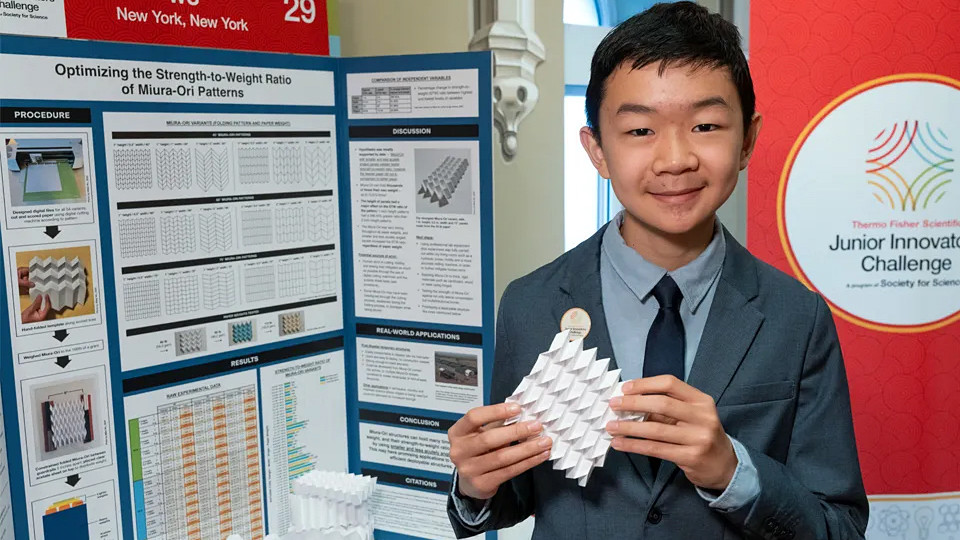
Origami, the art of folding a single sheet of paper to create structures, has also attracted attention in the field of engineering. Miles Wu, a 14-year-old student at
Miles Wu - Society for Science
https://www.societyforscience.org/jic/2025-student-finalists/miles-wu/
14-year-old Combines Origami and Physics to Optimize Foldable Structures for Disaster Relief Shelters; Wins $25,000 Top Award at Thermo Fisher Scientific Junior Innovators Challenge - Society for Science
https://www.societyforscience.org/press-release/thermo-fisher-jic-top-awards-2025/
This 14-Year-Old Is Using Origami to Imagine Emergency Shelters That Are Sturdy, Cost-Efficient and Easy to Deploy
https://www.smithsonianmag.com/innovation/this-14-year-old-is-using-origami-to-design-emergency-shelters-that-are-sturdy-cost-efficient-and-easy-to-deploy-180988179/
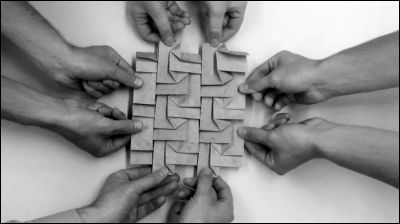
Miura folding is a folding technique invented by Kosuke Miura, which allows large pieces of paper to be folded into a small shape and then unfolded with little force. It is used in many products, including maps and sunshades. You can get a good idea of what Miura folding is by watching the video below.
miura-ori/Miura fold - YouTube
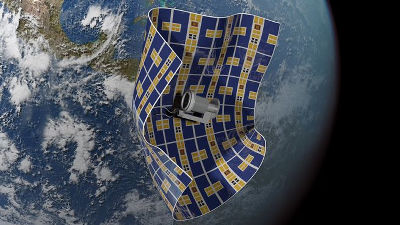
The Miura folding technique's unique feature of being able to 'pack a large piece of paper into a small shape and deploy it with little force' has also attracted attention in the field of space development. In 2010, the IKAROS solar power sail demonstration vehicle, which adopted the Miura folding technique, was launched and successfully deployed in space. The IKAROS sail was a square with sides measuring approximately 14 meters and was designed to be extremely thin at just 7.5 microns, but by using the Miura folding technique, it was able to deploy with little force and without damage.
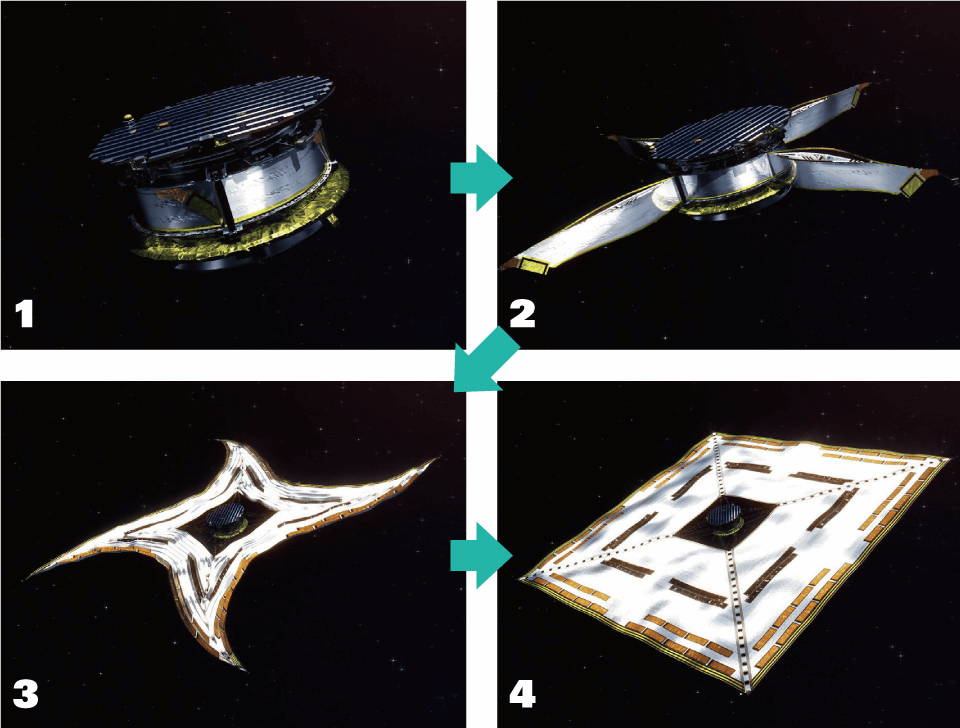
Wu was also fascinated by the Miura folding technique's ability to pack a large piece of paper into a small shape and unfold it with little force, and came up with the idea of using it to develop a deployable shelter that would be useful in times of disaster.
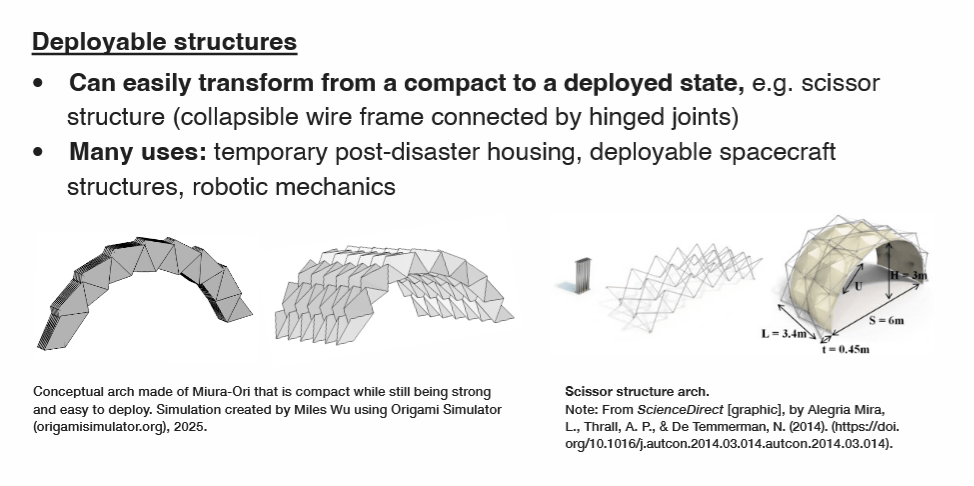
Wu experimented with changing the size and angles of the parallelograms that make up the Miura fold to find a folding method strong enough to be used as a shelter. At first, he used cast iron frying pans as weights to test the strength of the folds, but as the strength increased, these weights became insufficient, so he begged his parents to buy him a 23kg training weight.
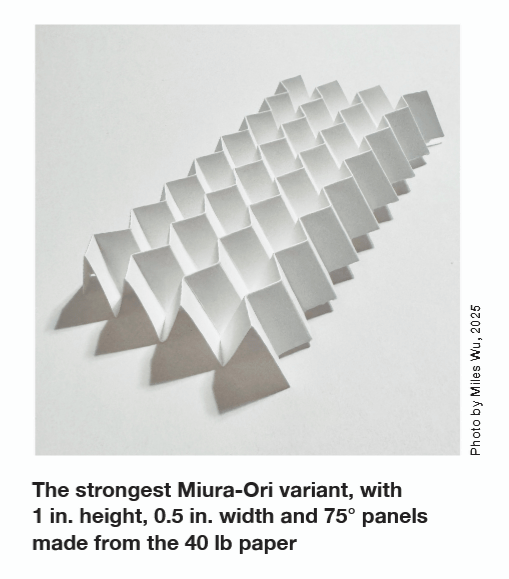
The results showed that the Miura folding method, which involves folding the structure at a 75-degree angle, produced the strongest structure, capable of withstanding 10,673 times its own weight.
Wu won the Society for Science's (SFS) science competition for junior high school students and received a prize of $25,000 (approximately 3.8 million yen). Wu plans to continue his research.
Professor Glaucio Paulino of Princeton University, who studies origami-based engineering, praised Wu's work, but pointed out some challenges: 'To develop a shelter, we need to expand the design, which will require us to consider thicker paper than ever before. However, the strength of origami does not change linearly.' He also expressed hope for future progress in the research, saying, 'As the design expands, we will also need to consider the design of joints and arches.'
Related Posts: