Horses can sense fear by smelling human sweat
It's often said that horses can sense human emotions, and new research has revealed that they can detect fear by smelling our sweat.
Human emotional odours influence horses' behavior and physiology | PLOS One
Smell plays an important role in animal communication. While some animals have been observed to be sexually attracted to urine or fearful of predators, much remains unknown about humans, especially how smell affects interactions between humans and other animals.
Researchers at the University of Tours in France, based on previous research showing that horses can read human facial expressions, believe that horses have advanced cognitive abilities and decided to observe how horses perceive human scents.
The researchers had 30 volunteers watch footage from a horror movie and then collected sweat samples from cotton pads placed under their armpits to capture the sweat samples they used to express fear. Similarly, the same volunteers were shown scenes like the dance scene from ' Singin ' in the Rain ,' and sweat samples were collected from the volunteers to capture the sweat samples they used to express joy.
Singin' in the Rain (Singin' in the Rain Theme song) - YouTube
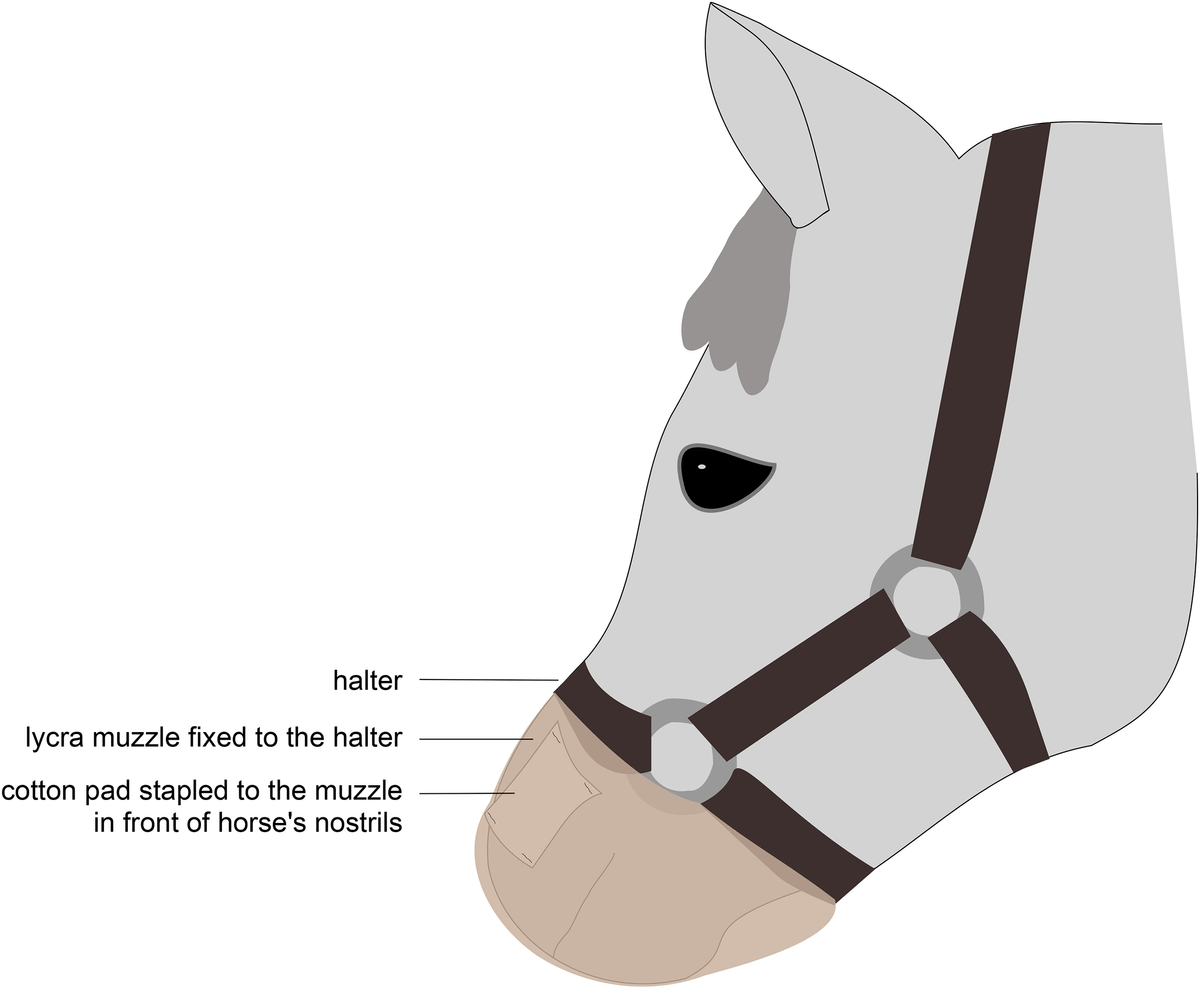
The researchers then placed muzzles on 43 horses, each containing a cotton pad, and tested how the horses responded to four different behaviors: a human grooming the horse, a human standing near the horse, a human suddenly opening an umbrella near a feeding horse, and a human placing an unfamiliar object near the horse.
The results showed that horses who smelled fear sweat became nervous, stared at unfamiliar objects longer, had higher maximum heart rates, and were less likely to touch or approach humans. Because the horses were unable to visually recognize human emotions during the experiment, it is thought that they were more influenced by the smell.
The researchers found no significant differences in the behavior of horses that smelled joy sweat compared to those that smelled unused cotton pads. 'Positive signals may be less salient than negative signals, or the cues from 'joy' in other species may be too complex compared to 'fear' to produce observable differences in behavior or physiology,' the researchers concluded.
The researchers said: 'It is intriguing that different species appear to respond to each other's emotional signals, and that there is a similarity in the way that fear in humans can lead to negative emotions in horses. These findings go beyond our understanding of interspecies communication and may also have practical implications. For example, a trainer's fear or stress may influence a horse's behaviour, or in equestrian competitions or therapeutic riding, human fear may unintentionally increase a horse's reactivity, increasing the risk of accidents. We believe that future strategies that take human signals into account may be developed.'
Related Posts: