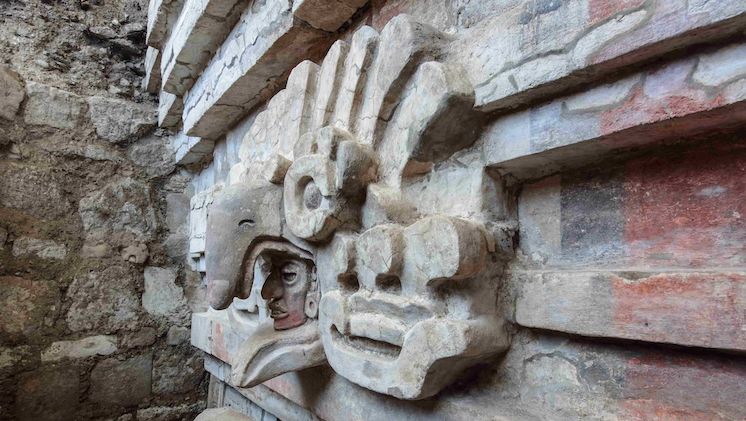
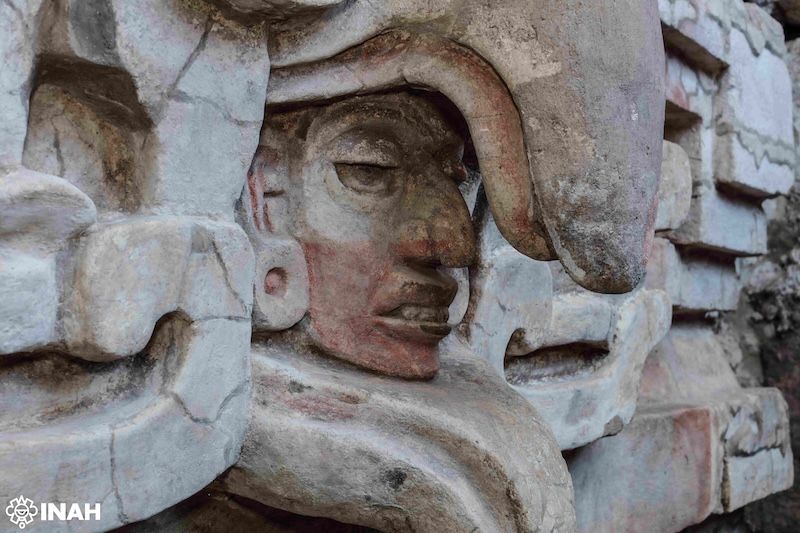
Spectacular 1,400-year-old tomb ruins discovered in Mexico, featuring a giant owl sculpture with a human head in its beak
by INAH
On January 23, 2026 local time, Mexico's
El Gobierno de México anuncia el descubrimiento de una milenaria tumba zapoteca
https://www.inah.gob.mx/boletines/el-gobierno-de-mexico-anuncia-el-descubrimiento-de-una-milenaria-tumba-zapoteca
An Intact 1,400-Year-Old Zapotec Tomb Discovered in Oaxaca
https://www.labrujulaverde.com/en/2026/01/an-intact-1400-year-old-zapotec-tomb-discovered-in-oaxaca/
The tomb was discovered in San Pablo Huitzo, Oaxaca , in southwestern Mexico, and is believed to have been built around 600 AD by the Zapotec civilization, which flourished mainly in Oaxaca.
The tomb is a combination of an antechamber and a burial chamber, and its walls are decorated with sculptures and paintings with religious and social significance. Mexican President Claudia Sheinbaum commented, 'The state of preservation and the quality of the information it provides make this the most important archaeological discovery in Mexico in the last decade.'
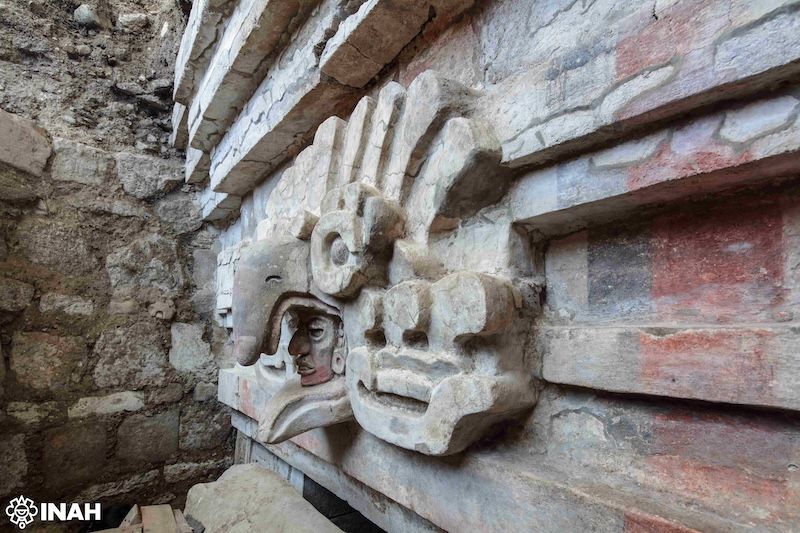
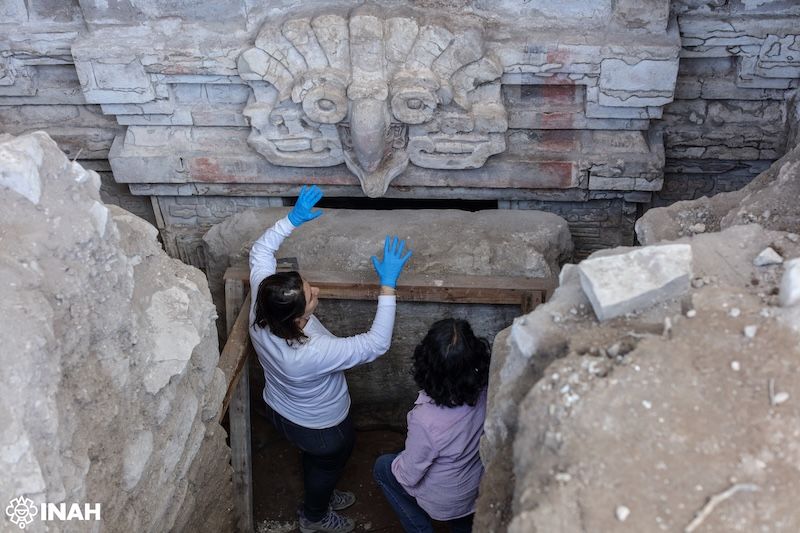
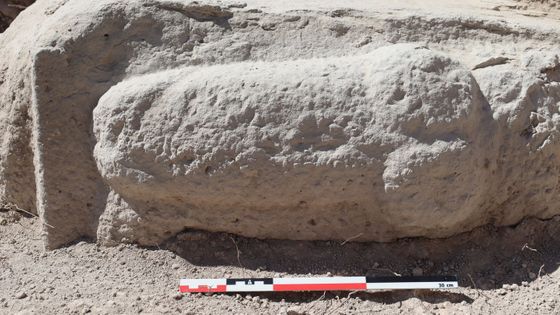
The photo below shows an owl sculpture above the entrance to the 'Antechamber.' For the Zapotec people, the owl is a bird that embodies the concepts of 'night' and 'death.'
by INAH
Within the owl's beak is
by INAH
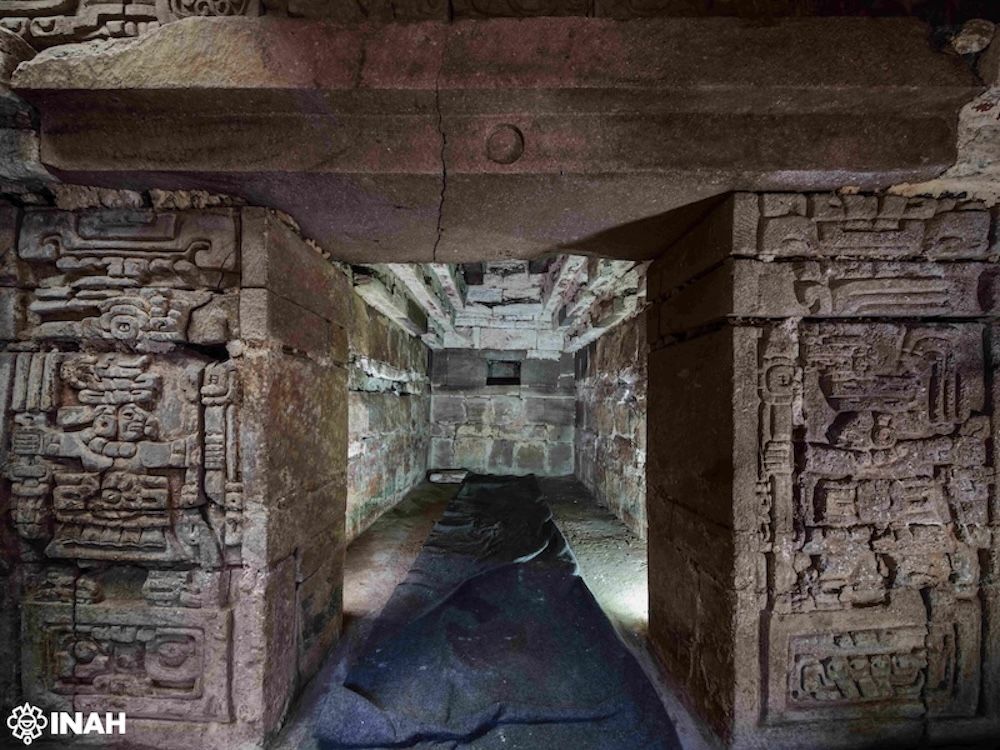
The entrance to the antechamber is decorated with exquisite carvings, including a frieze containing precise chronological and genealogical information. The side pillars are adorned with figures of men and women wearing elaborate headdresses and holding artifacts. Their postures and placement suggest they represent guardians of the tomb.
by INAH
The walls of the 'anteroom' and 'burial chamber' are surprisingly well preserved considering their age, depicting processions of people carrying offerings in mineral colors such as ochre, white, green, and red. However, the murals have deteriorated due to factors such as the intrusion of plant roots and insects, as well as sudden changes in humidity and temperature underground. INAH is currently working to document and preserve the paintings using photogrammetry .
by INAH
'This discovery is extremely important for its state of preservation and for revealing the Zapotec social organization, funerary rites and worldview preserved in its architecture and murals,' said Mexico's Minister of Culture, Claudia Curiel de Icaza. 'It is a powerful example of the greatness of ancient Mexico, which is now being studied, protected and shared with society.'
Related Posts:





in Note, Posted by log1h_ik