OpenAI announces 'ChatGPT Healthcare,' which connects to personal health records and app data to conduct medical interviews
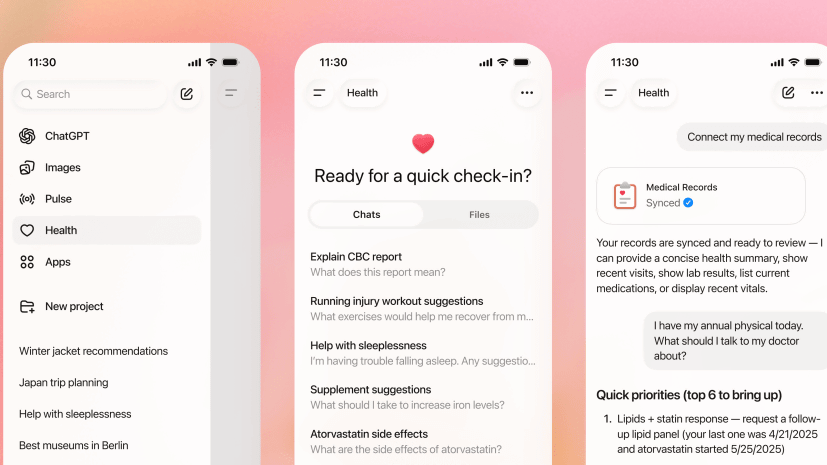
On January 7, 2026, OpenAI announced ChatGPT Healthcare, a dedicated feature for ChatGPT designed for health and wellness. This feature is designed to allow users to ask questions about their health in a safer and more personalized environment, complementing care from healthcare professionals and helping users understand and proactively manage their own health information.
ChatGPT Healthcare Launches | OpenAI
AI as a Healthcare Ally - How Americans are navigating the system with ChatGPT
(PDF file) https://cdn.openai.com/pdf/2cb29276-68cd-4ec6-a5f4-c01c5e7a36e9/OpenAI-AI-as-a-Healthcare-Ally-Jan-2026.pdf
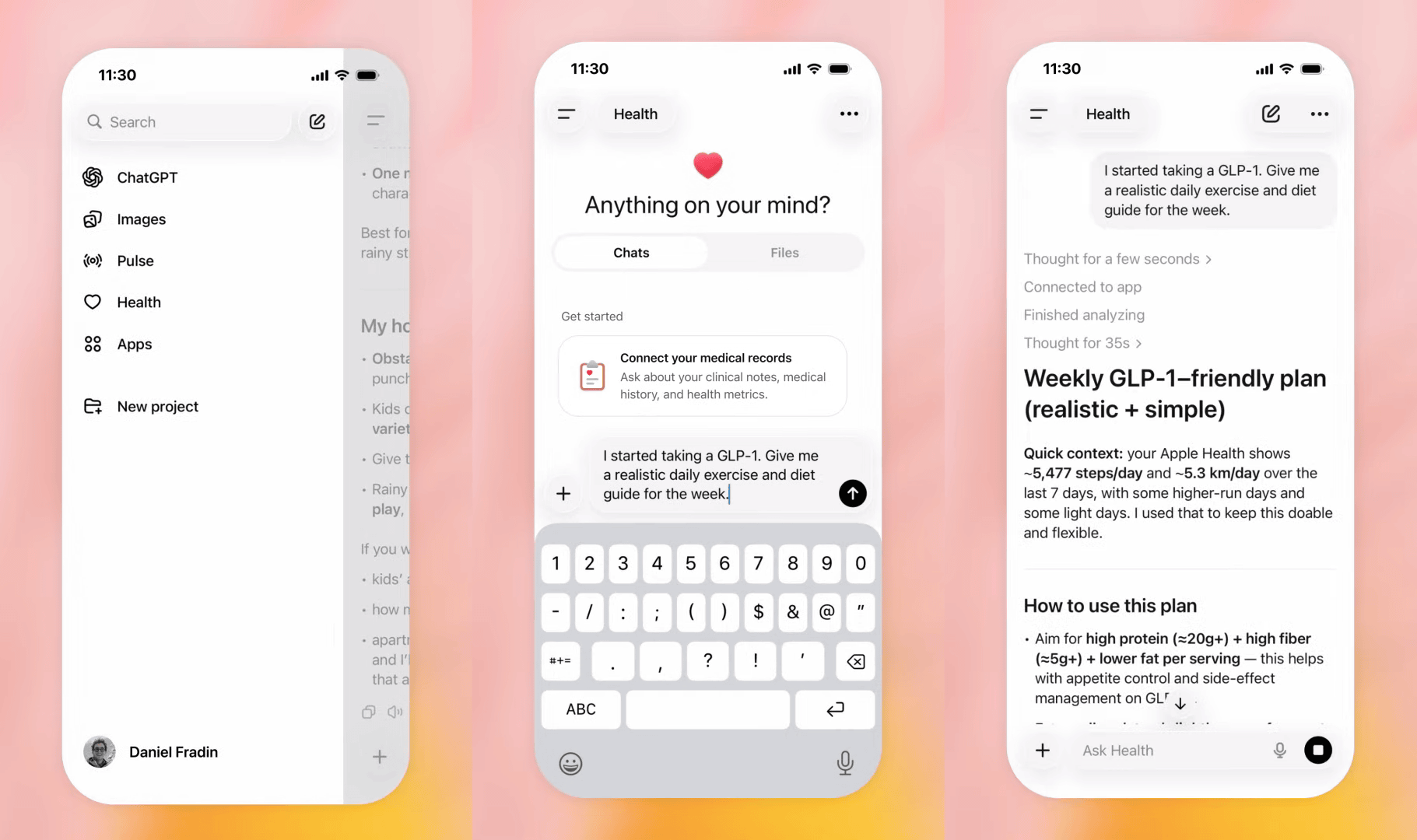
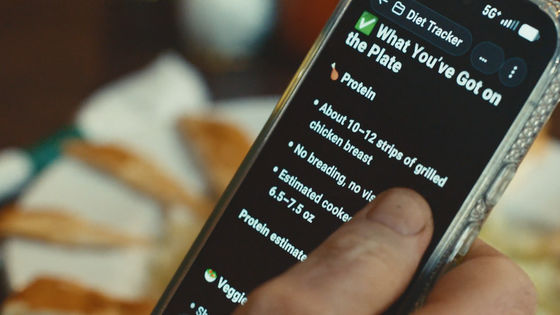
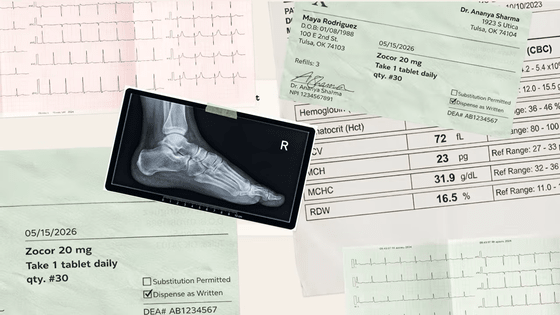
ChatGPT Healthcare is a feature that securely connects your medical records and wellness apps to provide specific answers based on your personal data.
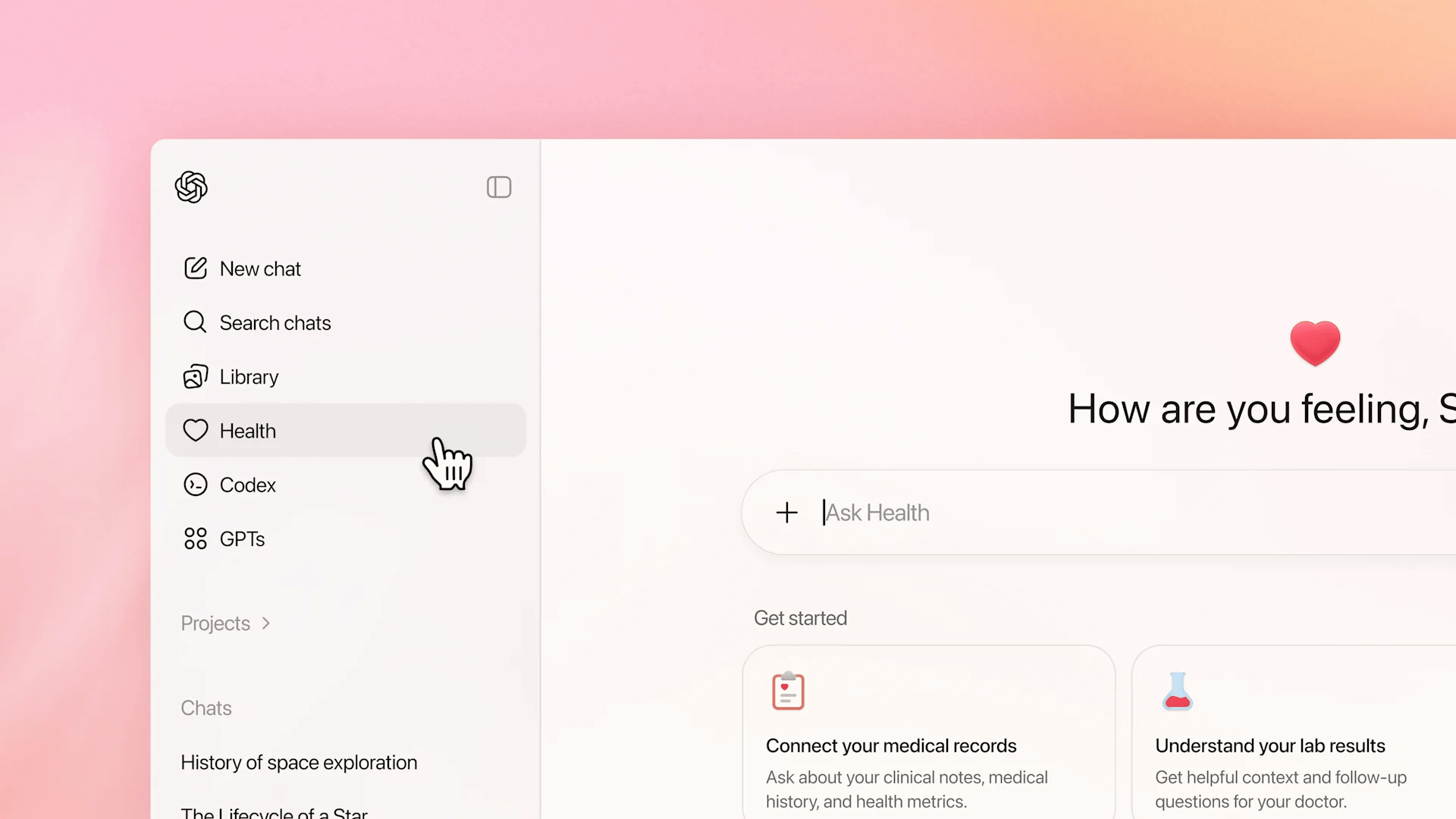
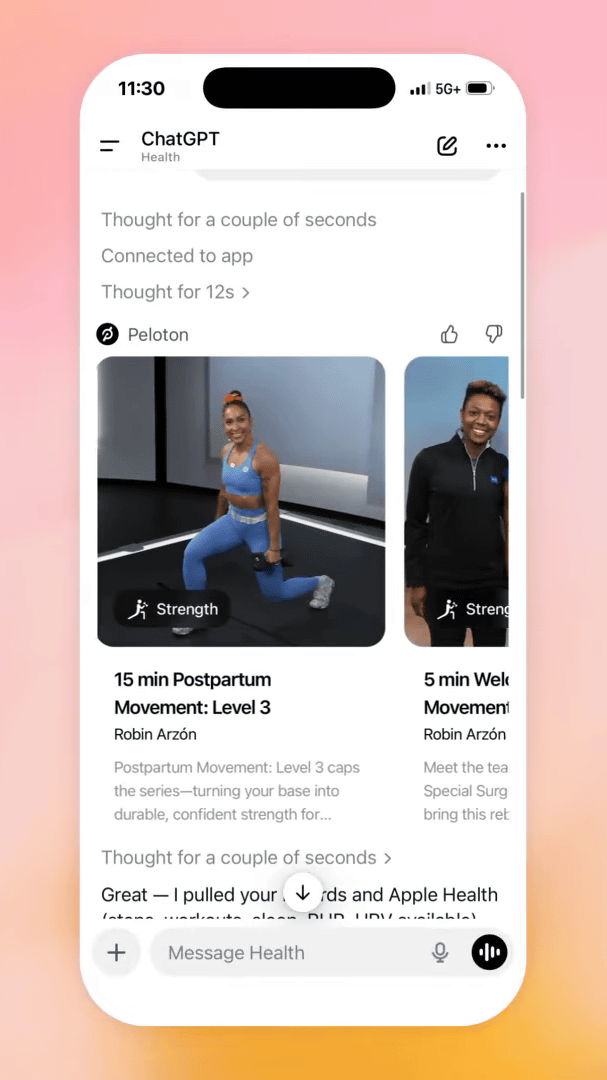
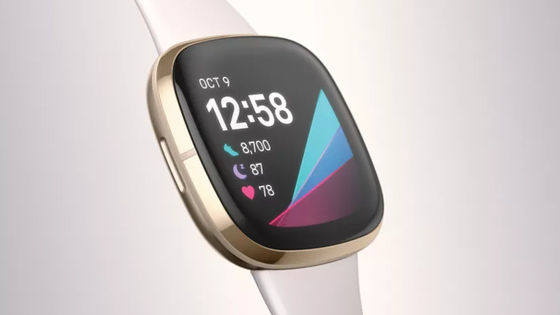
ChatGPT Health can connect with apps like Apple's Health app,
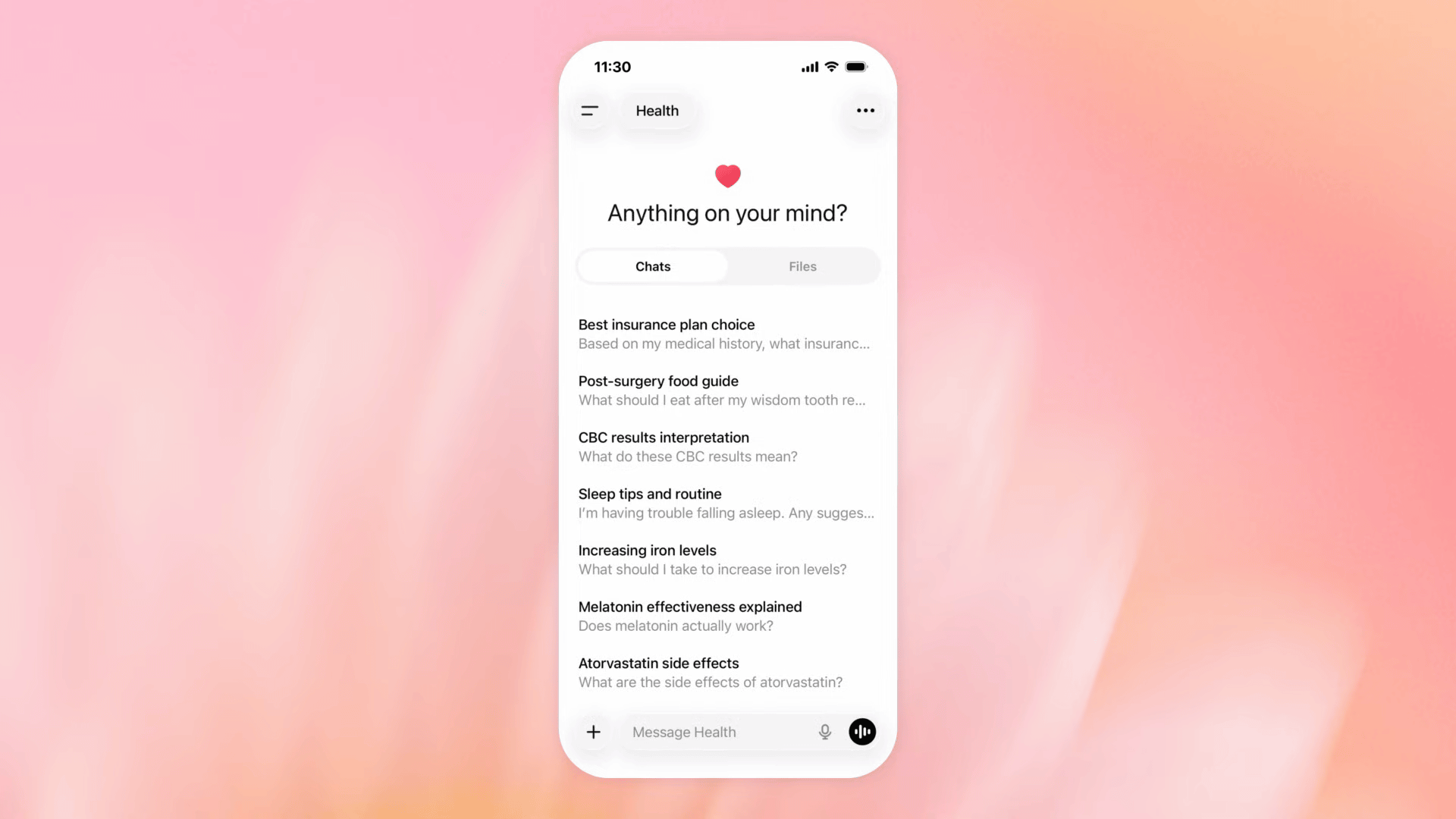
Regarding security, ChatGPT Healthcare provides dedicated space and memory. Health-related conversations, data from connected apps, and uploaded files are not used to train the underlying model and are kept separate from the main chat history. Data is also encrypted both at rest and in transit, and given the sensitivity of health information, additional protections such as custom-designed encryption and physical isolation are in place.
Furthermore, user proactive data management is also a key element of security. Medical records and wellness apps are connected only with the user's explicit permission, and the information provided is limited to the minimum necessary. Data sharing with healthcare providers in the United States is conducted via the b.well network, which adheres to the highest industry security standards, and the connection can be disabled at any time in the 'Settings' menu. Additionally, OpenAI recommends enabling multi-factor authentication (MFA) to prevent unauthorized access.
OpenAI claims that its clinical safety has been developed over two years in collaboration with over 260 specialists from over 60 countries. The AI's responses are rigorously evaluated using a physician-created evaluation framework called '
At the time of writing, ChatGPT Healthcare requires users to request access by joining a waiting list. It will initially be available as a beta for a small number of early adopters, but will be gradually rolled out to all web and iOS users, regardless of subscription type, within the next few weeks.
According to a report published by OpenAI titled 'AI as a Healthcare Ally,' more than 5% of ChatGPT messages worldwide are health-related, with hundreds of millions of exchanges taking place every week. In the United States in particular, ChatGPT is also used to navigate the complex medical system, with 1.5 million to 2 million health insurance consultations per week. It's also heavily used in 'medical deserts,' where the nearest hospital is more than 30 minutes away by car, with an average of more than 580,000 messages sent each week from these areas across the United States.
According to OpenAI, adoption is also progressing among medical professionals, with 66% of American physicians reporting that they will be using AI for at least one purpose by 2024. This is a significant increase from 38% the previous year. Looking ahead, OpenAI suggested accelerating scientific discovery through secure connection of medical data and clarifying regulations for AI medical devices.
Related Posts:


in AI, Web Service, Smartphone, Posted by log1i_yk