Meet the man fighting for the right to control garage door openers
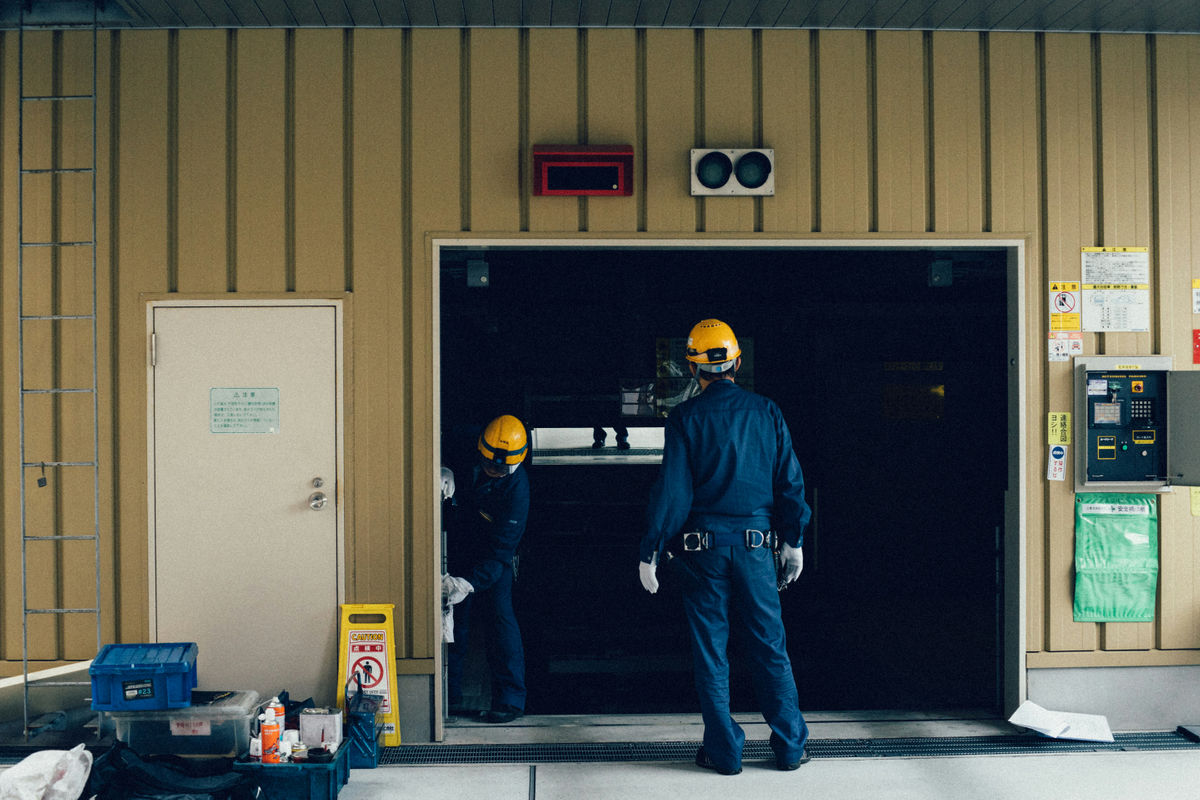
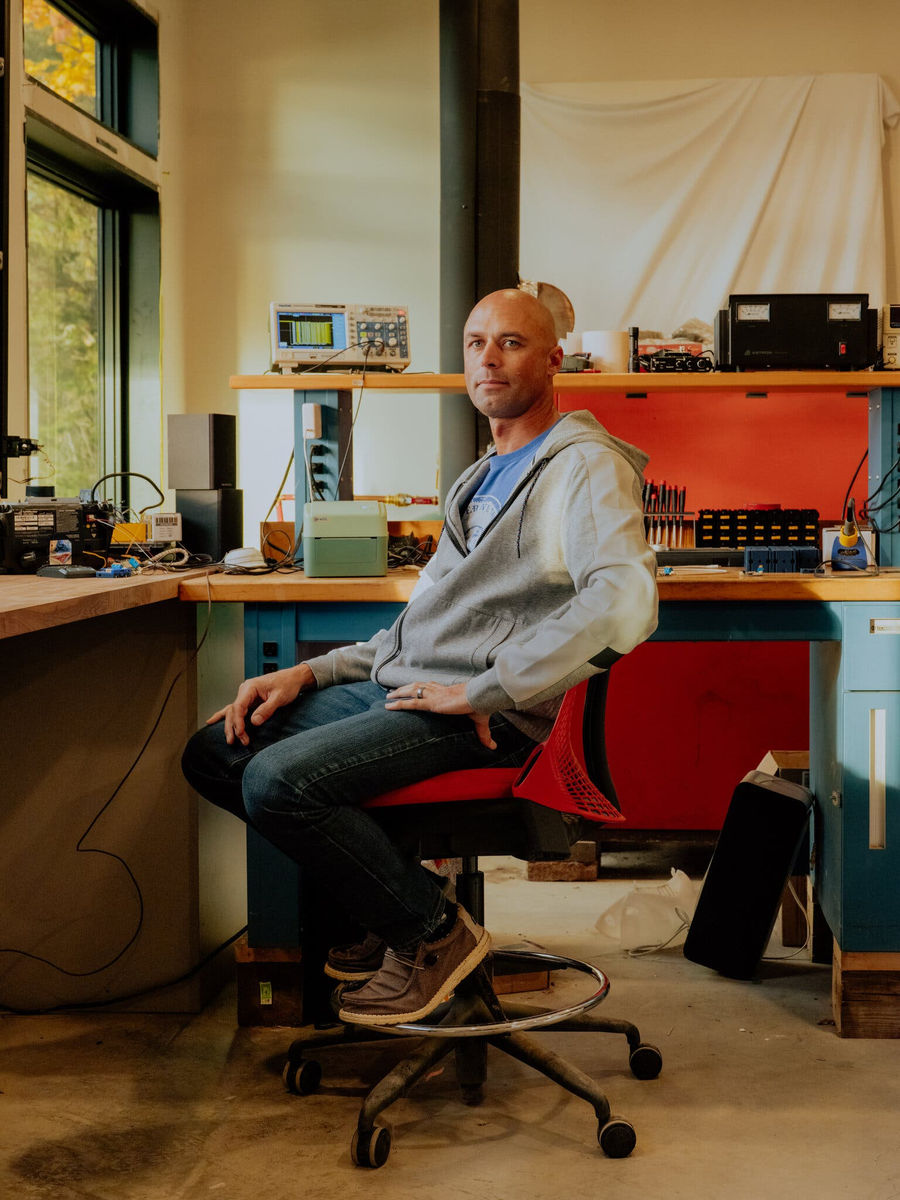
Paul Wieland, a 44-year-old IT professional, was featured in the New York Times for modifying a 'connected smart garage door,' and more and more Americans are campaigning for the 'right to repair' to allow them to repair commercially available products themselves.
Why One Man Is Fighting for Our Right to Control Our Garage Door Openers - The New York Times
The right to repair is the right to demand that consumers be able to repair their devices themselves or through third parties without relying on the manufacturer. The expansion of this right is being sought primarily in the United States as a way to avoid the problem of manufacturers monopolizing repair methods, which can lead to high repair costs.
When renovating his home in the Adirondack region of New York, Wieland noticed that the Chamberlain garage door he purchased required a connection to the manufacturer's internet server. Wieland decided to develop his own system to connect to the garage door, thinking that it should only work over a local Wi-Fi network for privacy reasons.
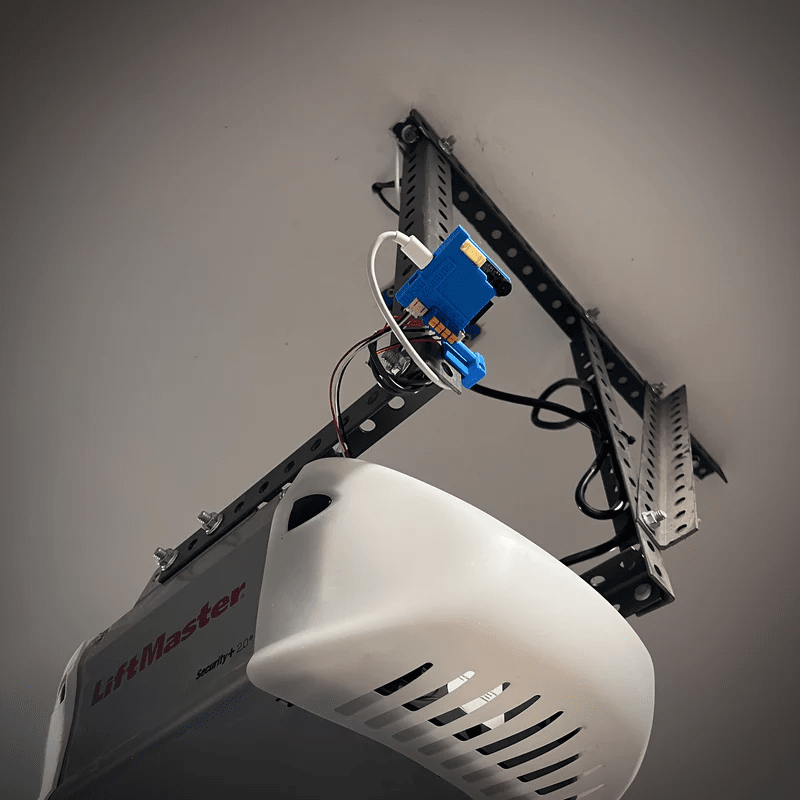
Wieland named the device '
Chamberlain originally developed the 'MyQ' hub, which allows users to control any garage door opener using home automation software from Google and other companies. The company also offers a free MyQ app, which remains widely used at the time of writing. However, starting around 2023, the company stopped supporting third-party access to its MyQ servers.
Chamberlain explained that the change was made to improve product reliability, but it effectively cut off connectivity from Apple and Google's Home app, sparking customer frustration. Wieland said RATGDO sales have skyrocketed since the change.
Chamberlain offers its app for free, but allows its partners to offer the service to their customers for a fee. 'There's a lot of public frustration with companies that sell you hardware that connects you to the internet, but then they change the way it works or they charge you a monthly fee to make a pittance,' said Wheeland. 'I'm really scared of a future where consumers will accept this and it becomes the norm.'
Chamberlain isn't the only company trying to offer a service that was previously free or a one-time purchase for a monthly fee. In 2022, BMW came under fire for offering heated seats as a monthly subscription, leading to a congressional debate before ultimately switching to a one-time purchase.
BMW changes seat heaters offered in subscription format to buy-out format - GIGAZINE

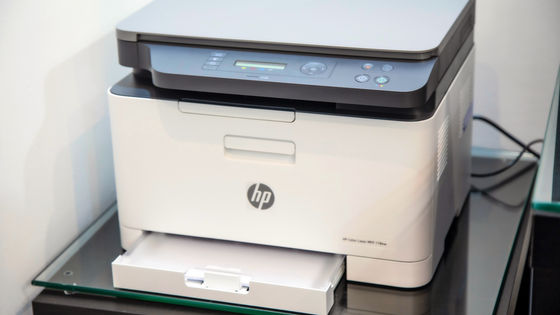
Another frequent criticism is that some printer manufacturers have taken protective measures to exclude non-genuine inks and to stop the printer from working if non-genuine inks are used.
HP issues update that causes printers to refuse to print when non-genuine ink is used, sparking user outrage - GIGAZINE
For this reason, the nonprofit FULU Foundation runs a program that offers rewards to anyone who can restore functionality to devices that have been disabled by the manufacturer. For example, in 2025, Google ended support for a product that was more than 10 years old, causing some functions to become unusable. A programmer who released open-source software that restored the device to working condition received a reward of approximately $15,000 (approximately 2.3 million yen) from FULU.
However, consumer advocacy group US PIRG points out that such workarounds are rare, explaining, 'The Digital Millennium Copyright Act (DMCA), enacted in the 1990s to combat content piracy, limited the ability to circumvent digital locks built into devices. As a result, tools to remove subscription requirements for car heaters or printers are rarely released.'
The New York Times questioned, 'The problem of manufacturers changing hardware specifications after purchase remains largely unresolved. If companies can freely modify the internet-connected products consumers buy, what is ownership anymore?'
Related Posts: