Do full moon nights make people unable to sleep?
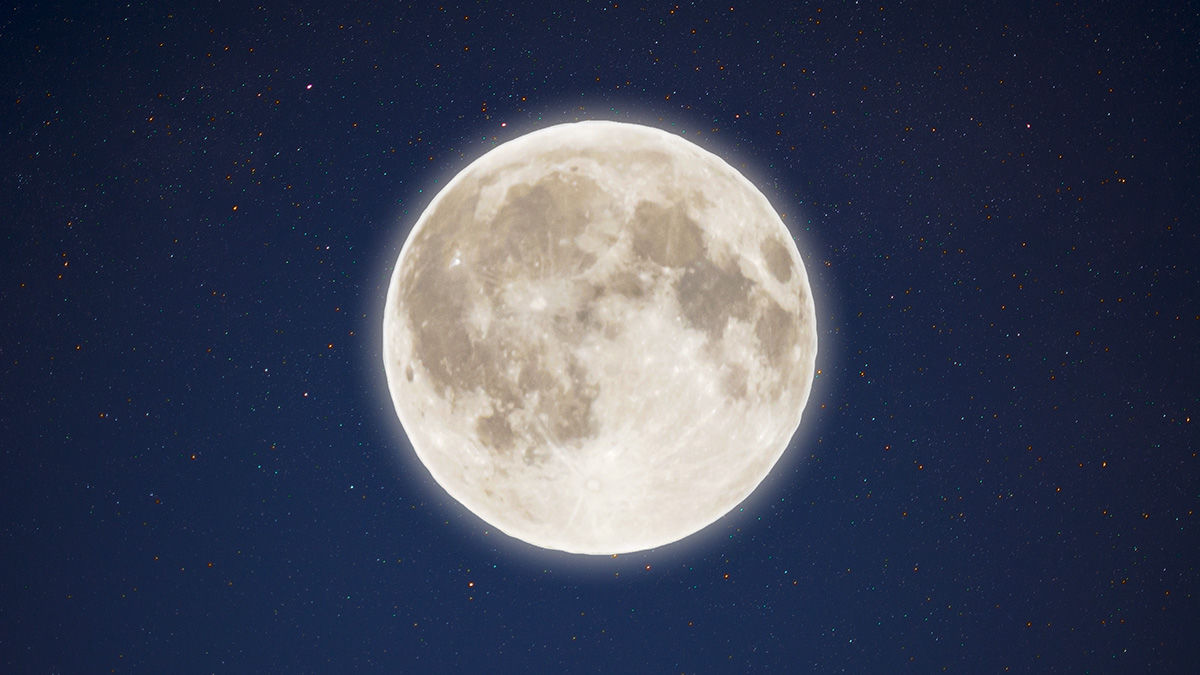
The idea that the moon has magical powers is widely believed around the world, and there is even a rumor that the full moon makes people unable to sleep.
Does the full moon make us sleepless? A neurologist explains the science behind sleep, mood and lunar myths
https://theconversation.com/does-the-full-moon-make-us-sleepless-a-neurologist-explains-the-science-behind-sleep-mood-and-lunar-myths-267528
For generations, people have believed that the moon has the power to cause sleeplessness, strange behavior, and even insanity. In fact, the word 'Lunacy' comes from the Latin word 'Luna,' which means moon.
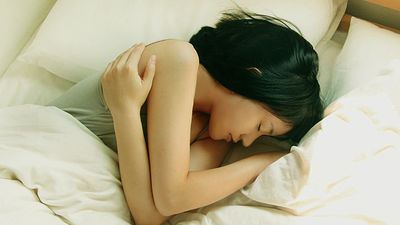
Scientific studies have shown that people's sleep habits do indeed change in the days leading up to a bright, full moon. Researchers have found that people sleep about 20 minutes less during this time, and they have trouble falling asleep and spending less time in deep sleep .
The reason why sleep time shortens around the time of the full moon may be that the moon's influence keeps the body's internal clock delayed because it remains bright even at night, reducing melatonin , a hormone involved in sleep, and making it easier for the brain to stay awake.
The effects of the full moon on sleep duration are strongest in places with less artificial light , such as rural areas or campsites, and some research suggests that it affects men and women differently: For example, men tend to lose more sleep during the waxing moon, while women tend to experience a slight decrease in deep sleep around the time of the full moon.

Regarding the folklore that the moon drives people crazy, it has been thought that this is because 'not being able to sleep around the full moon puts a strain on the mind.' In fact, modern science has shown that sleep deprivation is a powerful factor in mental health problems, with even just one night of sleep deprivation causing
This might lead one to believe that the slight reduction in sleep time caused by the brighter moon could have a negative impact on people who already suffer from mental health issues. However, in a large-scale study , researchers found no association between the phases of the moon and the admission and discharge of psychiatric patients.
Studies in India and China have reported increased restraint use and a slight increase in hospitalizations for schizophrenia during the full moon, but these findings are not consistent around the world. These findings may be influenced by cultural factors and hospital practices rather than the phases of the moon.
'Ultimately, the moon may cut into our sleep a little, and sleep deprivation can certainly have an impact on mental health, especially for more vulnerable populations,' Fong-Isariyawongse said. 'But the idea that the full moon directly triggers a wave of mental illness is more myth than reality.'
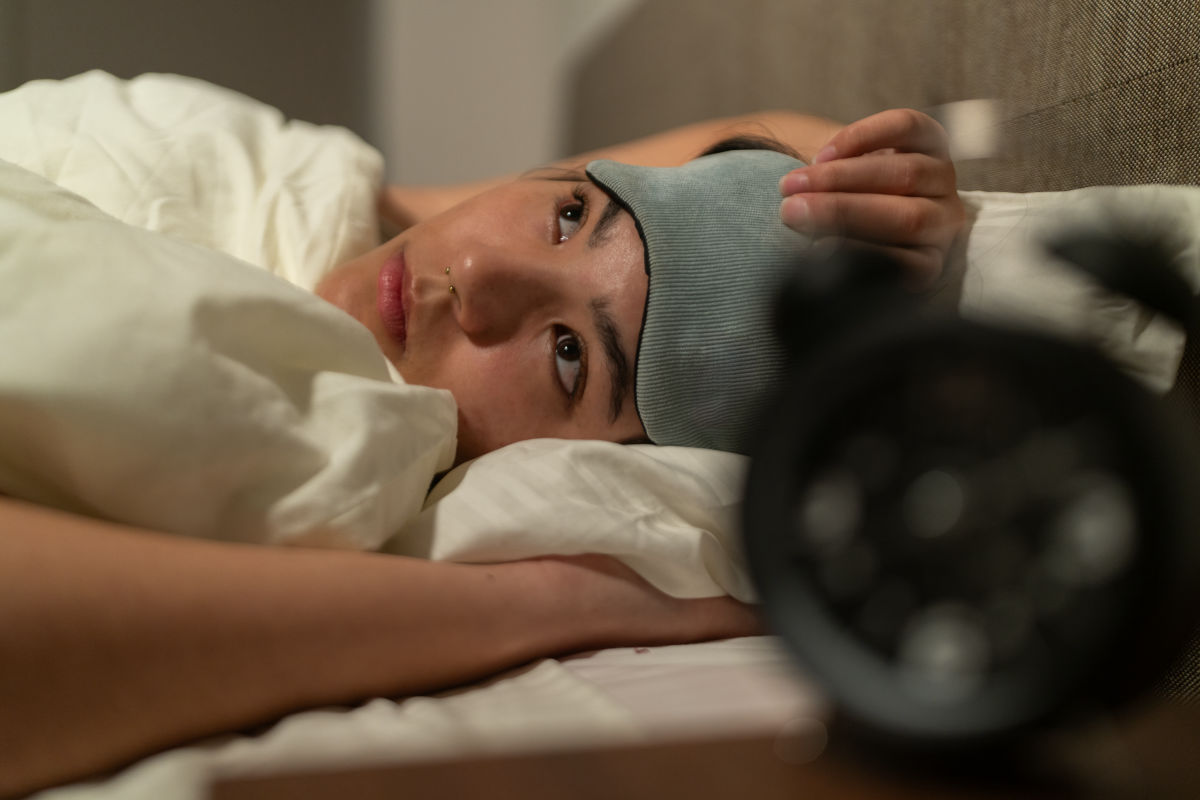
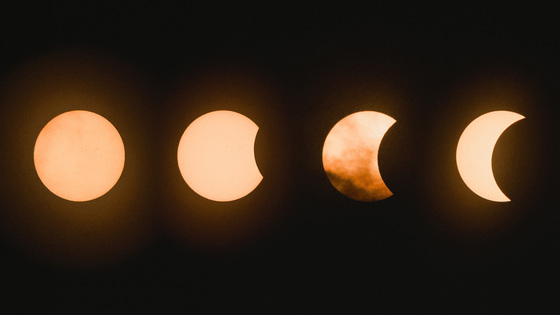
Scientists have long considered the possible mechanisms by which the moon influences people's mental health, including tidal effects due to the moon's gravity, changes in the Earth's magnetic field, and changes in atmospheric pressure. However, none of these mechanisms have been able to withstand testing, and the most likely link between the moon and human behavior is the reduction in sleep time due to light at night.
Furthermore, when people experience sleep deprivation or mental health problems, they tend to ignore underlying factors such as stress, caffeine, or smartphone use. Instead, they tend to remember things like 'it was a full moon that day,' which can lead to them associating the full moon with various problems.
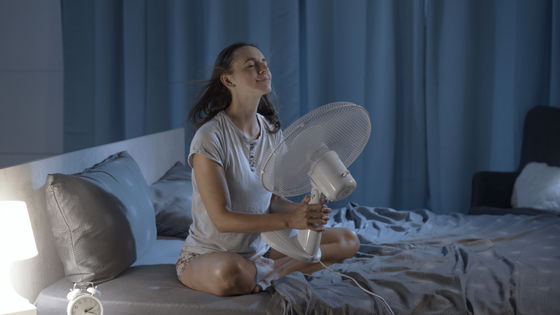
'If you find yourself feeling restless on a full moon night, it may not be your imagination - the moon is disturbing your sleep,' Fong-Isariyawongse said. 'But if you regularly have trouble sleeping, look closer to home. The culprit may not be the moon in the sky, but the light in your hand.'
Related Posts:


in Science, Posted by log1h_ik