Australian study finds social media use has led to a sharp decline in children's interest in sports, reading and the arts
Australia was the first country in the world
Postpandemic After-School Activities Among Youths in Australia | Pediatrics | JAMA Network Open | JAMA Network
https://jamanetwork.com/journals/jamanetworkopen/fullarticle/2841335
Social media use soars as kids drop sports, reading and the arts
https://phys.org/news/2025-11-social-media-soars-kids-sports.html
Children attending primary and secondary schools in Australia typically have four to five hours of leisure time after school, during which they can freely choose to participate in sports or music clubs or play. However, not all children are actively playing; it has been reported that before 2019, one-third of children were spending their time unplanned watching television or watching social media. This figure has only increased during the COVID-19 pandemic.
A research team at the University of South Australia tracked more than 14,000 students aged 11 to 14 from 2019 to 2022, before and after the pandemic, and analyzed how children's activity changed over the four-year period.
The children were surveyed every May, asking them how much time they spent after school on sports, music, art, housework, reading for fun, games, social media, television, homework, tutoring, and socializing with friends.
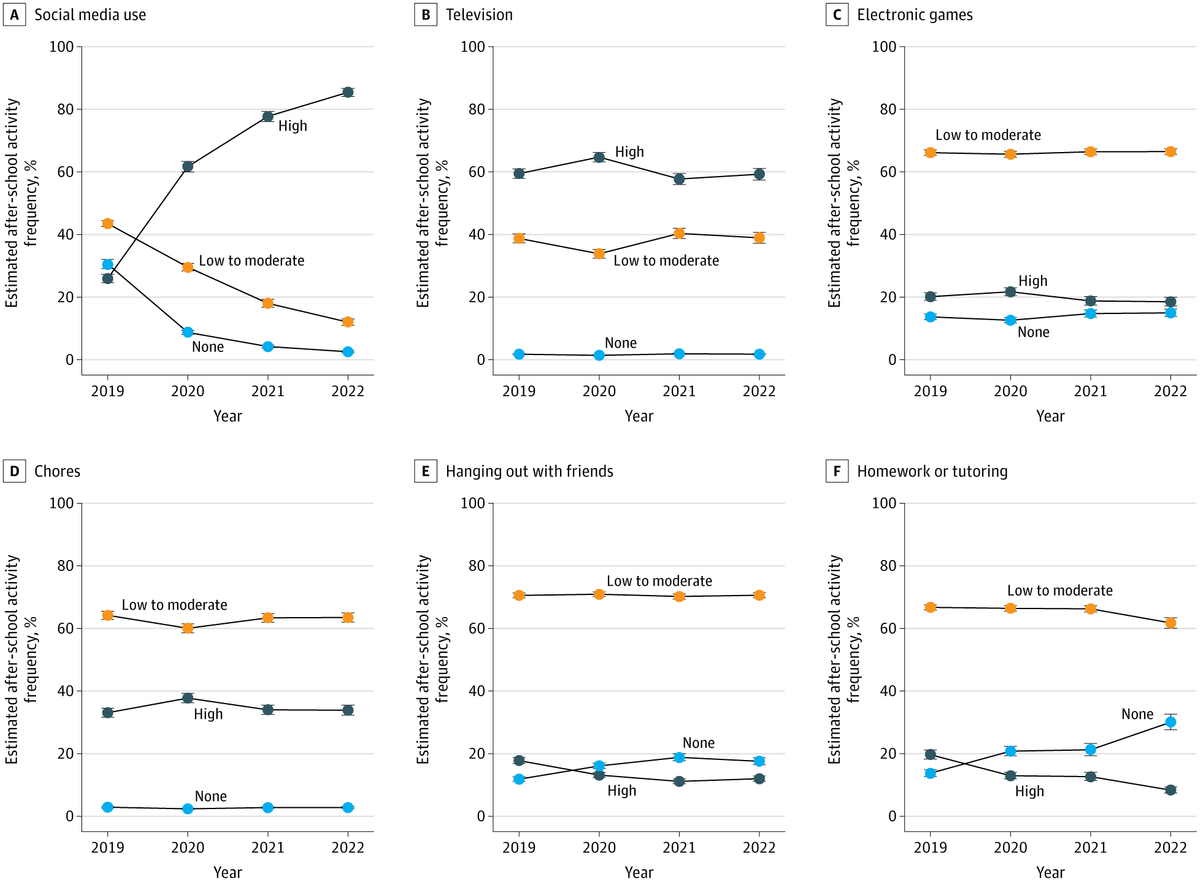
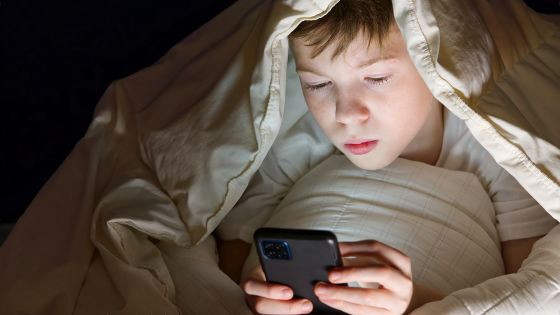
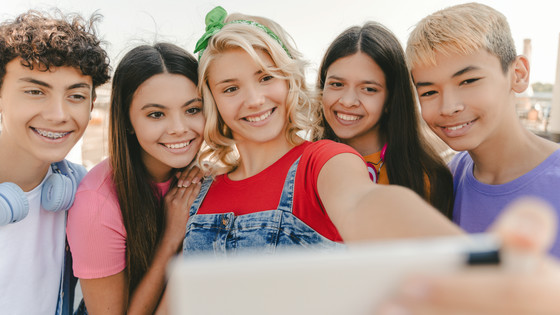
The results showed that the proportion of children using social media increased significantly, with the proportion of children who answered 'daily' rising from 26.0% in 2019 to 85.4% in 2022. The proportion of children who answered 'never' also dropped sharply from 30.6% in 2019 to 2.6% in 2022, confirming that most children began using social media as they got older. Meanwhile, the proportions of television, games, housework, socializing with friends, homework, and tutoring remained roughly constant over the four years.
With the expansion of social media use, children's exposure to arts and sports is declining. The percentage of young people who have never participated in arts activities will increase from 25.7% in 2019 to 70.4% in 2022, the percentage of young people who have never read for fun will increase from 10.8% in 2019 to 52.6% in 2022, and the percentage of children who have never participated in music activities will increase from 70.3% in 2019 to 85.4% in 2020.
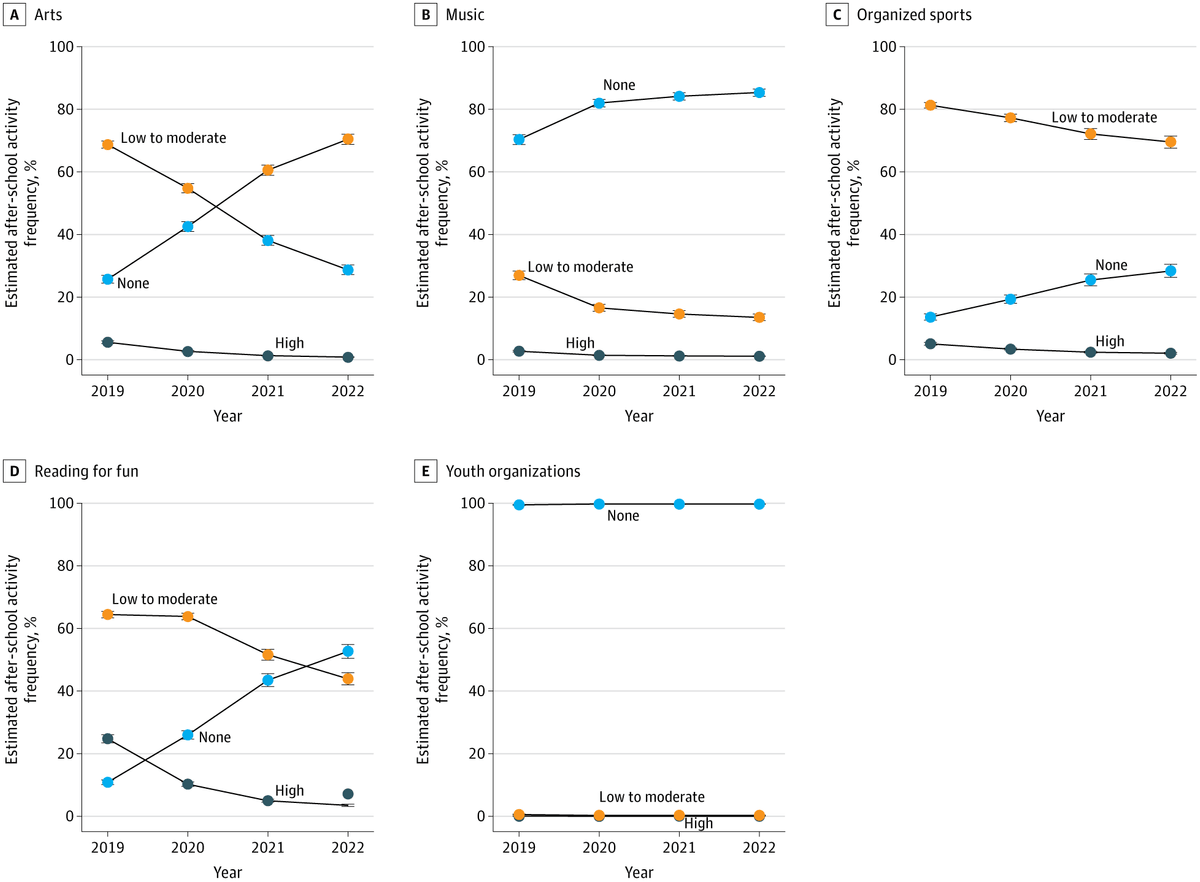
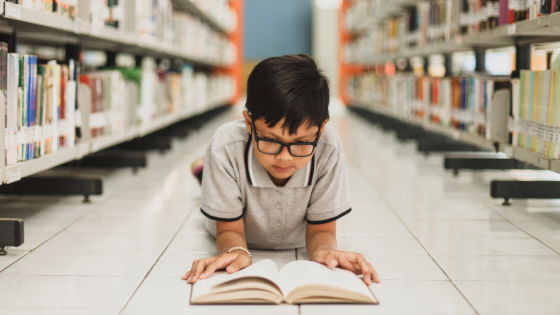
The percentage of children who engage in arts and reading a few times a week, but not every day, is also declining, from 68.7% in 2019 to 28.7% in 2022 for arts, and from 64.4% in 2019 to 43.9% in 2022 for reading.
These changes have not returned to previous levels even after the pandemic has relatively subsided, suggesting lasting changes in how children spend their time. 'There is no doubt that social media has become deeply ingrained in children's daily lives, to the point where it is now replacing many activities that support healthy child development, such as sports and reading,' said Mi Zou, lead researcher of the study. 'These changes are occurring during a critical period in adolescence, and may have lasting effects on the health and well-being of young people.'
Professor Dorothea Dumuidis, who led the research, said: 'We need more programs and policies to encourage young people to re-engage in enriching activities such as sport, music, art and reading. Children who participate in extracurricular activities such as sport and the arts generally achieve better academic performance, have better social skills and improved mental health. Australia's social media ban is certainly a protective intervention, but restricted access may lead children to turn to alternative platforms such as games, messaging apps and television. It will be important to track these changes in behaviour as bans are implemented and to examine the short- and long-term impacts on young people's health and well-being.'
Related Posts:
in Science, Posted by log1p_kr