7 technologies that will be crucial to winning the next war

PreView: Seven Critical Technologies for Winning the Next War - YouTube
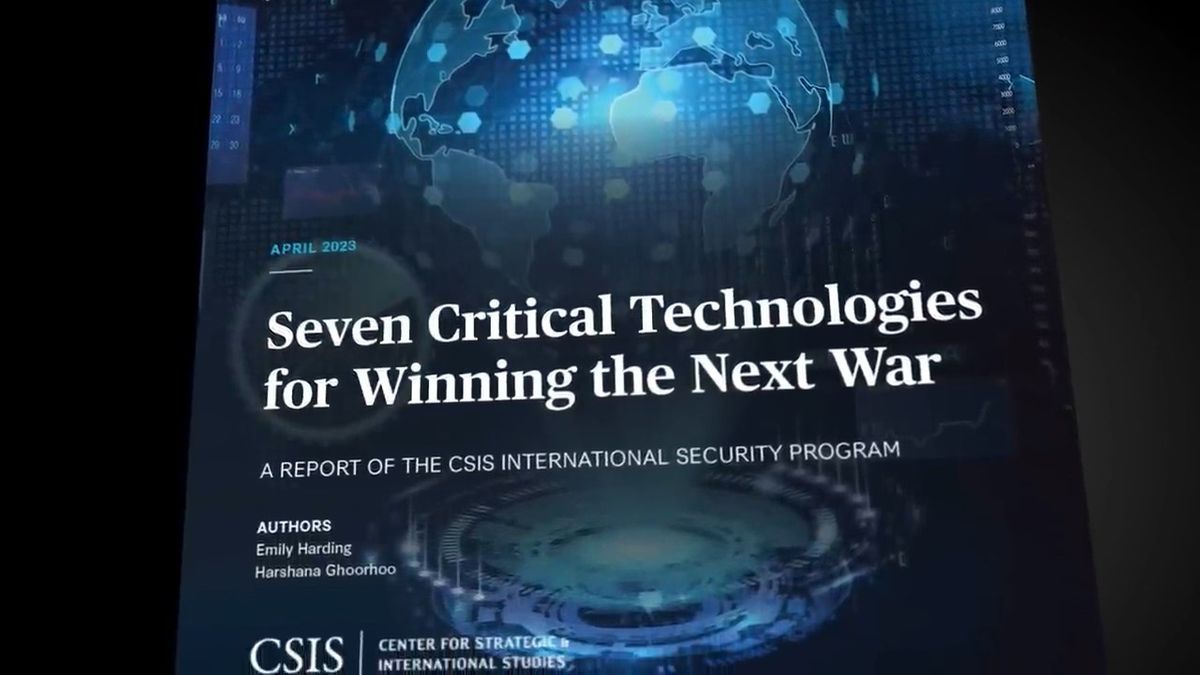
This time, Emily Harding, deputy director and senior fellow for the International Security Program at CSIS, will introduce ``Seven technologies that will be crucial to winning the next war.''

To win the next war, the US government needs to focus on seven technologies, three of which are 'sprint' technologies that the government should lead the private sector in promoting.
Bioengineering

Secure and redundant communications network

These three technologies are the ones that Harding describes as sprinting.

The remaining four are 'follow' technologies that governments can follow in the footsteps of the private sector. First, space-based sensors and other technologies.

High-performance battery

AI (artificial intelligence), ML (machine learning), and robotics.

In selecting these technologies, CSIS considered what future warfare will look like, including not only the front lines where weapons and soldiers engage in combat, but also behind-the-scenes battles, including information warfare.
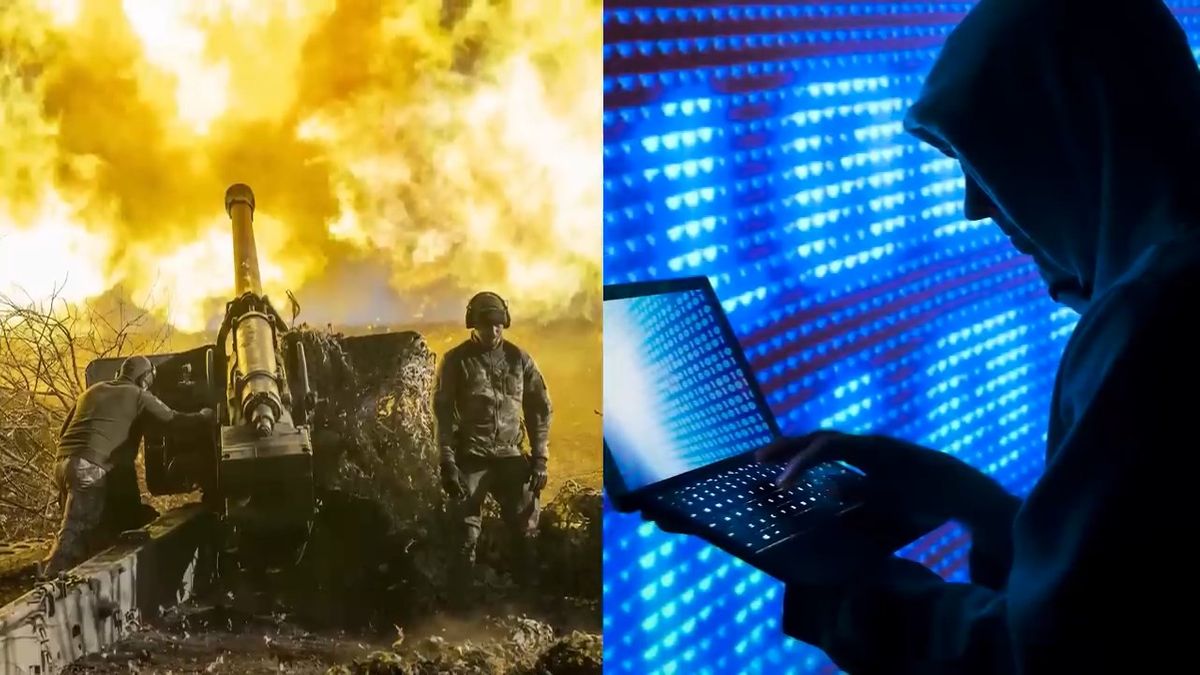
CSIS also interviewed a wide range of experts to explore what technologies are emerging and what difference they will make. They concluded that America's potential adversaries, including China, are already investing in technologies like bioengineering and AI/ML, so the U.S. needs to take the lead in investing in critical technologies, rather than leaving it entirely to the private sector.

Harding argues that the seven technologies listed this time are powerful on their own, but when combined they are even more powerful and influential. For sprint technologies in particular, the government needs to signal that there is demand and purchase the necessary components.

One example is quantum computers, which may take more than a decade to become practical, making it difficult for the private sector to invest aggressively. However, governments can boost the field by demonstrating demand and making long-term investments.

Regarding follow-up technologies, the government should consider cases where a '100% solution' is needed and cases where an '80% solution' is sufficient. For example, if the purpose is to 'take satellite images of military bases, etc.,' a '80% solution' using commercial satellites would be a low-cost solution.

Harding said governments should consider not only the risks of doing something but also the risks of not doing something. 'The real question we need to ask is, 'Can we afford to let our adversaries get ahead of themselves with these technologies while we don't?''

As we focus on these technologies, it's also important to provide military personnel and contractors with career paths focused on these technologies.
These people need additional training on how to think about the technology they have.
CSIS also publishes a website called Tech Recs, which reports on the progress of these technologies.
Technology Policy Recommendations | CSIS Intelligence, National Security, and Technology Program
https://techrecs.csis.org/
The full report can be downloaded from the following website:
Seven Critical Technologies for Winning the Next War
https://www.csis.org/analysis/seven-critical-technologies-winning-next-war
Related Posts: