AI data centers are facing a two-year backorder due to HDD shortages, delays forcing a rapid shift to QLC SSDs
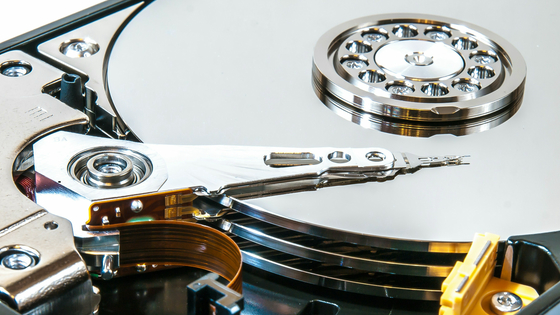
The race to achieve AGI (artificial general intelligence) is exponentially accelerating investment and construction of data centers, far outpacing the ability to manufacture the components. The struggle to keep up with AI-related demand is also manifesting in storage shortages, with hard drive delivery times reportedly exceeding two years.
Hard drives on backorder for two years as AI data centers trigger HDD shortage — delays forcing rapid transition to QLC SSDs | Tom's Hardware
https://www.tomshardware.com/pc-components/hdds/ai-triggers-hard-drive-shortage-amidst-dram-squeeze-enterprise-hard-drives-on-backorder-by-2-years-as-hyperscalers-switch-to-qlc-ssds
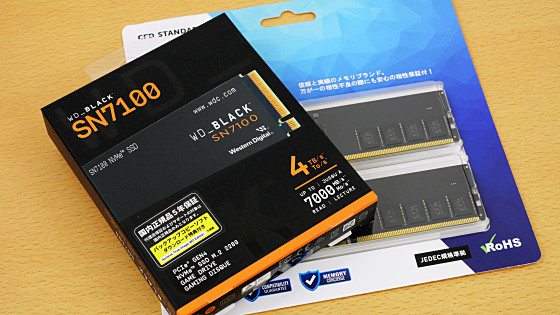
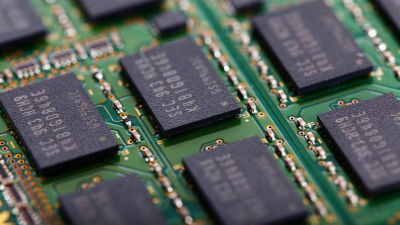
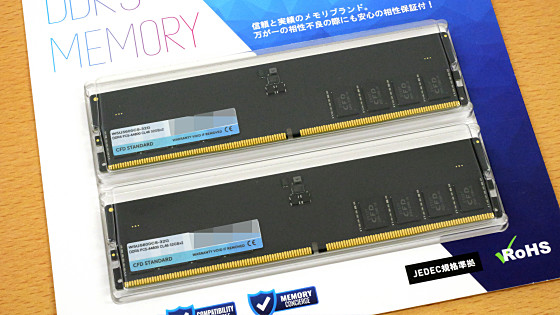
The surge in demand from AI data centers has led to a shortage of DRAM (DRAM) memory, which is said to be due to semiconductor manufacturers scaling back DDR4 production and focusing on DDR5 and HBM. It has been reported that memory prices have more than doubled compared to early 2025.
DRAM prices are expected to double in just one month from May 2025 and remain high, leading some to speculate that China's CXMT may stop producing DDR4 and focus on DDR5 and HBM.
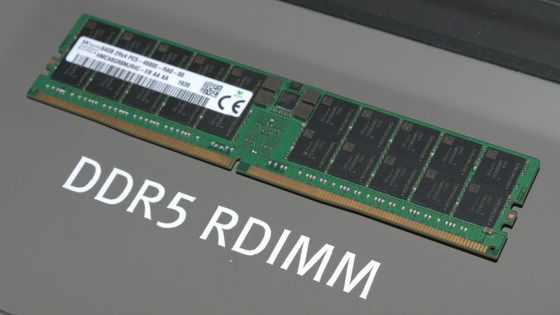
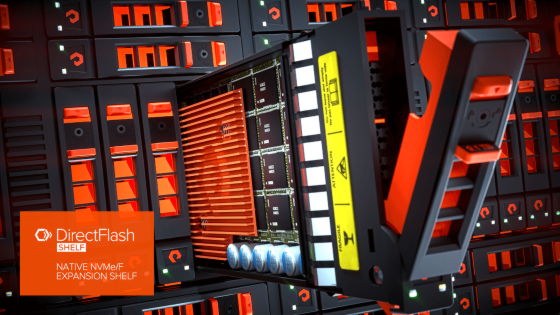
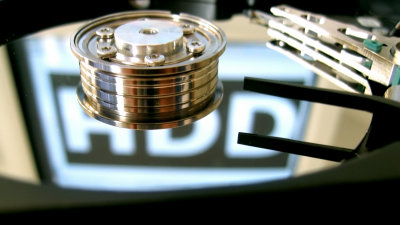
Storage has also been hit hard, with deliveries of enterprise-grade hard disk drives (HDDs) reportedly delayed by two years, according to tech media DigiTimes .
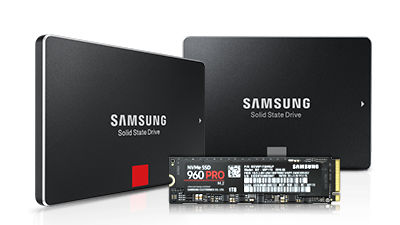
As AI-related investments are urgently needed, large data center operators are rapidly switching to SSDs that use QLC NAND , which has a lower cost per capacity, in order to avoid backorders for HDDs. By choosing QLC over TLC, they can maintain costs while ensuring sufficient durability for cold storage applications.
Amazon | Adata ADATA 2.5-inch Internal SSD 960GB SU630 Series 3D NAND QLC with SMI Controller 7mm ASU630SS-960GQ-R | Adata | Internal SSD Online Store
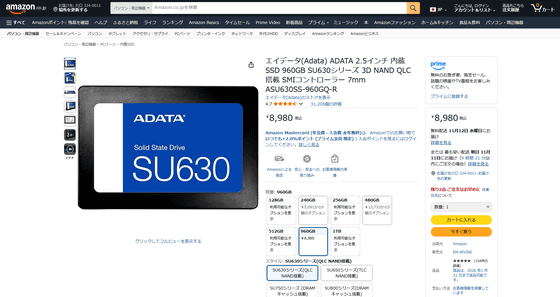
However, since many relatively low-cost SSDs also use QLC, it is likely that prices of SSDs using QLC NAND will rise worldwide. DigiTimes reported that some semiconductor manufacturers' QLC production lines are fully booked until 2026. Under these circumstances, QLC NAND may overtake TLC as the mainstream by early 2027, marking a major turning point in the storage market.
'These unprecedented shortages of memory and storage were largely unforeseen. While the price hikes themselves are not surprising given the world's enthusiasm for AI development, the sudden overnight changes were not expected. In October 2025, Simon Chen, CEO of semiconductor manufacturer ADATA, suggested that the situation would only get worse over time, but that outlook has become a reality in just a few weeks,' said Tom's Hardware, a hardware news site.
At the time of writing, all DRAM and NAND manufacturers were only holding a few weeks' worth of inventory, with the remainder being prioritized for sales to AI data center customers. Tom's Hardware stated, 'This strategy has led to many companies achieving their best results this year. However, as always, the burden falls on the consumer, and we are once again caught up in a shortage of electronics.'
Related Posts:
in Hardware, Posted by log1i_yk