The possibility that people's 'color perception' is the same at the brain level
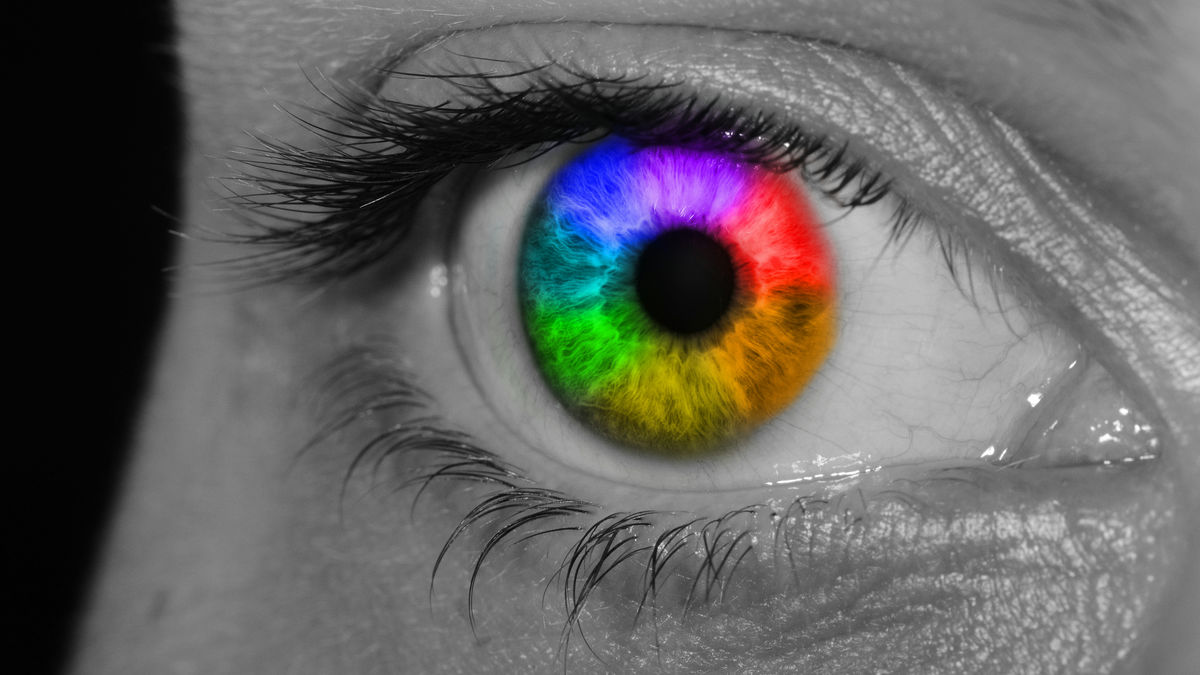
The question of whether colors like 'red' and 'blue' appear the same to different people has long been debated in the philosophy and science of human perception. A study published on September 8, 2025, by German researchers, attempted to analyze the brain activity of others to determine 'what colors they see,' and showed results that verified whether there are commonalities in the brain response patterns when humans view colors.
Large-scale color biases in the retinotopic functional architecture are region specific and shared across human brains | Journal of Neuroscience
My blue is your blue: different people's brains process colors in the same way
https://www.nature.com/articles/d41586-025-02901-3
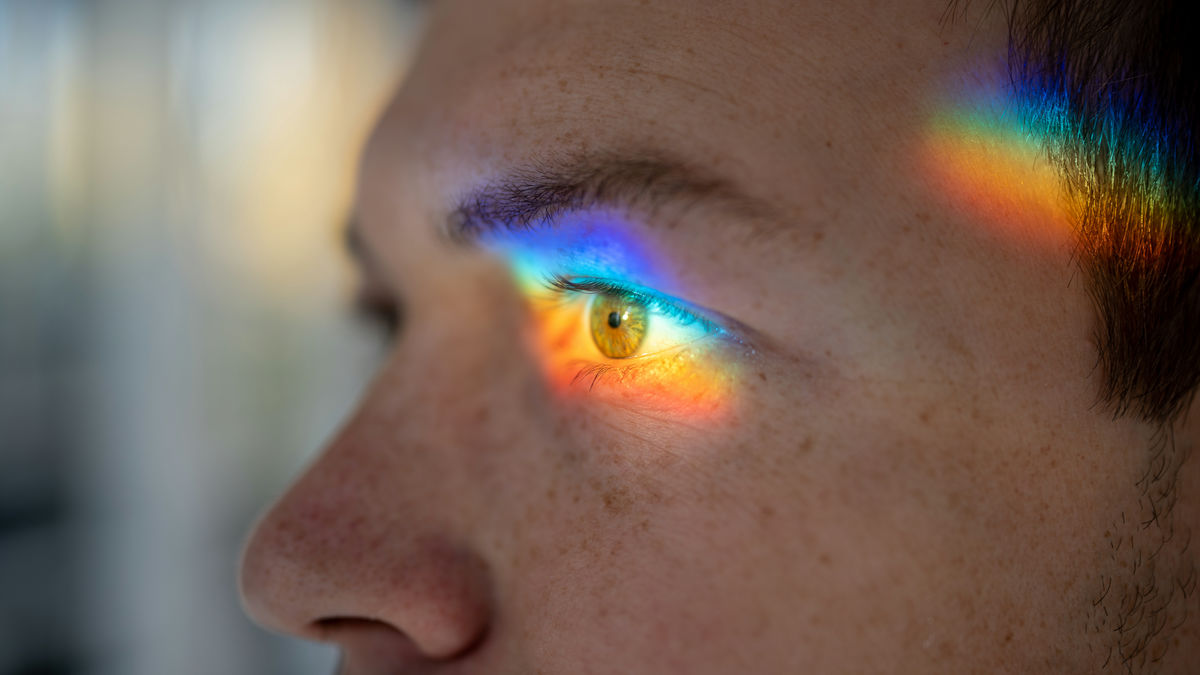
In the study, 15 subjects were divided into two groups, and group A was presented with different colors and their brain activity was measured using fMRI . The data obtained for multiple colors was then subjected to machine learning to create a map of brain activity for each color.
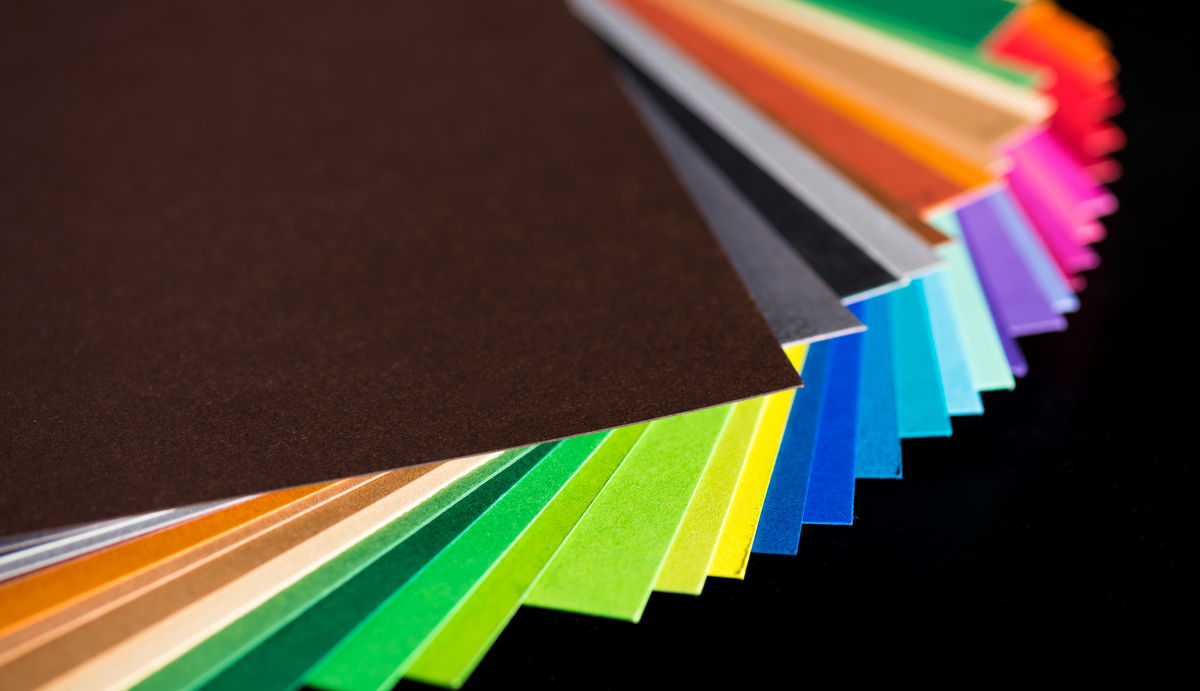
Based on the brain activity maps created, we then tested whether it was possible to predict 'what color this person is currently seeing' from the brain activity maps of Group B. If it is possible to guess what color someone is seeing based on their brain activity, this means that different people's brain activity when viewing the same color is the same, which increases the possibility that different people see colors in the same way.
The researchers reported that, in most cases, the brain activity maps predicted the colors seen by participants in Group B. The brain activity patterns predicted not only hue but also luminance information. This finding suggests that the brain shares a common code for color perception.
Co-author Andreas Bartels, a cognitive neuroscientist at the University of Tübingen and the Max Planck Institute in Germany, said: 'We found that seeing any colour, including red and green, activates other people's brains in a way that is very similar to how my brain is activated. This is a fundamentally new discovery.'
Jenny Bosten, a color vision scientist at the University of Sussex in the UK, said of the findings: 'The fact that some brain cells respond biasedly to different colors is a surprising new finding and doesn't quite fit with our previous theory that these areas of the visual cortex are involved in how color is processed. If this research proves to be robust, it could change how we think about color encoding in the cortex.'
This research addresses the question of whether other people perceive the same color when they see it, and suggests that it may be processed in the same pattern at the brain level. However, it should be noted that the number of participants in this experiment was small (15), and the scale did not encompass cultural, age, or individual differences, so the results may be biased. Furthermore, even if brain activity is the same, it does not necessarily mean that the subjective experience is completely identical, so it cannot be said that ' qualia ,' which refers to the 'unique and vivid texture associated with sensory experience,' are the same across different people when viewing the same color.
Future research will expand on this discovery and explore whether there are common brain activity patterns across visual information and cognitive processes beyond color discrimination, which is expected to have an impact on a variety of fields, including medicine, philosophy, and technology.
Related Posts:





in Free Member, Science, Posted by log1e_dh