Chinese research team develops neuromorphic computer 'Goku (Darwin Monkey)' that mimics the monkey brain
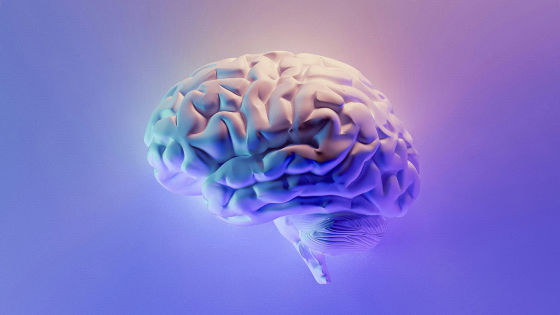
The National Key Laboratory of Brain Intelligence at
Zhejiang University's largest computer system in the entire world, 'Goku'
https://www.zju.edu.cn/2025/0802/c76699a3072814/page.htm

China's 'Darwin Monkey' is the world's largest brain-inspired supercomputer | Live Science
https://www.livescience.com/technology/computing/chinas-darwin-monkey-is-the-worlds-largest-brain-inspired-supercomputer
Neuromorphic computers are a computing method that mimics the neurobiological structure of the human brain. By mimicking the brain, which is an extremely efficient information processing device, it is hoped that they will be able to solve various problems that have existed with computers up until now.
While traditional artificial neural networks follow common computing principles, processing data via continuously changing binary values, neuromorphic computers are driven by a model known as spiking neural networks (SNNs) .
Biological neurons switch on and off by firing, which generates electrical pulses, when signals received from other neurons reach a sufficient level to trigger a response. SNNs mimic the signal transmission between neurons in biological brains, processing and transmitting data through on/off switching (spikes) in response to electrical signals.
By physically mimicking the communication between biological neurons in this way, SNNs can process data in a highly parallel manner, potentially making them more powerful than traditional computer architectures. Furthermore, artificial neurons enter a short resting period between spikes, during which they remain silent until the next firing, potentially reducing overall power consumption.
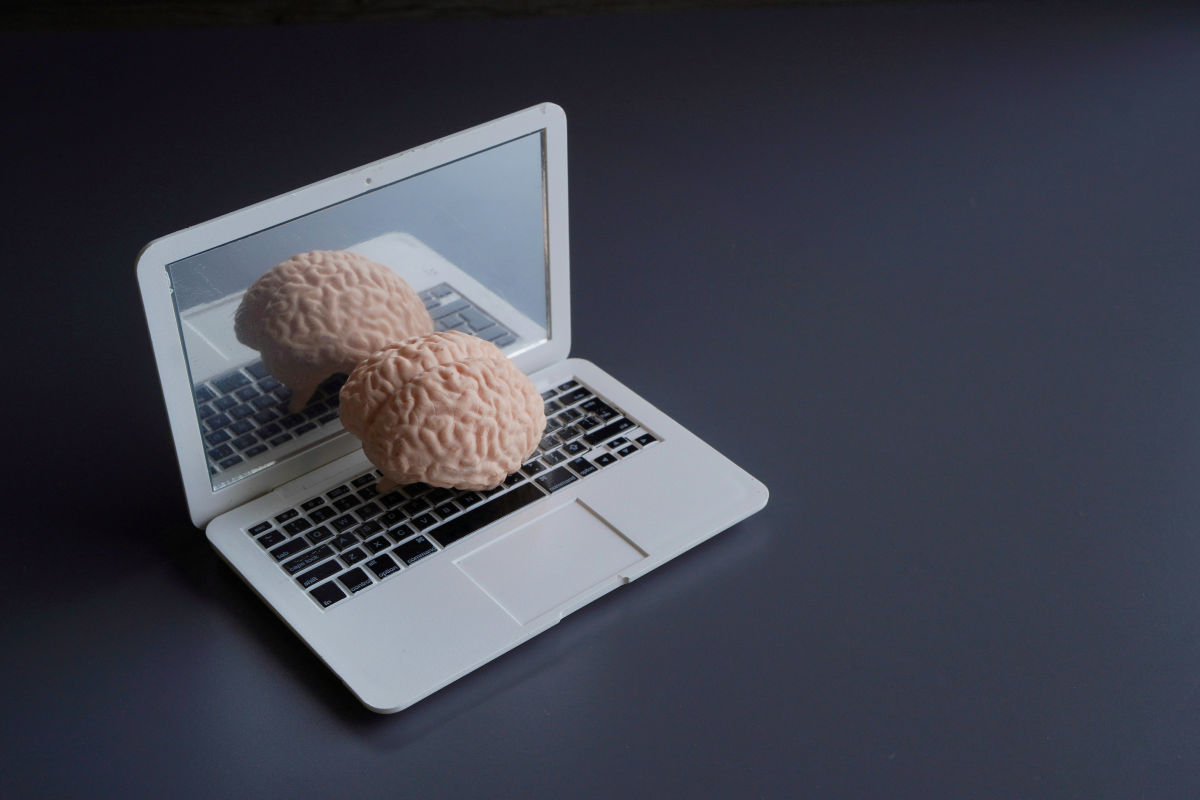
Researchers at the Zhejiang University State Key Laboratory of Brain Intelligence have announced the development of a next-generation neuromorphic computer called 'Goku (Darwin Monkey).' Goku boasts over 2 billion artificial neurons and 100 billion artificial synapses, roughly equivalent to the brain of a rhesus monkey.
The largest neuromorphic computer ever announced was Intel's 2024 Hala Point, which had 1.15 billion artificial neurons and 128 billion artificial synapses.
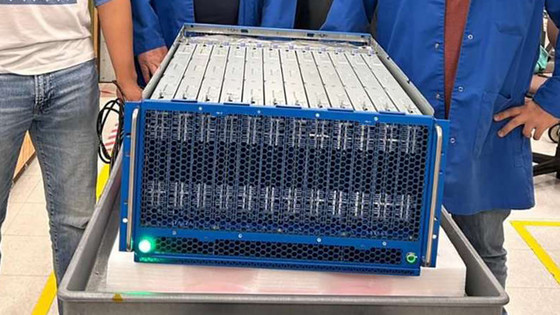
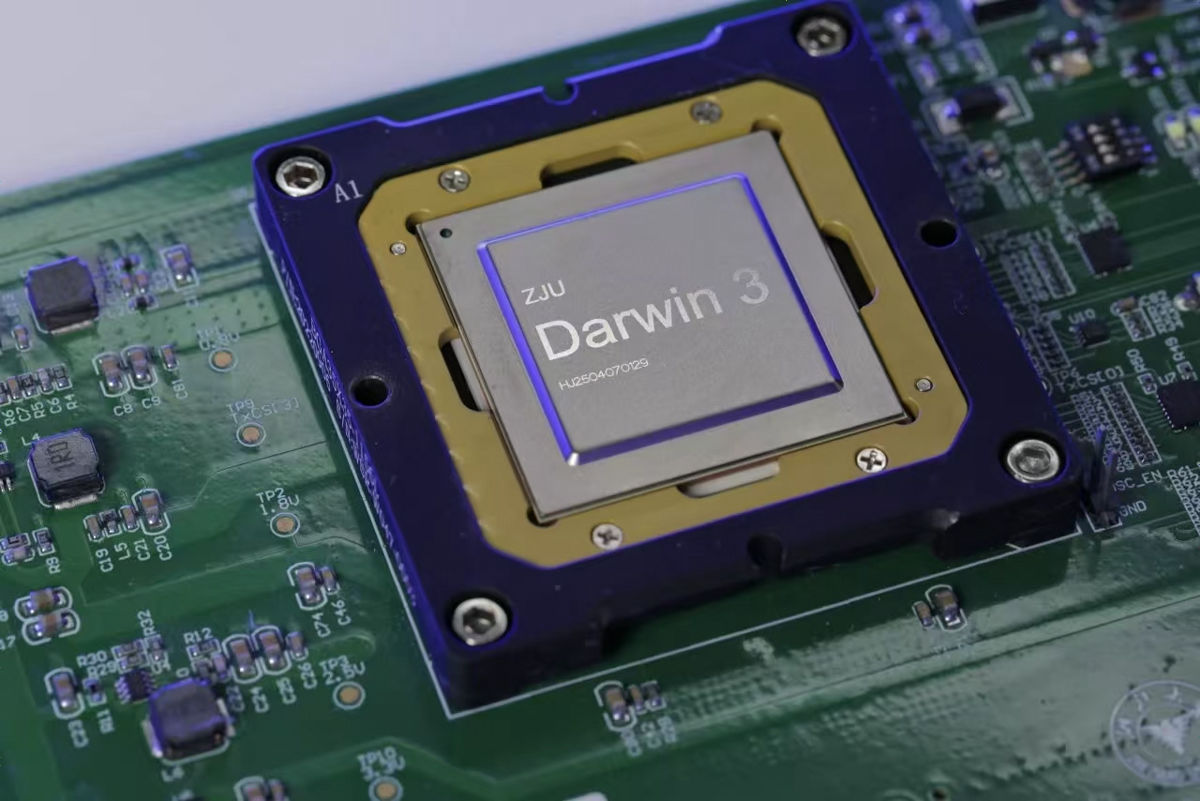
Goku is equipped with 960 laboratory-developed 'Darwin 3' brain computing chips, each controlling up to 2.35 million artificial neurons. The entire Goku system is also made up of 15 neuromorphic brain servers. Despite being such a large-scale computer, Goku consumes only about 2kW of power, roughly the same as an electric kettle or hair dryer.
Related Posts: