What effect does being deprived of social interaction and forced into 'loneliness' have on the brain and body?

While spending time alone in peace is important, being deprived of social interaction and forced into solitude can have a variety of negative effects on the mind and body. The educational YouTube channel TED-Ed explains how loneliness can negatively affect the brain and body.
While quiet time alone can reduce stress, imposed solitude has a different effect.
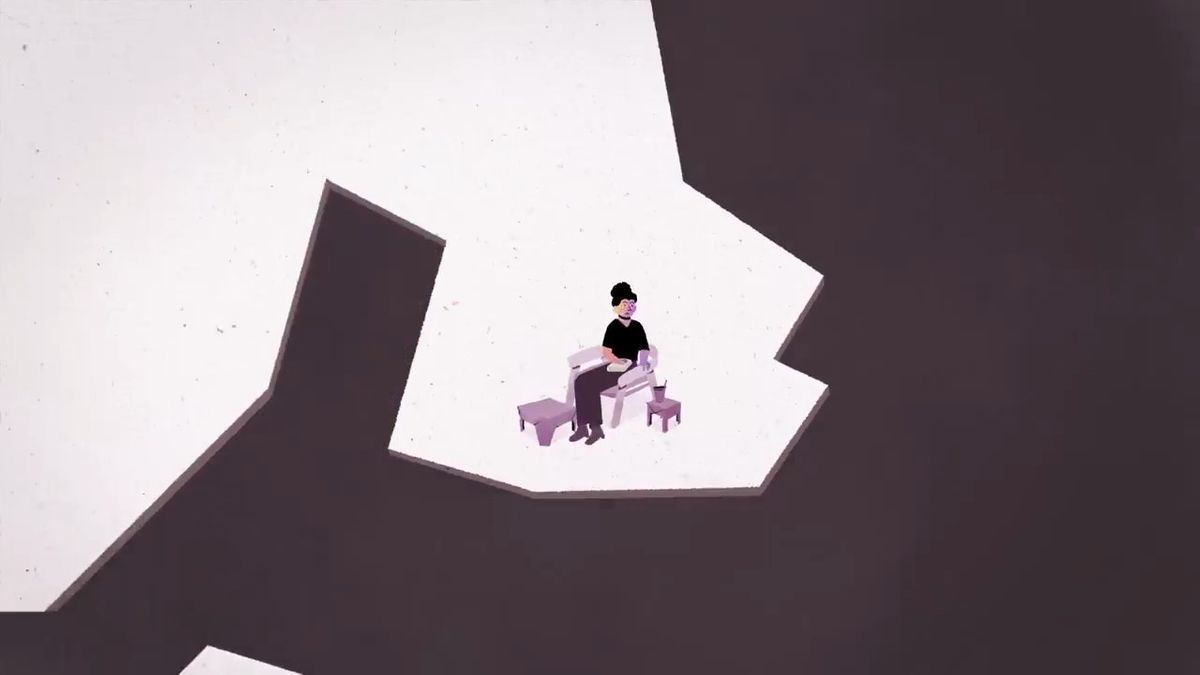
The effects of loneliness vary from person to person, but the longer you are lonely, the more severe and persistent the symptoms tend to be.
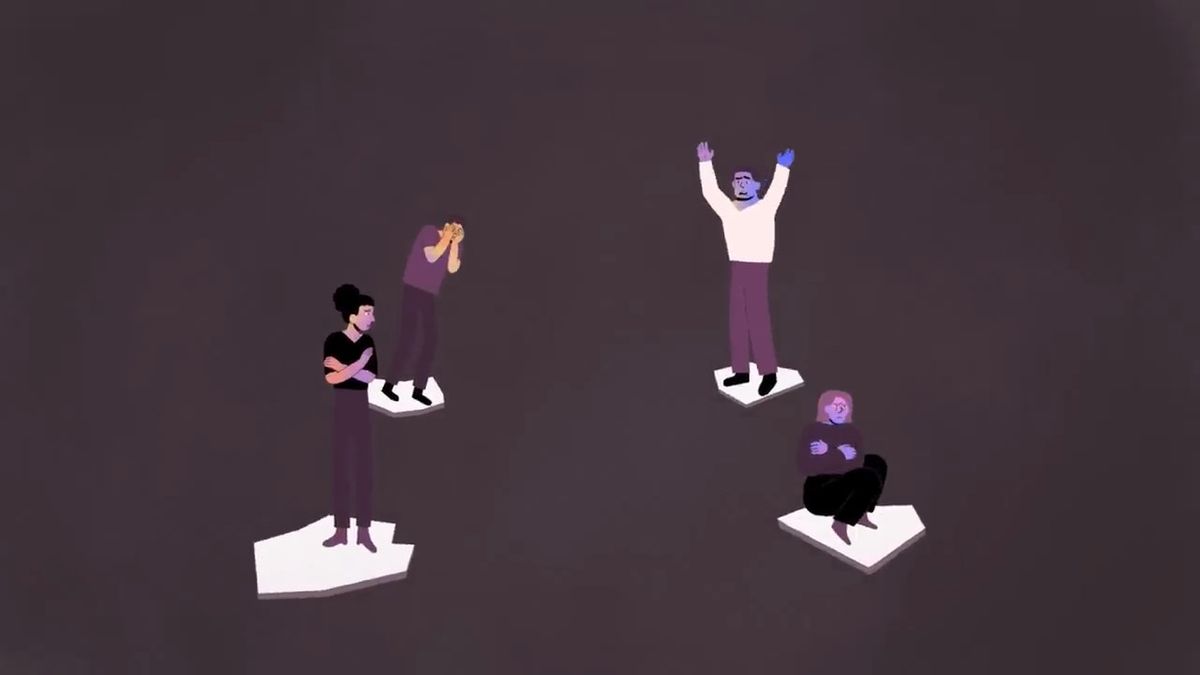
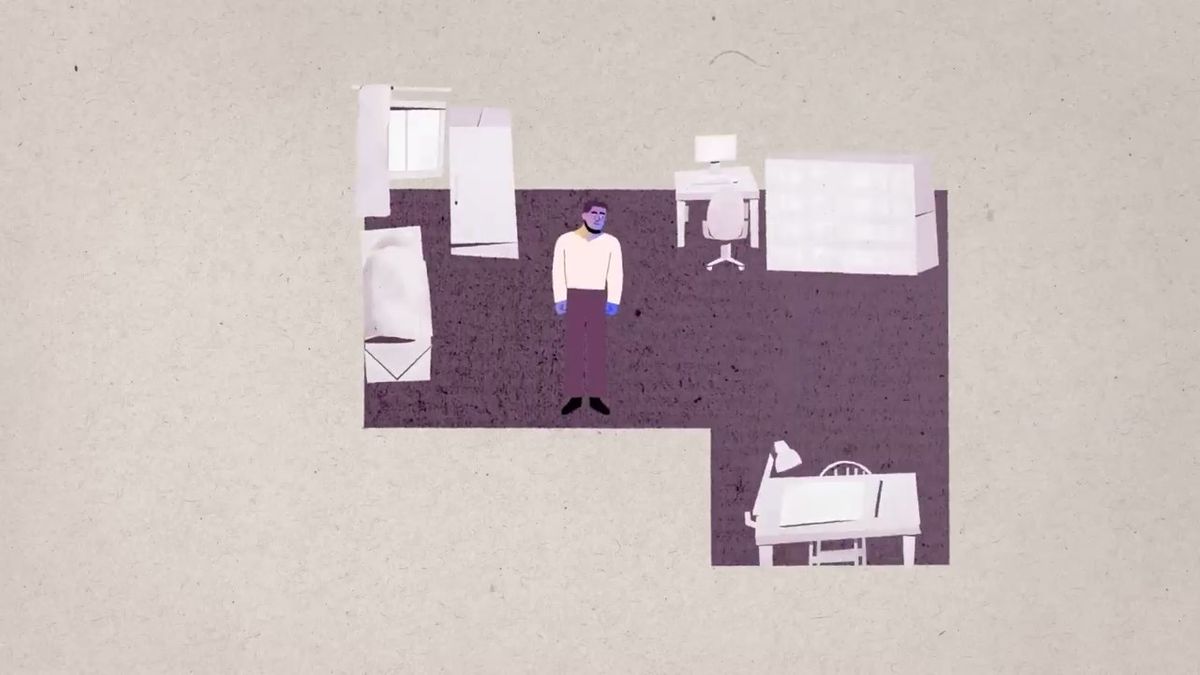
Being confined to one space for days, weeks, months, or even years without any productive work to do can cause a variety of changes to a person's body.
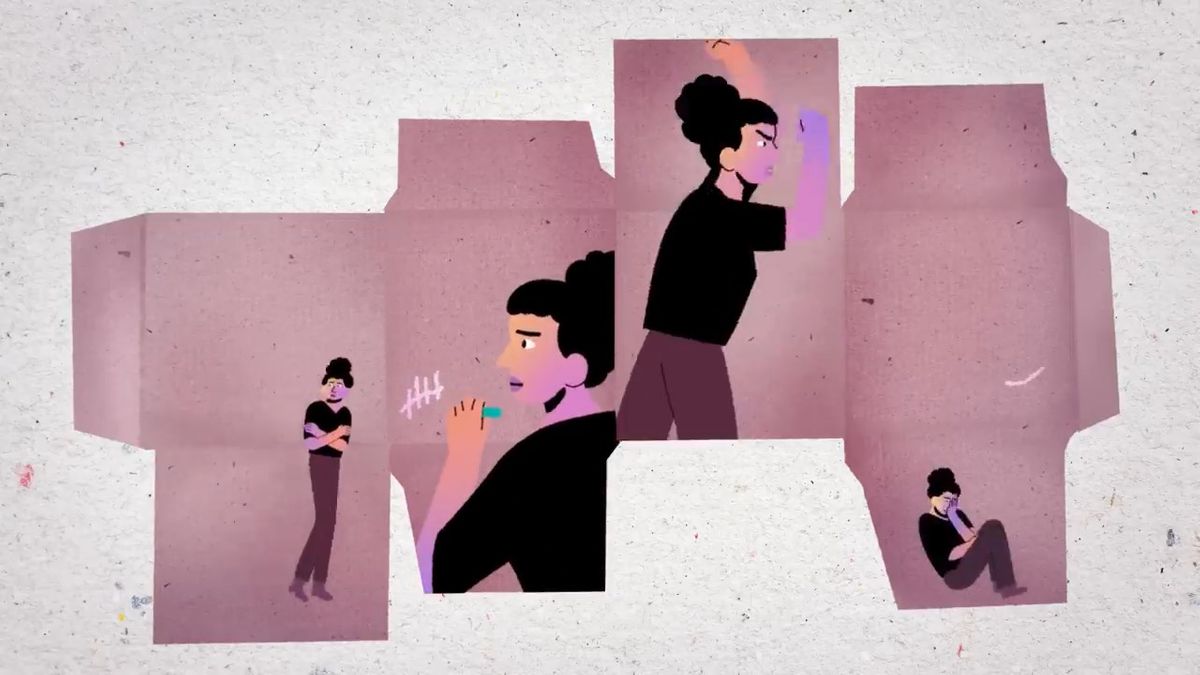
Forced isolation causes an initial surge in stress hormones that eventually becomes chronic.
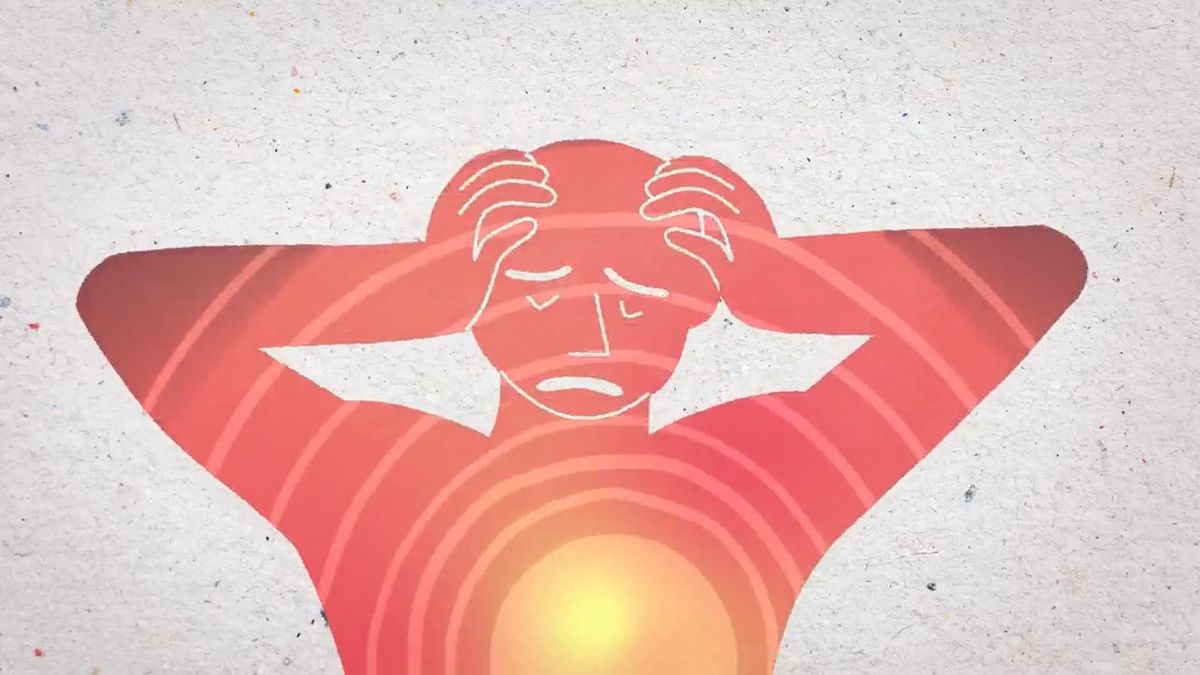
Social interactions and meaningful activities are essential for emotional well-being. Social interactions with others are important for developing what social psychologists call ' social reality,' a term that refers to the socially constructed worldview shared by a particular community, which is formed through social interactions, as opposed to personal perceptions or biological facts.
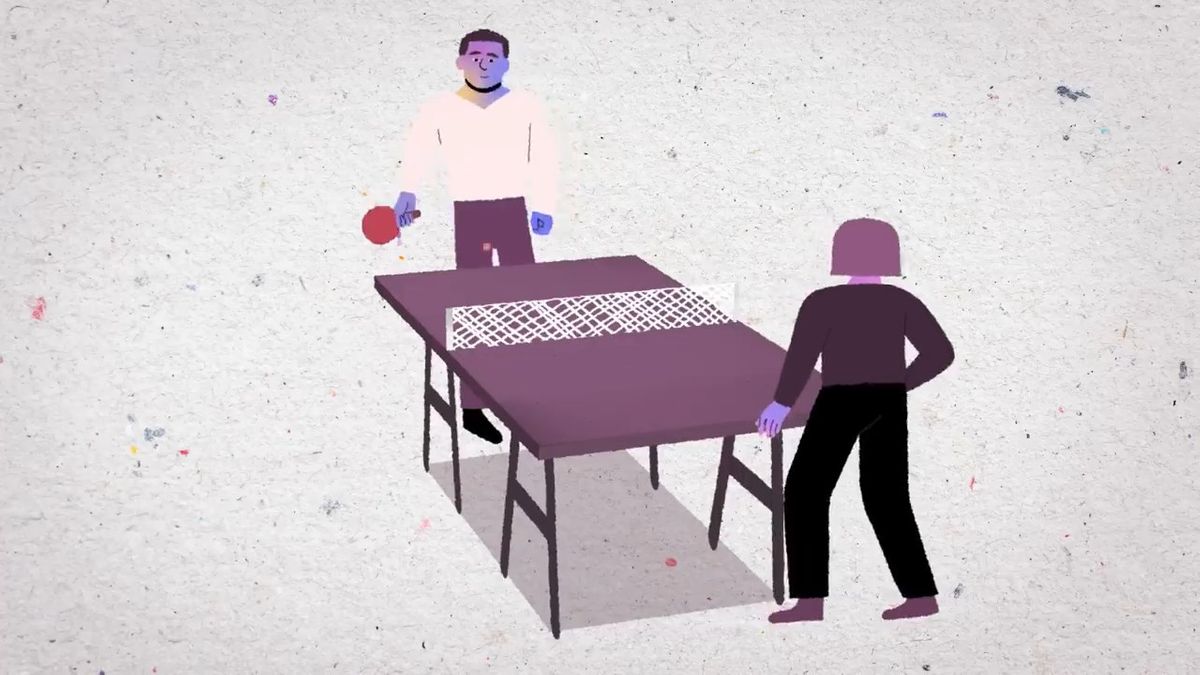
Without interaction with others, people cannot know how rational their perceptions are in the context of society, so when they are deprived of communication and tasks, their identity and sense of reality are threatened.
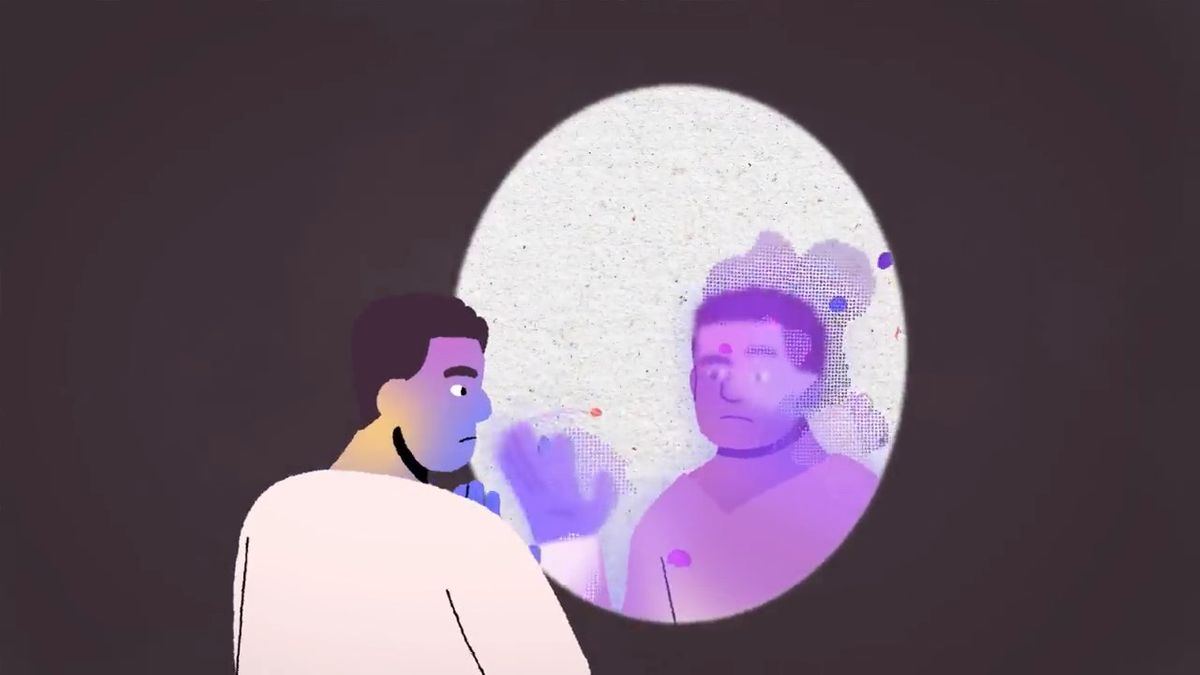
When social reality is lost, thoughts become disorganized and impulses take over, which can ultimately lead to depression, obsessions, suicidal thoughts, delusions, hallucinations, and more.
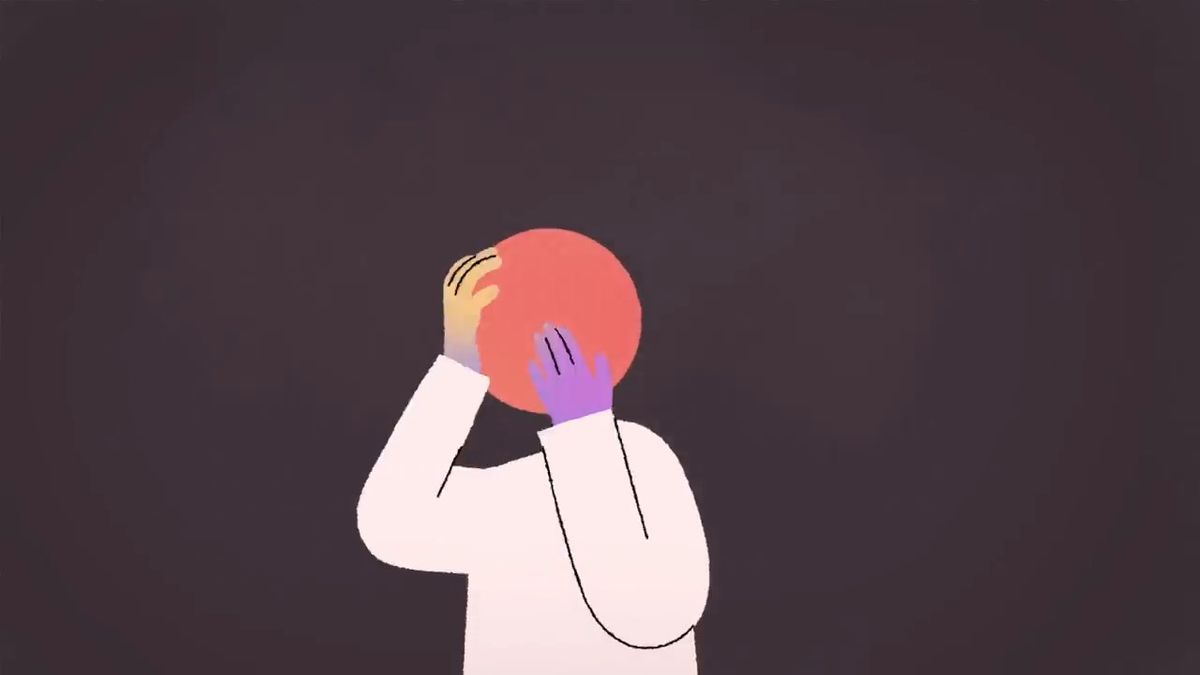
Furthermore, if this state of excitement continues for a long time, it can cause excessive activity in
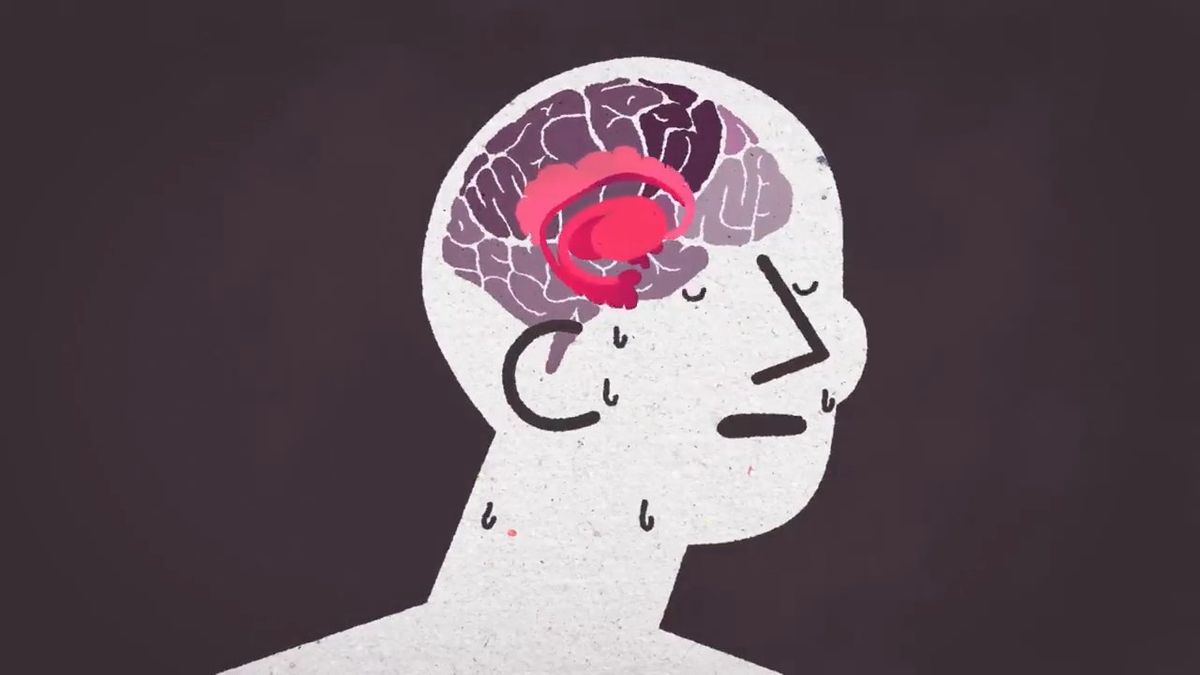
On the other hand,
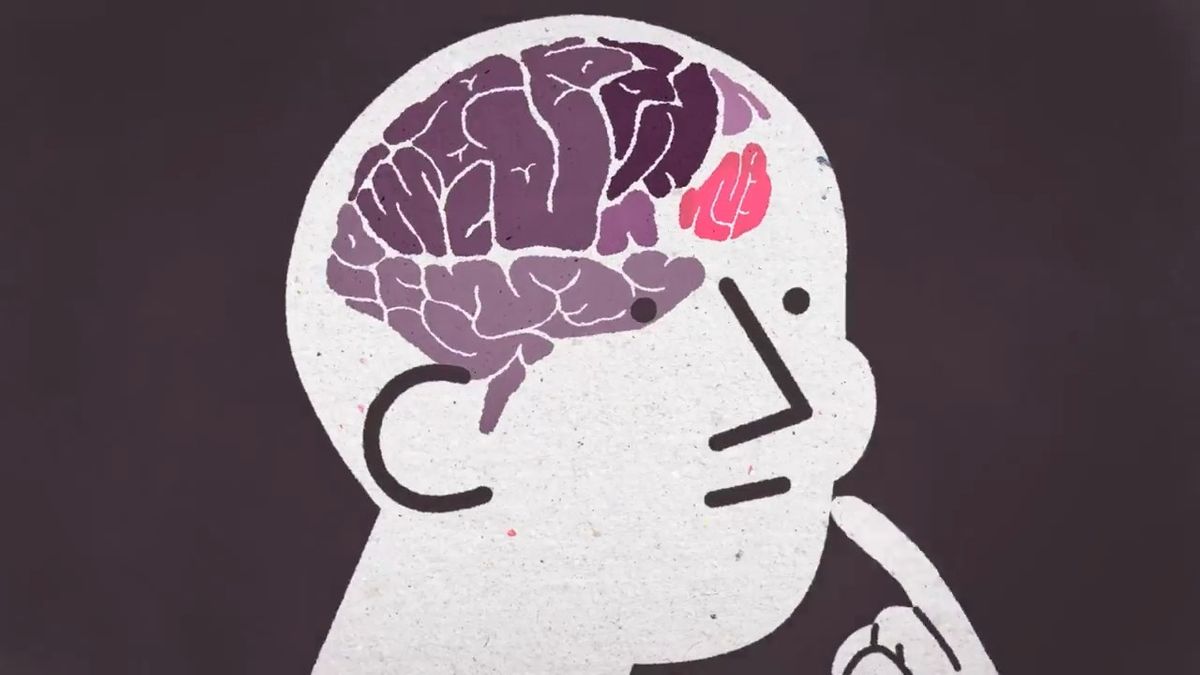
When this happens, your brain shifts from rational thinking to emotional thinking, making you more susceptible to anxiety, anger, and irrational behavior.

Loneliness can also cause people to lose track of time, leading to sleep problems and increased risk of heart palpitations, headaches, dizziness, and irritability. Stress can also lead to digestive problems and loss of appetite, leading to weight loss.
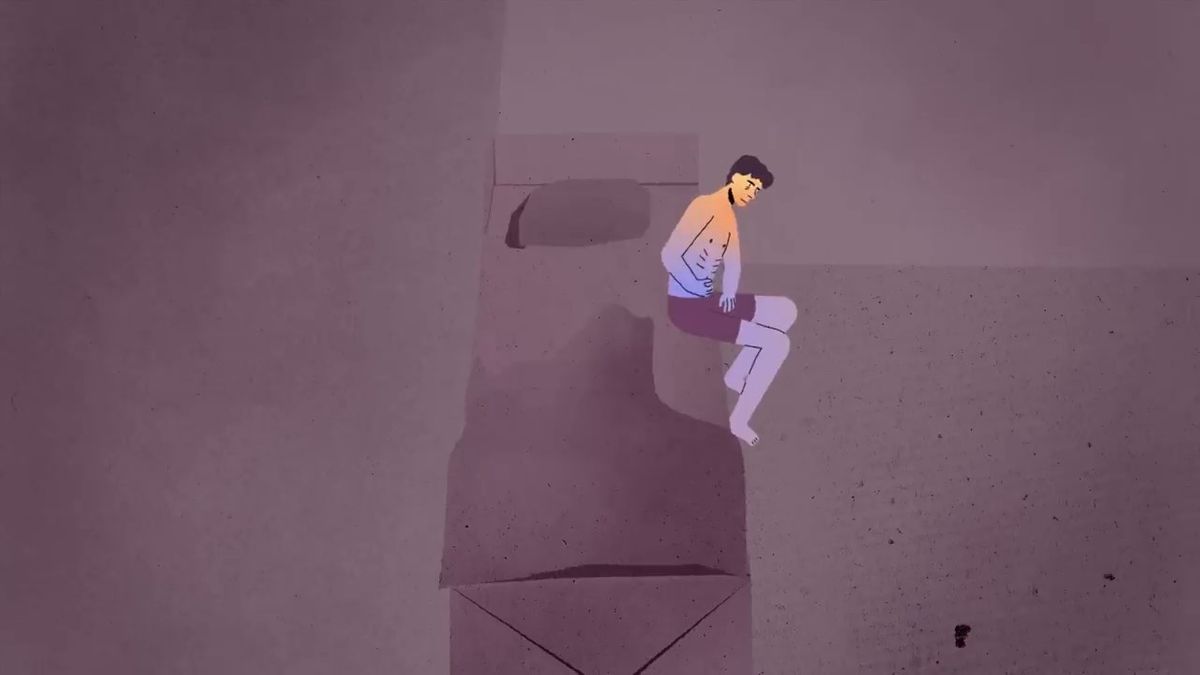
While healthy habits such as vigorous exercise, reading, and writing can help mitigate some of the negative effects, there are limits to how much they can help.
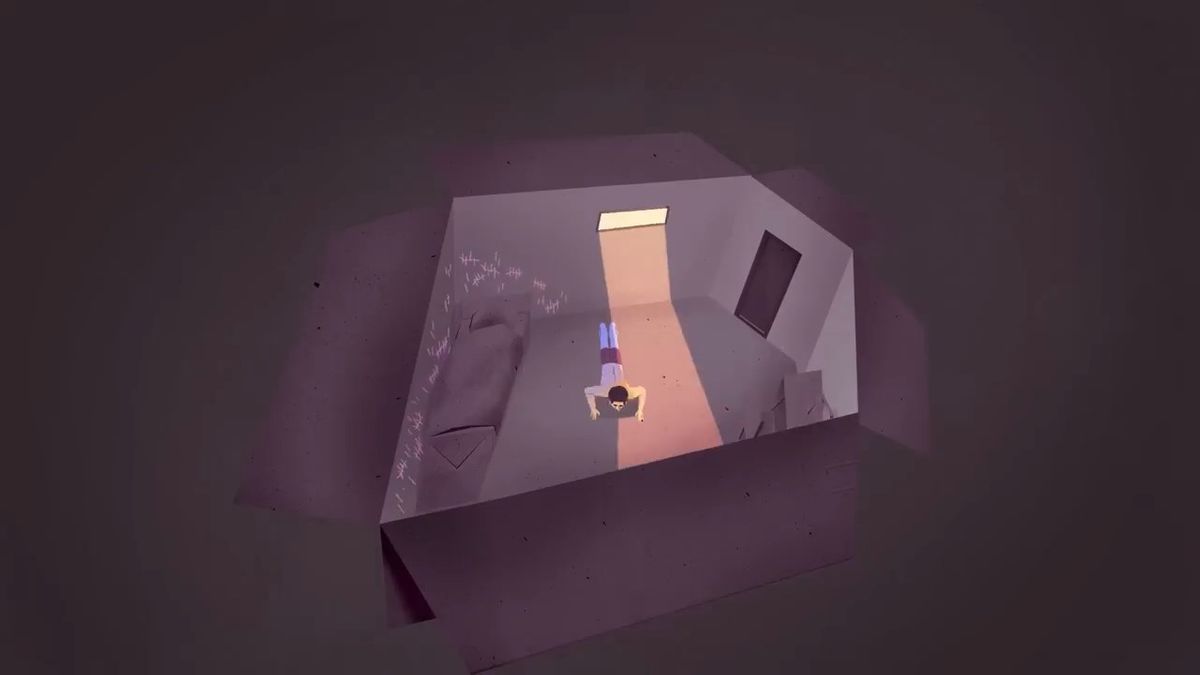
The United Nations and many human rights groups and experts classify this type of forced, prolonged isolation as 'torture.'
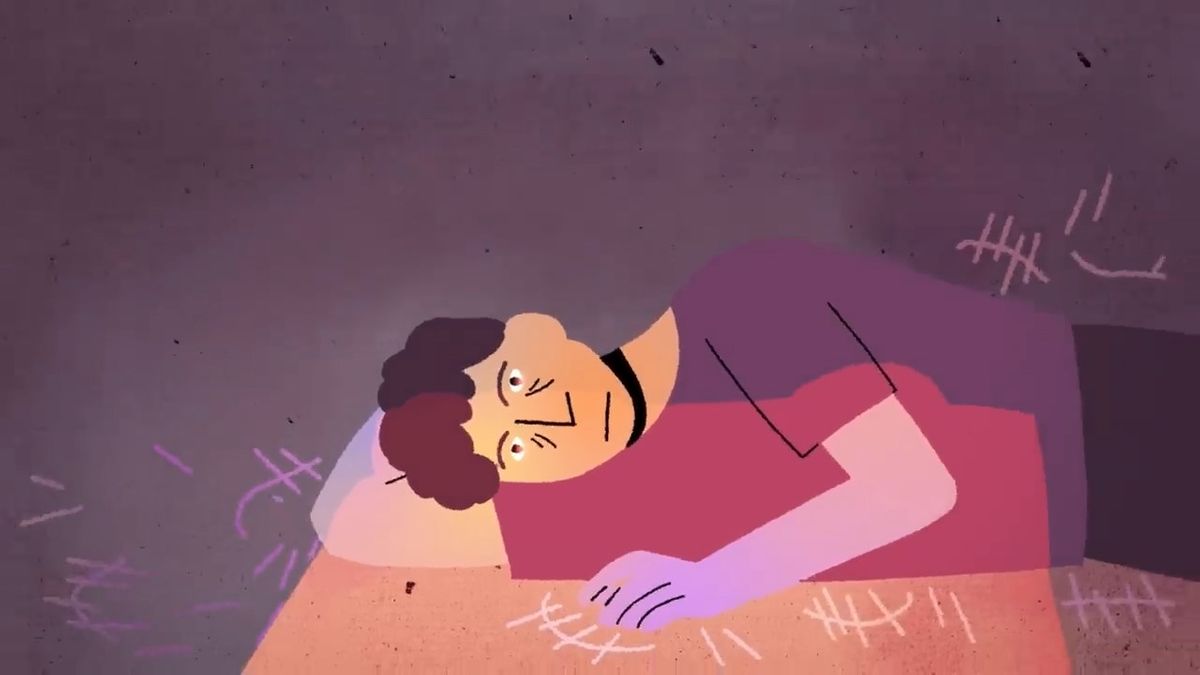
However, in reality, in many countries, many people are imprisoned in 'solitary confinement' in prisons and detention centers and endure this.
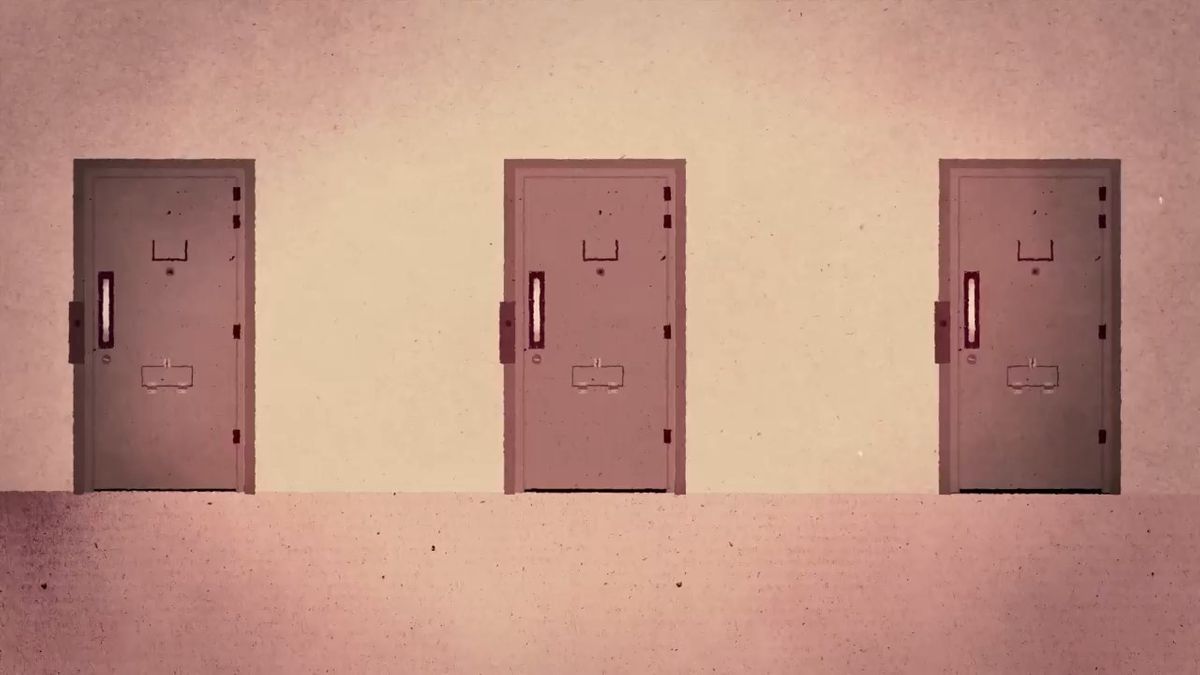
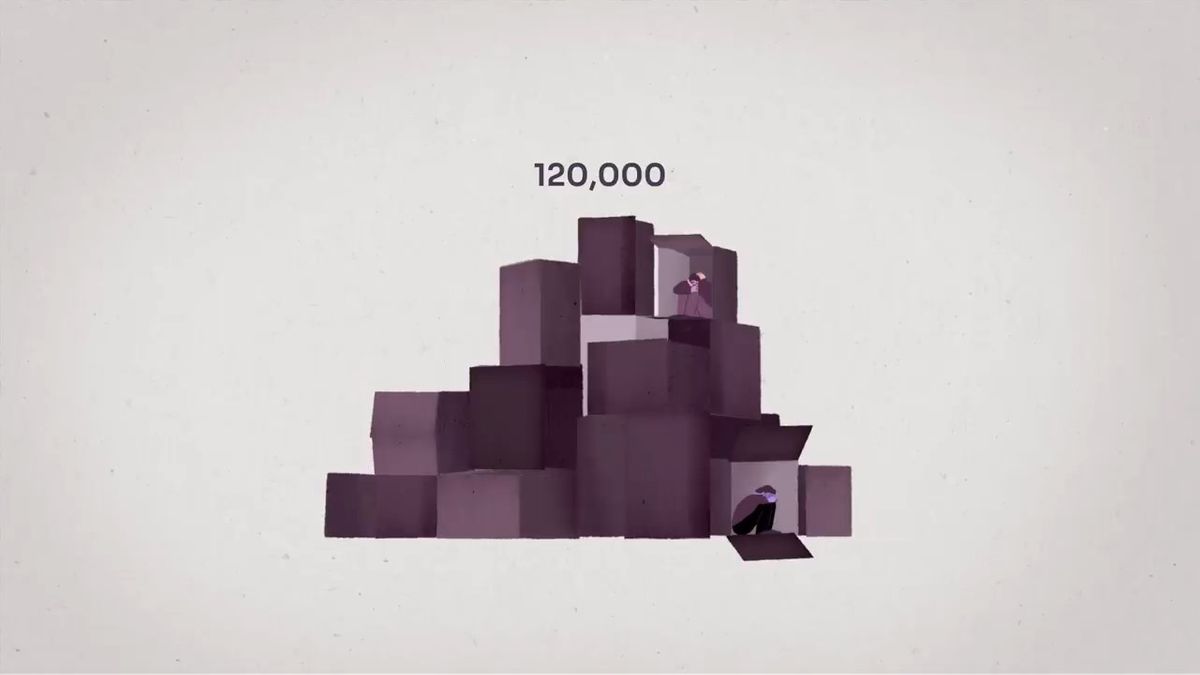
Solitary confinement is common in the United States, where in 2019 more than 120,000 prisoners spent 22 to 24 hours a day in windowless cells measuring just 2 meters by 3 meters.
Solitary confinement was introduced to American prisons by a group of
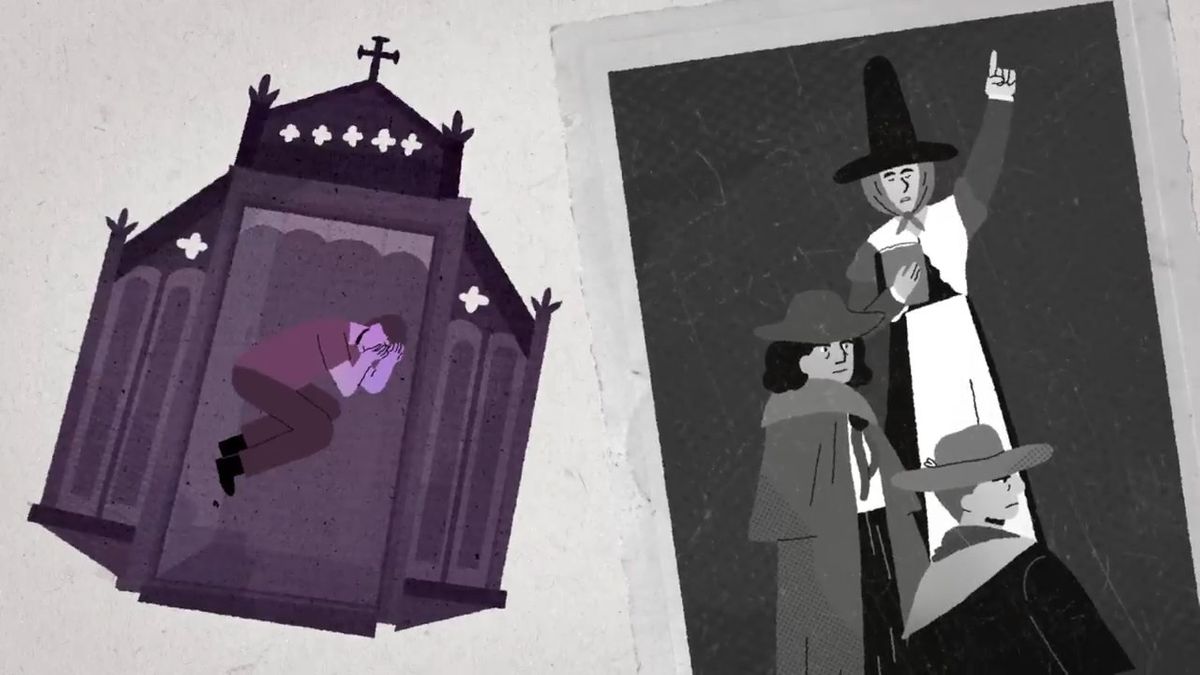
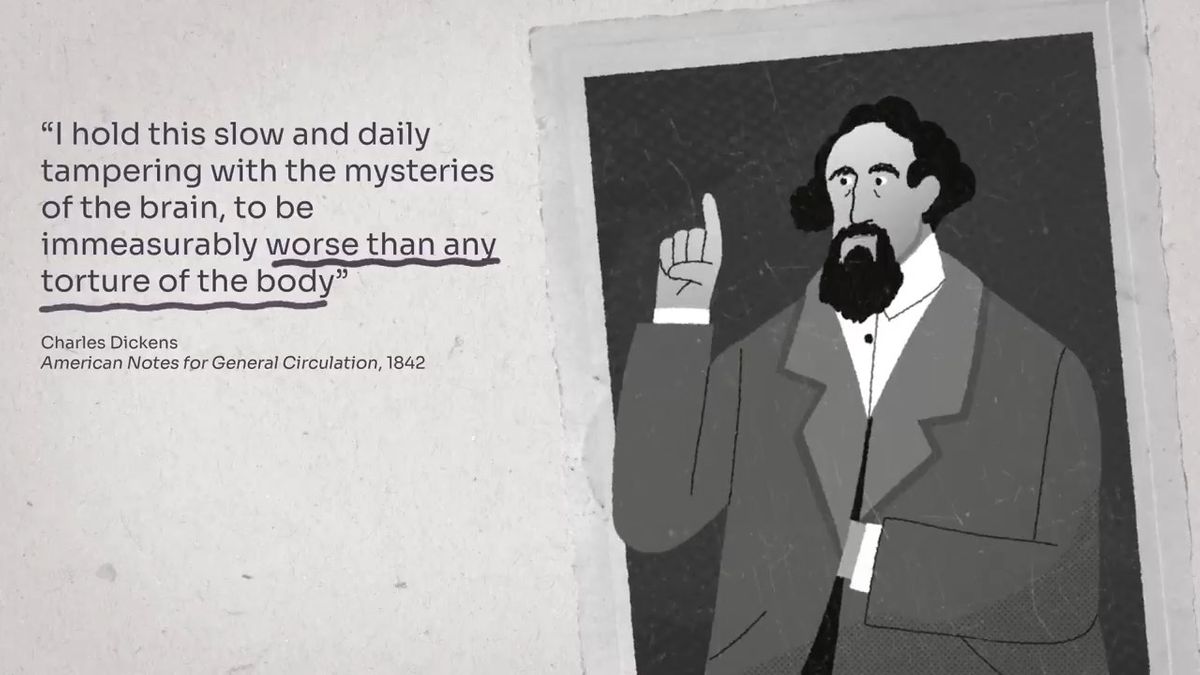
However, solitary confinement faced widespread criticism, including from the Supreme Court and prominent figures, such as author
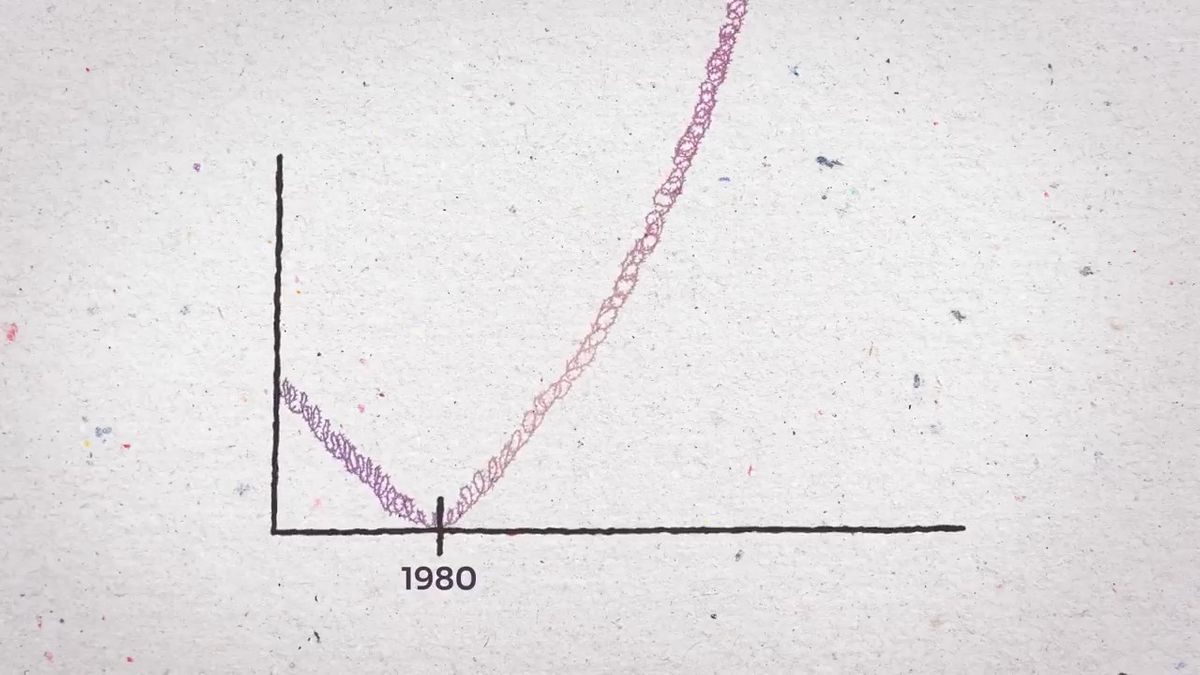
The use of solitary confinement declined in the 1980s, but the number of incarcerated people in American prisons has since skyrocketed as more punitive and stricter laws have been enacted.
As prisons became more crowded, protests and violent incidents within the prisons also increased, leading prison authorities to turn to solitary confinement to control inmates.
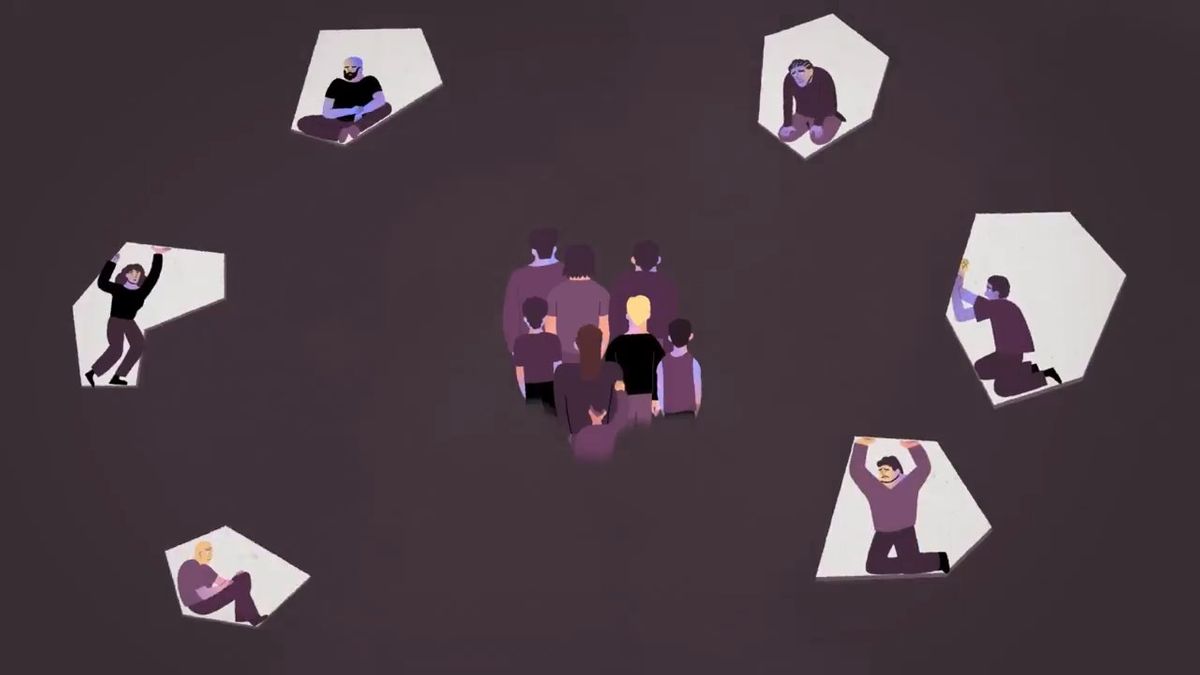
Many prisoners are placed in solitary confinement for minor, non-violent infractions, such as talking back to a prison guard.
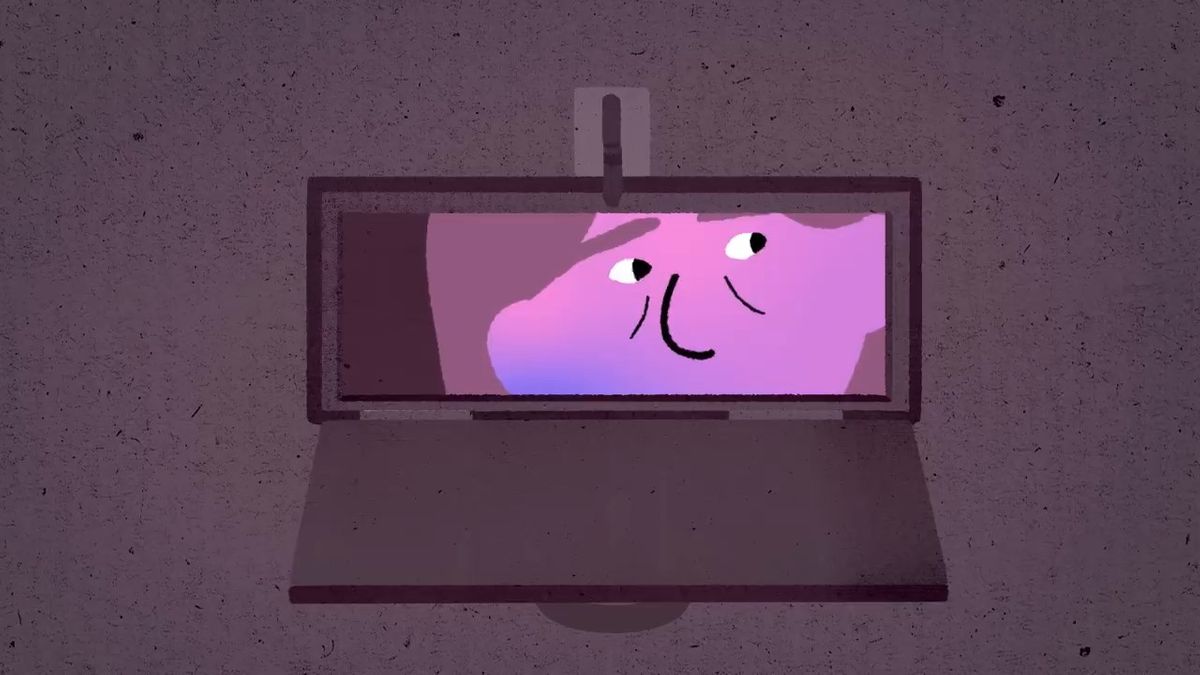
It is said that people who have pre-existing mental illnesses often find that their symptoms worsen when they are confined to solitary confinement.
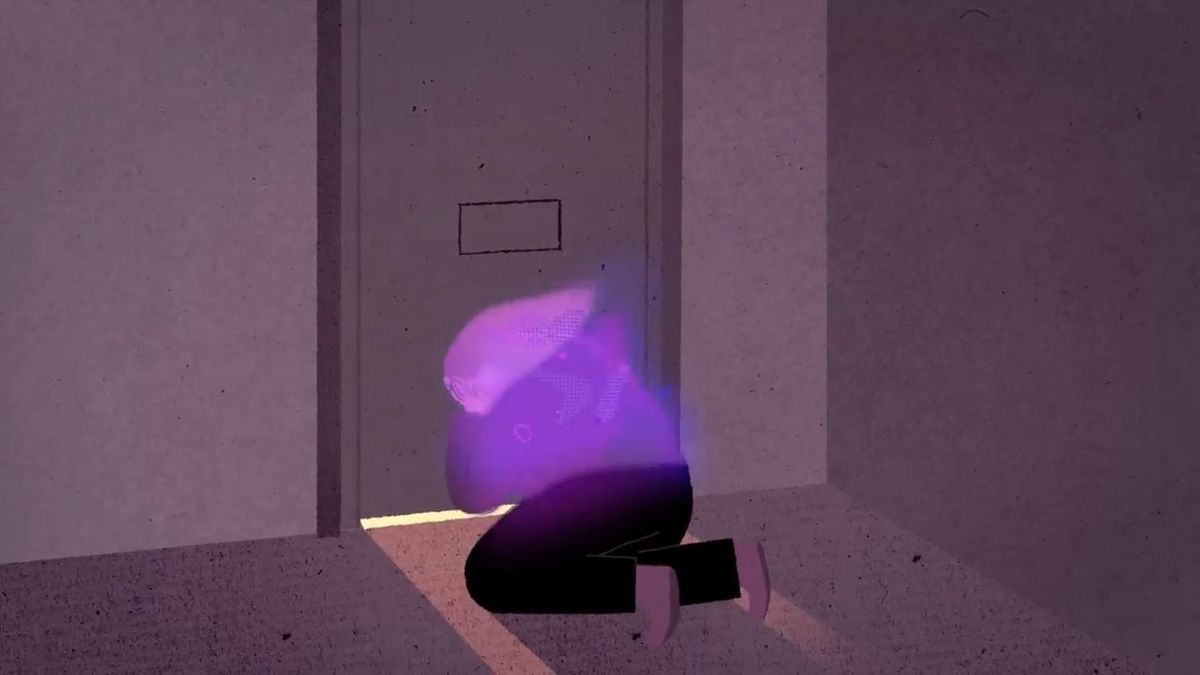
Additionally, people who have experienced solitary confinement are three times more likely to show signs of post-traumatic stress disorder (PTSD), as well as experience personality changes, increased anxiety and paranoia in common situations, and difficulty staying focused and connecting with others.
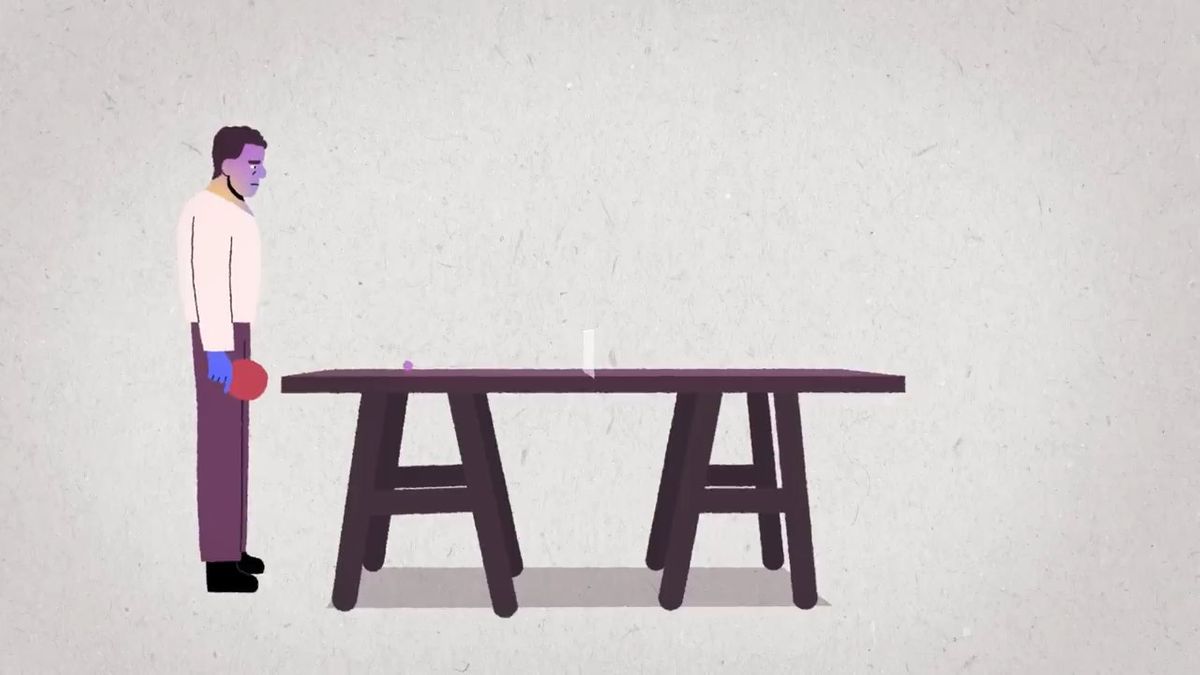
Some states prohibit solitary confinement for people with severe mental illnesses, children, and pregnant women, and some limit the length of solitary confinement to 15 to 20 days. However, these laws are not always followed, and prison authorities sometimes use loopholes to lock in inmates.
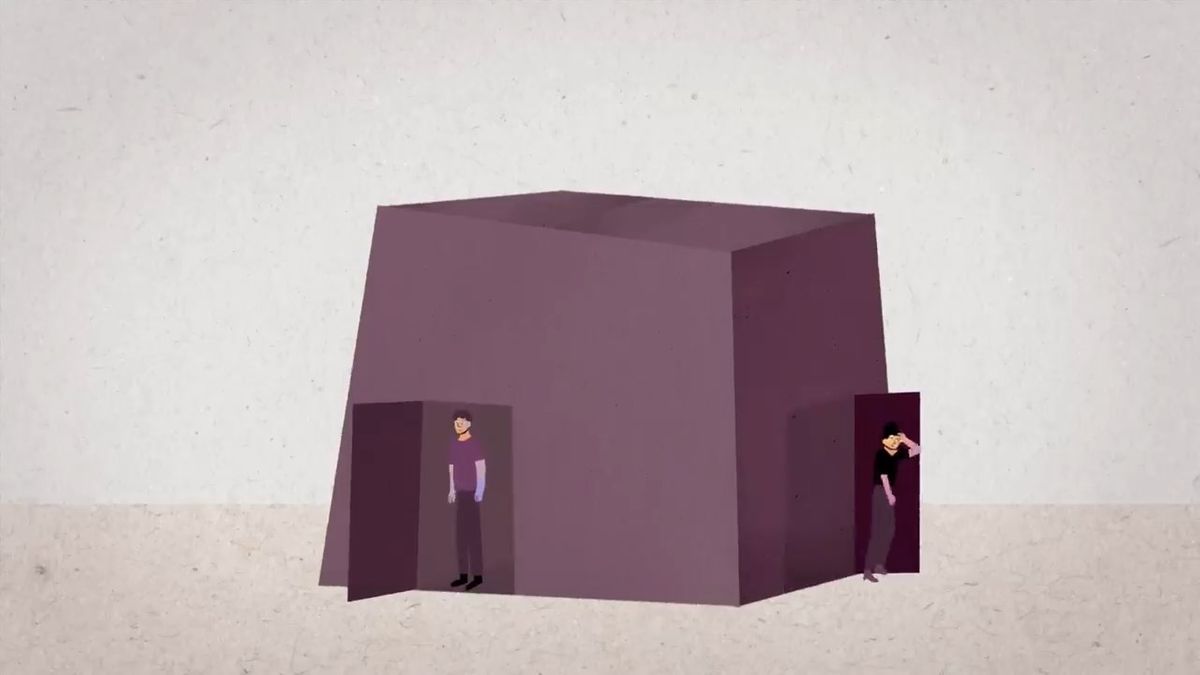
TED-Ed points out that solitary confinement not only fails to reduce violence in prisons, but also fails to rehabilitate prisoners.
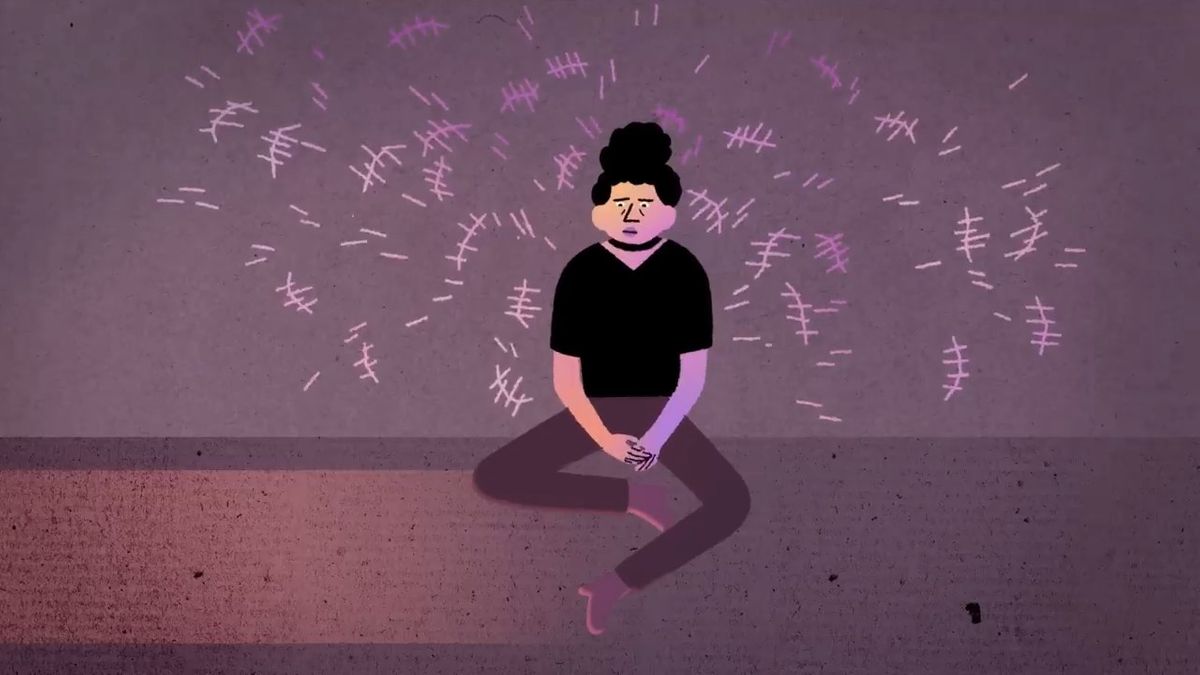
Some countries have achieved much better results without solitary confinement: Norway, for example, has a much smaller prison population per capita than the United States, and its prisons spend nearly five times as much per prisoner on education and work programs.
As a result, Norway has one of the lowest recidivism rates in the world, with very few people returning to prison after release.
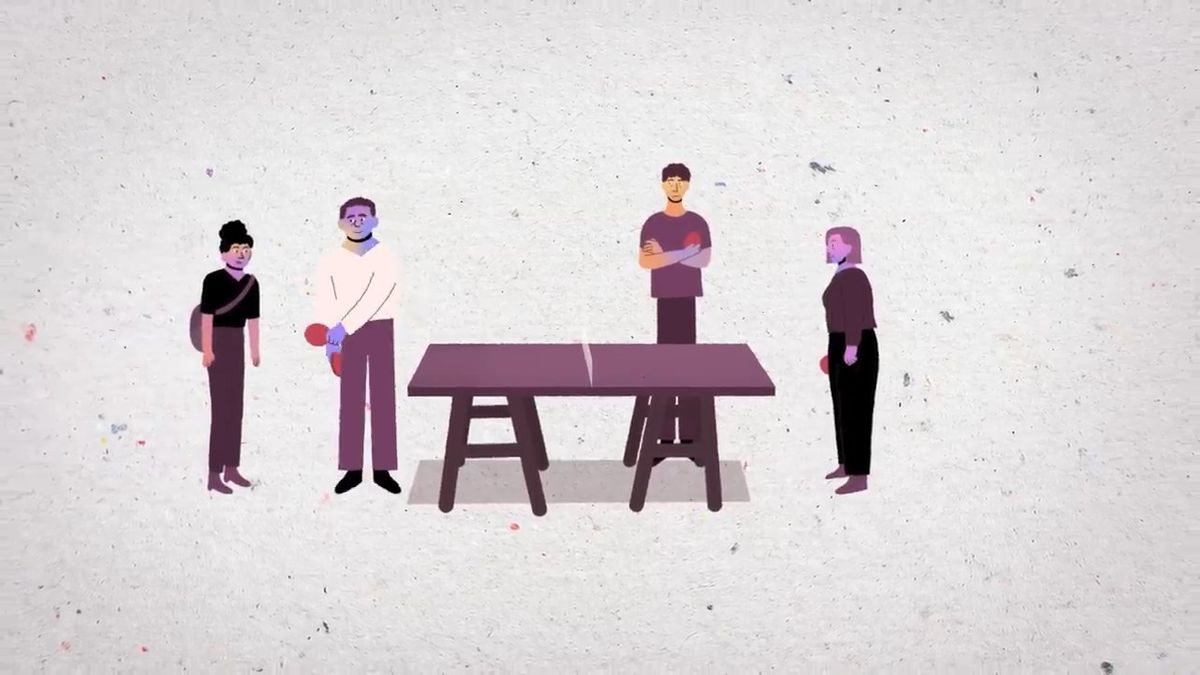
'This suggests that we do better when we're with other people,' TED-Ed said.
Related Posts: