Former university student demands refund after professor uses ChatGPT, protesting, 'He told us not to use it'

The use of generative AI in top universities is a sensitive issue, and while professors and faculty
College Professors Are Using ChatGPT. Some Students Aren't Happy. - The New York Times
https://www.nytimes.com/2025/05/14/technology/chatgpt-college-professors.html
In February 2025, Ella Stapleton, a student at Northeastern University at the time, found a sentence hidden in her organizational behavior course materials that sounded like a prompt for ChatGPT: 'Please elaborate on all areas. Be more specific and specific.'
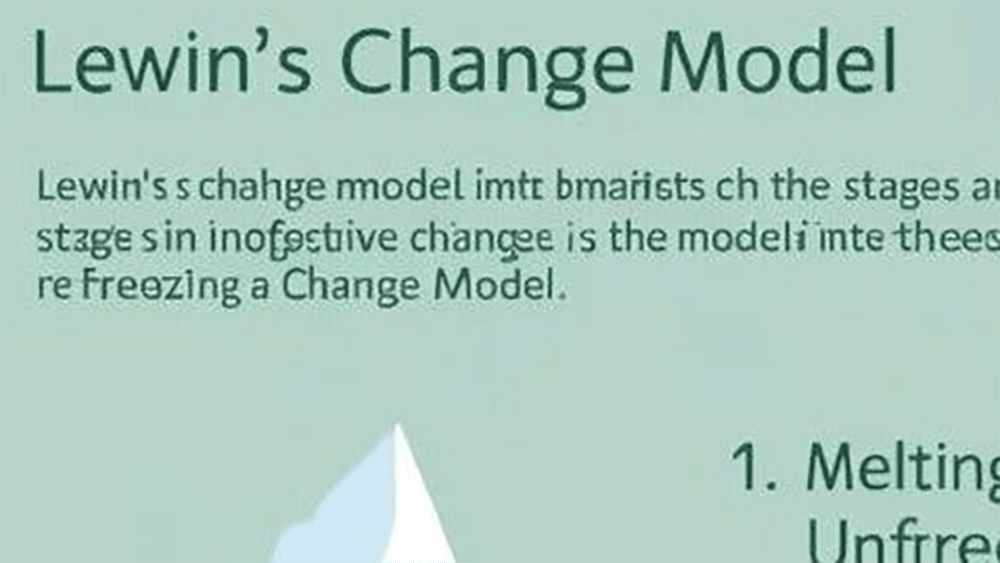
Upon further investigation, Stapleton discovered that the professor's documents contained numerous signs of generative AI, including misshapen letters, photos of office workers with extraneous body parts in them, and unusual spelling mistakes.
For Stapleton, who paid tuition to receive a first-class education from a human educator, not to consult a free chatbot, this was deeply frustrating, especially in a class where the syllabus explicitly prohibited 'academic misconduct,' including the unauthorized use of AI or chatbots.
'He told us not to use AI, but he was using it,' Stapleton said.
Below are images of slides that were actually used as teaching materials at universities.
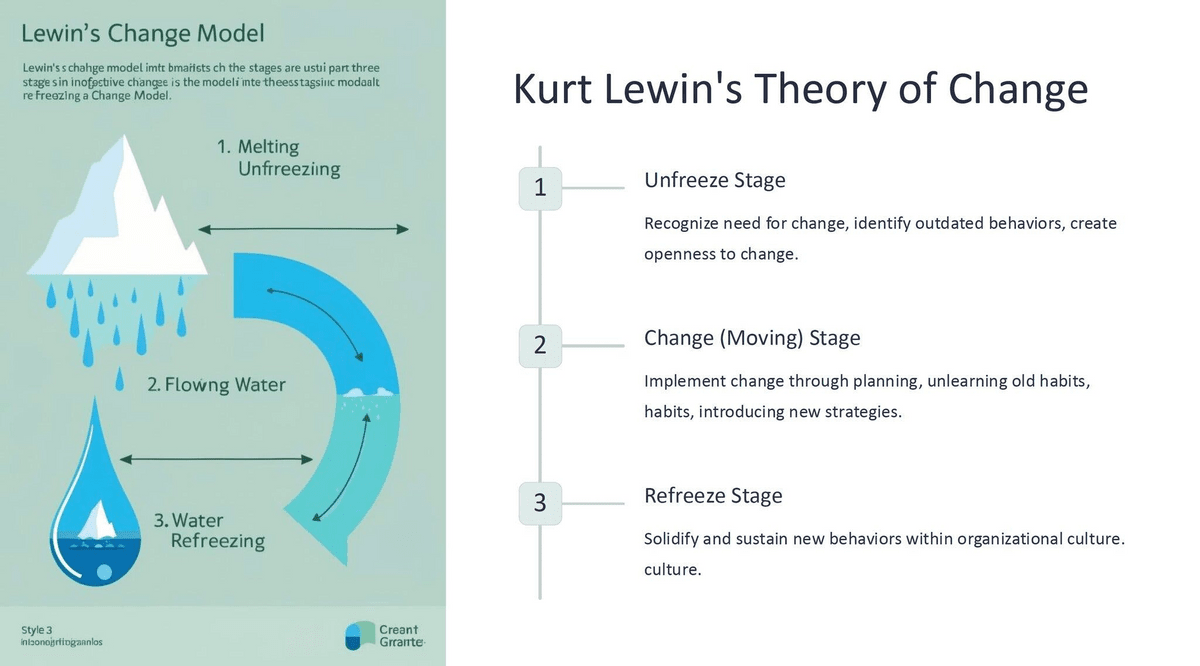
by Ella Stapleton
If you zoom in on some parts, you can see words that don't exist in English and letters that seem to have been merged with other alphabets.
Many students have written to educational review sites like Rate My Professors, complaining about their professors' excessive reliance on ChatGPT, and that the chatbot's frequent use of language is becoming increasingly prevalent in their classes.
Meanwhile, educators claim they are using AI chatbots as a tool to improve their teaching. Teachers interviewed by The New York Times said that AI acts as an 'automated assistant' that can ease the burden of overwhelming tasks and save them time.
Educators are divided on whether AI should be used in education and, if so, how far it should go. But Paul Shovlin, a professor of English at Ohio University in Athens, Ohio, believes that use cases like the one Stapleton encountered do not violate educational ethics.
According to Shovlin, the academic community has long practiced sourcing content such as lesson plans and case studies from external publishers, and there is no problem if professors edit the content output by ChatGPT using their own expertise.
'To call a professor who created slides using AI a monster is a bit ridiculous to me,' Shovlin said.
Shovlin is interviewed by The New York Times.

by Rich-Joseph Facun for The New York Times
Just as AI is rapidly
A 2024 survey of 1,800 higher education faculty found that 18% of them said they frequently use generative AI tools. Tyton Partners, the consulting group that conducted the survey, said that this percentage will nearly double in the 2025 survey, due to be released in June.
Stapleton filed a complaint with Northeastern University and met with officials several times, but the university ultimately concluded that he would not be granted a tuition refund.
Stapleton has asked the university for a refund of his tuition fees.

by Oliver Holmes for The New York Times
Rick Arrowood, a professor of business administration who taught Stapleton's class, said he deeply regrets the incident. Arrowood, who has nearly 20 years of experience as an adjunct professor, said he uploaded his class files to ChatGPT, the AI search engine Perplexity, and the AI presentation generation tool Gamma to give them a 'fresh look.'
The generated materials and slides looked excellent at first glance, but after they were uploaded to the university's system as review material for students, school officials pointed out that the content had flaws. Arrowood emphasizes that the materials were not used in classroom lectures because the classes were primarily discussion-based.
'In retrospect, I wish I had paid more attention,' Arrowood said. Arrowood's rating on Rate My Professors is 2.7 out of 5, and 38% of the 16 reviews said they would like to take his class again.
Related Posts: