Gifted elementary school students discover through experiments that even NASA didn't realize 'the phenomenon that a cure for anaphylactic shock becomes toxic in space'

An experiment designed by
Useless in space? uOttawa helps elementary students make startling discovery about EpiPens | About us
https://www.uottawa.ca/about-us/media/news/useless-space-uottawa-helps-elementary-students-make-startling-discovery-about-epipens
EpiPens don't work in space? NASA didn't know — but Canadian students did | Globalnews.ca
https://globalnews.ca/news/9503732/epipens-dont-work-in-space-canadian-students/
Elementary schoolers prove EpiPens become toxic in space — something NASA never knew | Live Science
https://www.livescience.com/elementary-schoolers-prove-epipens-become-fatally-toxic-in-space-something-nasa-never-knew
Anaphylactic shock is a severe allergic reaction that occurs after ingesting an allergic food or being bitten by an insect. Upon contact with an allergen, histamine and other mediators are released from mast cells, causing short-term respiratory distress due to tracheal constriction and leakage of fluid from the bloodstream into tissues, which can sometimes lead to death.
EpiPen is an injectable drug used as a specific treatment for anaphylactic shock. The adrenaline (epinephrine) contained in the drug blocks the release of causative substances from mast cells, thereby quickly improving symptoms.
Children aged 9 to 12 participating in the 'Program for Gifted Learners' at St. Brother Andre Elementary School in Canada wondered, 'Will EpiPens work in space?' They designed an experiment to examine changes in molecular structure by sending an EpiPen into space and applied to Cubes in Space , a NASA international project that brings science experiment ideas designed by children aged 11 to 18 to reality.
Cubes in Space was created based on an experiment idea submitted by children from St. Brother Andre Elementary School, and involved launching cubes filled with EpiPen solution and adrenaline solution into space. The video below includes interviews with the children from St. Brother Andre Elementary School and explains the results of the experiment.
'NASA didn't know': Ottawa elementary school students make breakthrough discovery with an EpiPen - YouTube
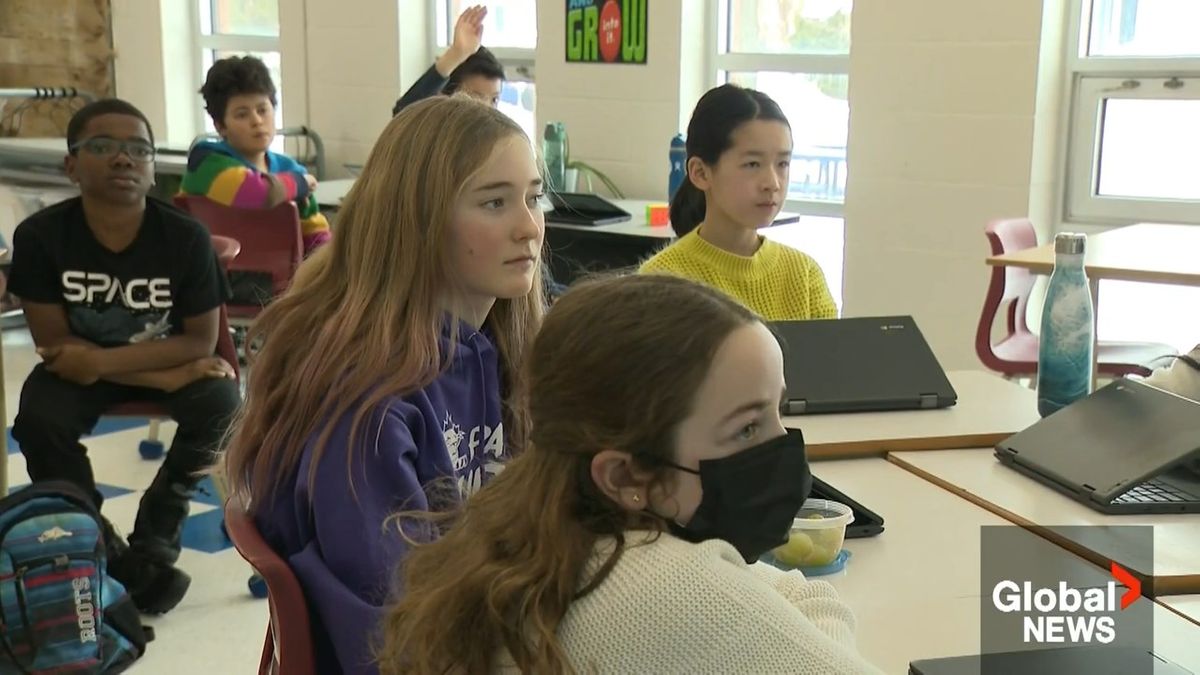
Elementary school students listened intently to their teacher. All of the students are gifted and are taking a special education program. They designed this scientific experiment involving EpiPens.
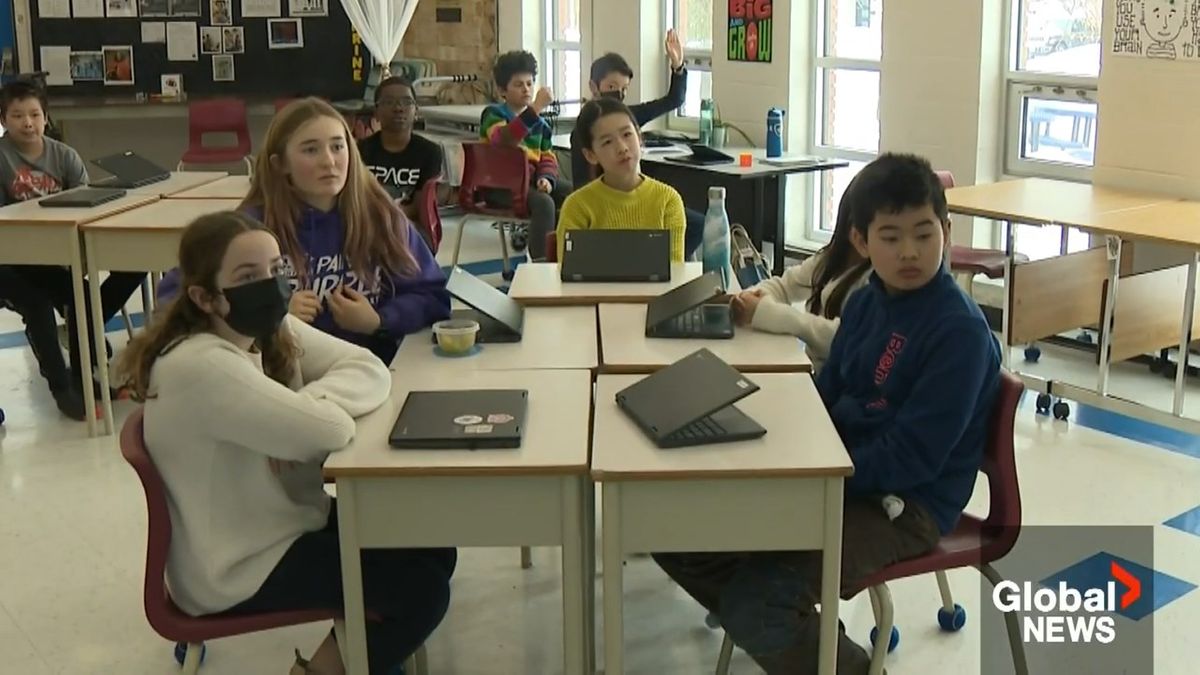
EpiPens are available in elementary schools across the country as a cure for anaphylactic shock, but the children wondered whether the EpiPen would work in space. The adrenaline and EpiPen solution was placed in this small cube and sent to space on a rocket and a high-altitude balloon before returning to Earth.
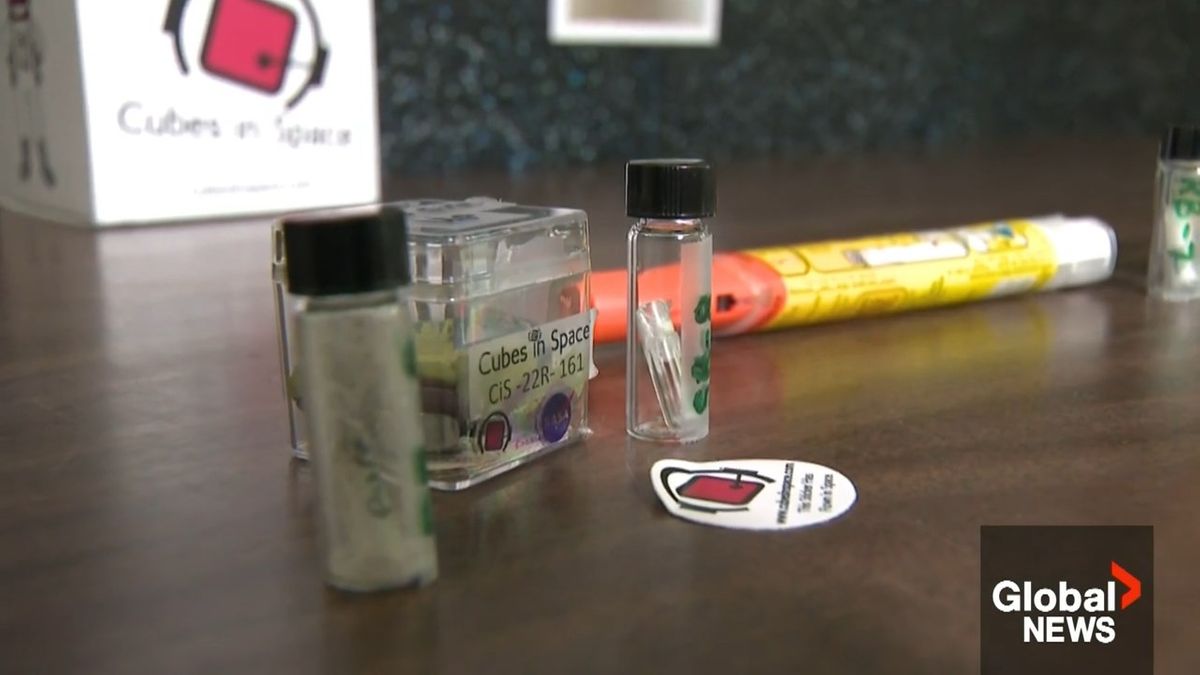
'As part of Cubes in Space, two cubes were assembled by students. One was placed on a rocket and the other on a high-altitude balloon. We performed

'The first part of science is asking the right questions, and these kids asked great questions,' Mayer said.
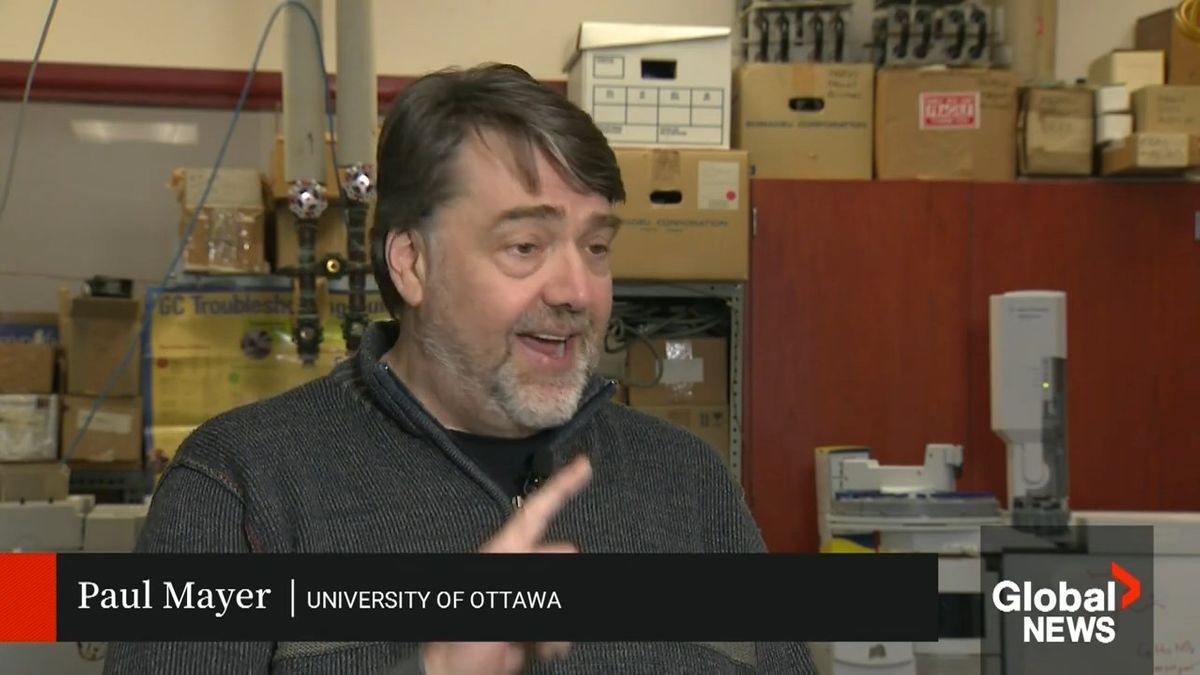
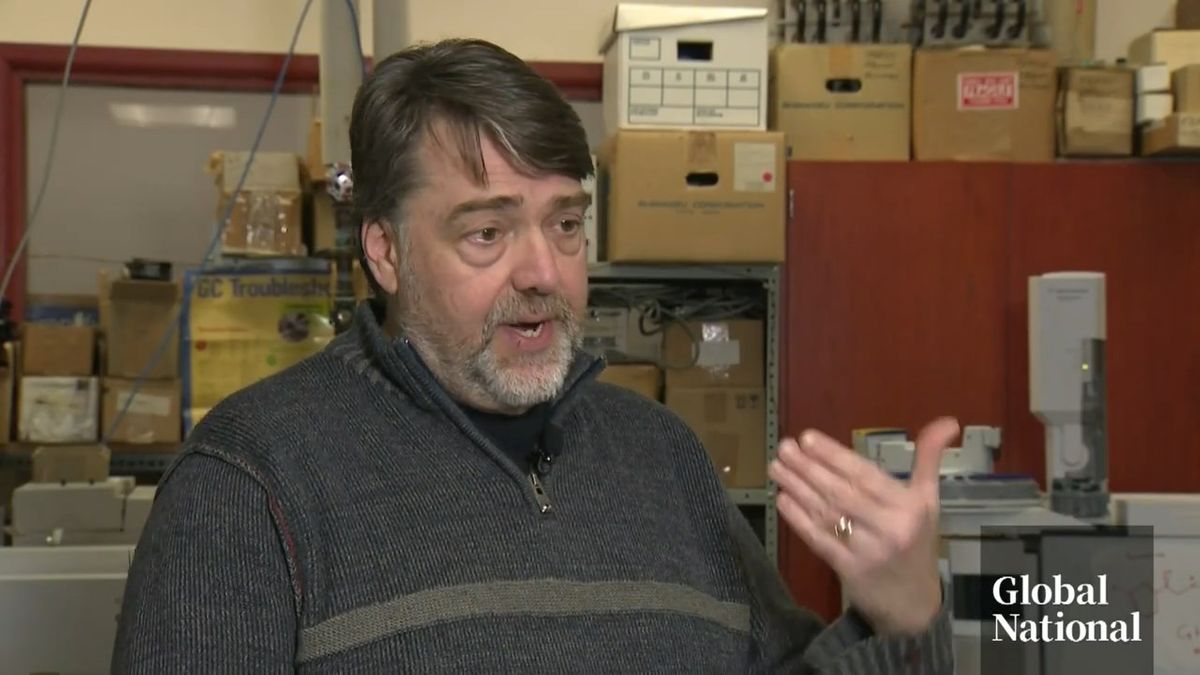
This is the gas chromatograph mass spectrometer used for the analysis. The analysis revealed that the purity of the adrenaline sent into space was reduced to 87%, with the remaining 13% converted into a toxic benzoic acid derivative . Benzoic acid is found in cranberries and cinnamon, and is also used as a food preservative, but is known to be harmful to the human body if ingested in high doses.

The change in adrenaline is thought to be due to interactions with cosmic rays, and Mayer commented, 'These results call into question the effectiveness of EpiPens in space.'
'It's really cool that an elementary school student discovered something that scientists haven't discovered in years of research,' said Antonio Lucifero, an elementary school student who participated in an interview.

Based on these results, the children are working on designing a capsule to protect the EpiPen solution in space, and are scheduled to visit NASA's
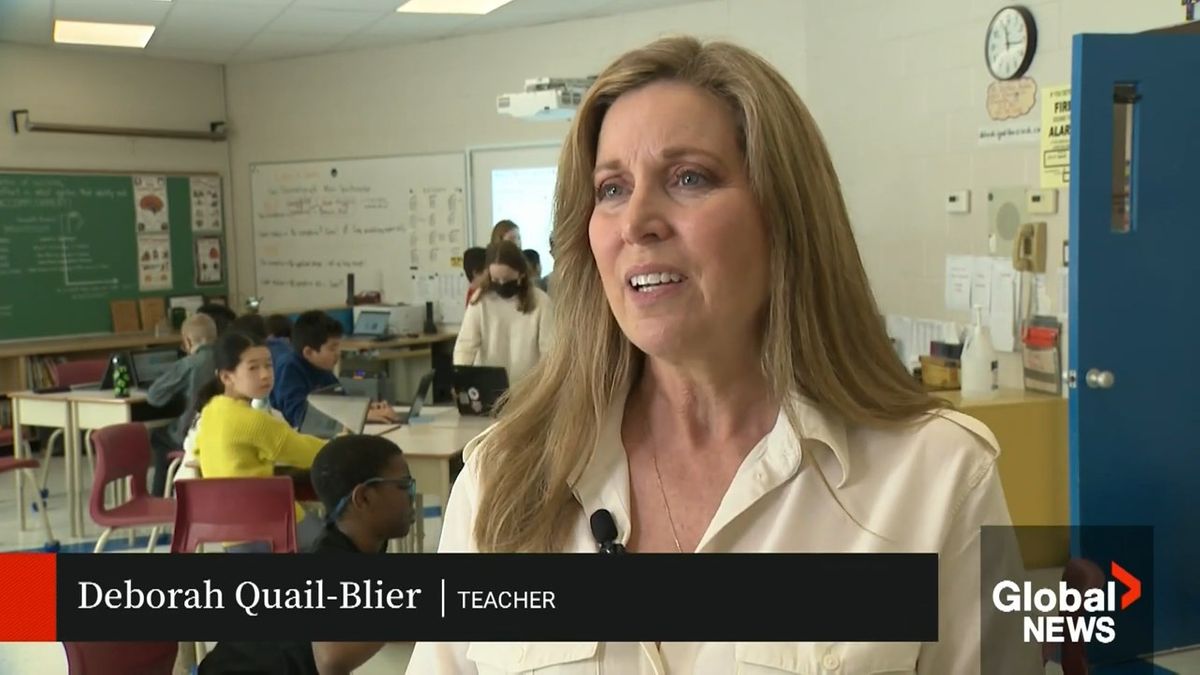
'We were all amazed and excited,' said Deborah Quail-Blier, a teacher in the gifted learners program. 'The students are so forward-thinking. They're already looking at people going to the moon and beyond and colonizing Mars.'
'Kids are natural scientists. They're curious and they ask questions. We adults just need to make it easy for them to participate in the scientific process and then get out of the way and let them explore and learn,' Mayer said.
Related Posts: